
Last updated November 14, 2026
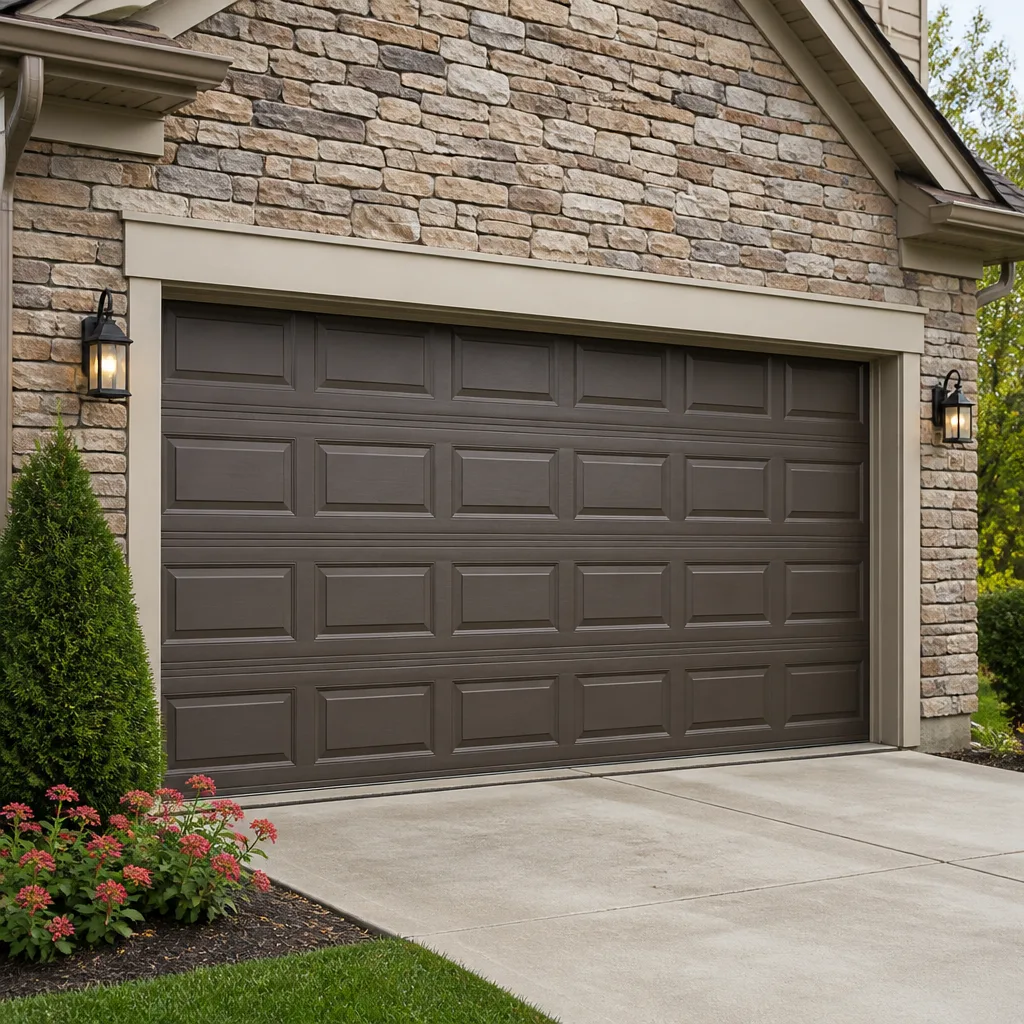 Raised-panel steel
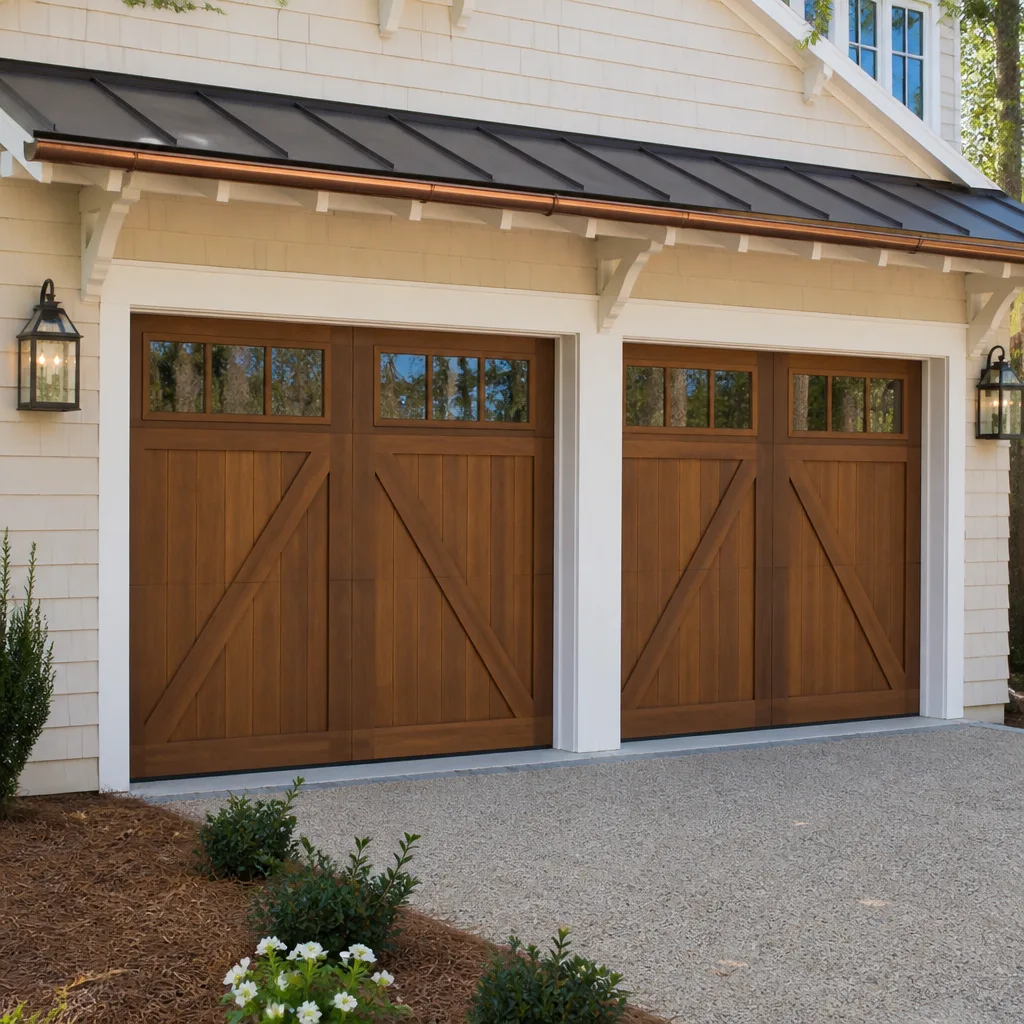 Carriage house
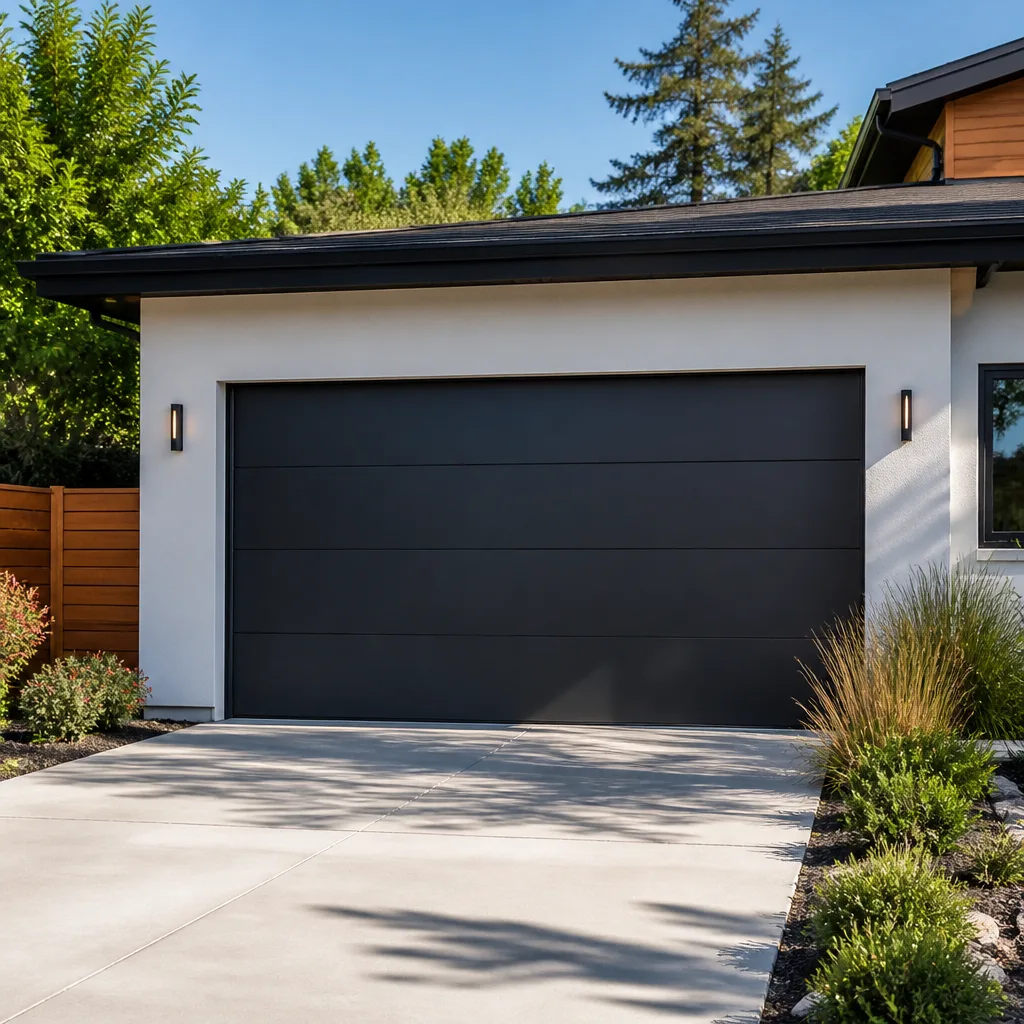 Modern flush
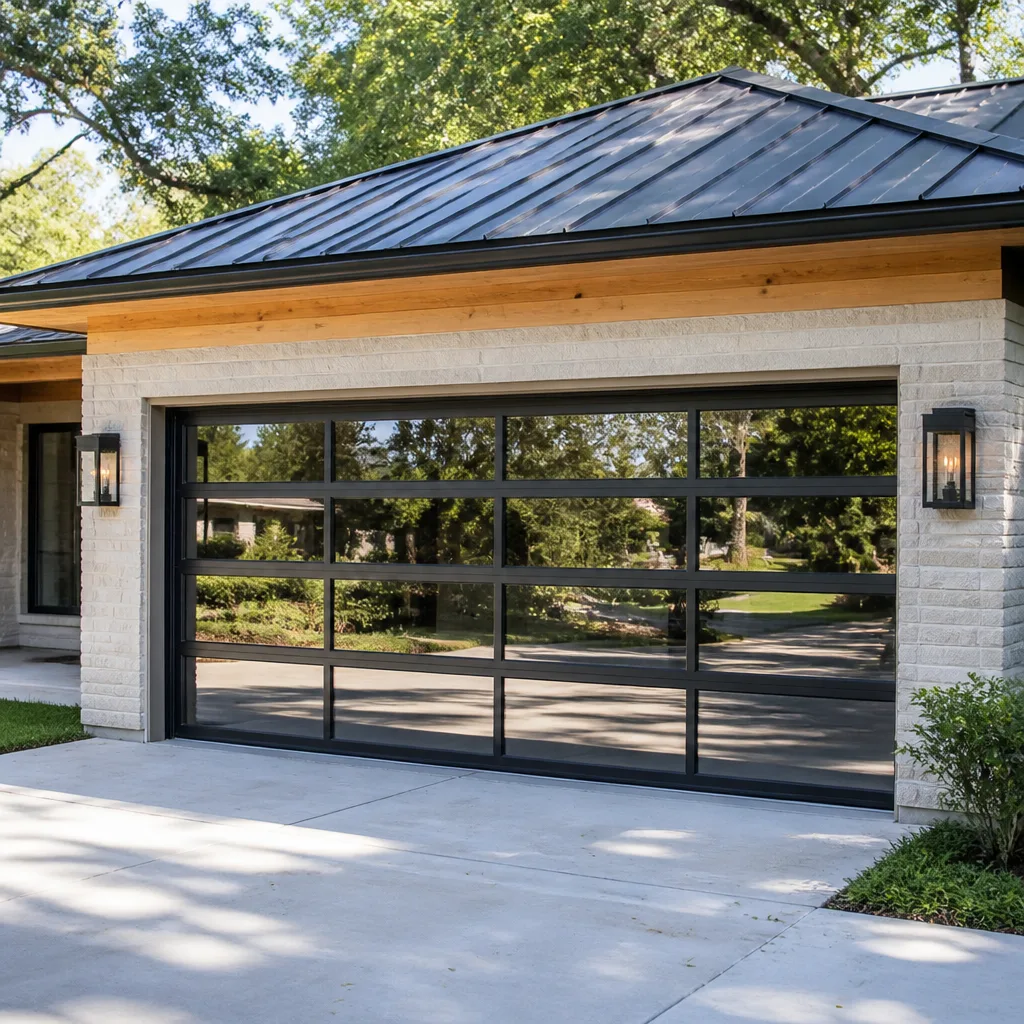 Full-view glass
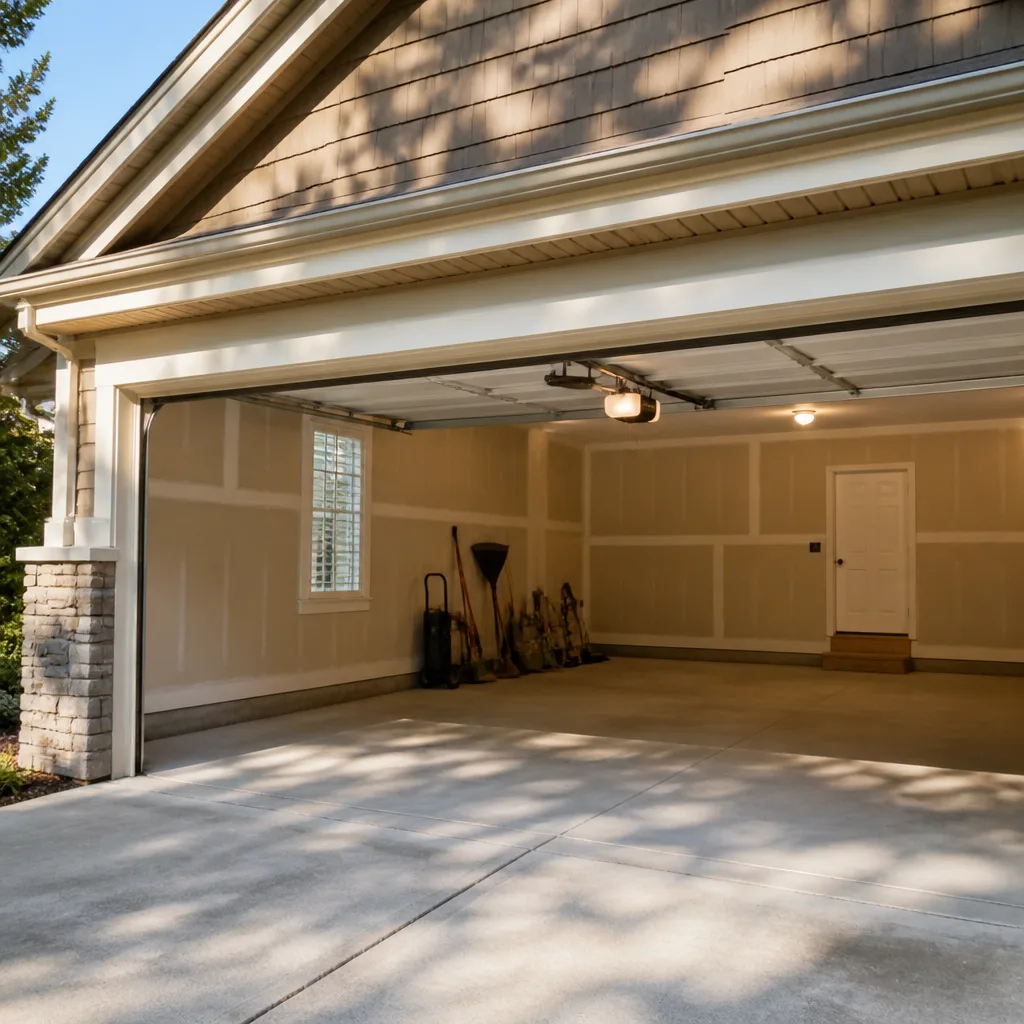 LiftMaster openers
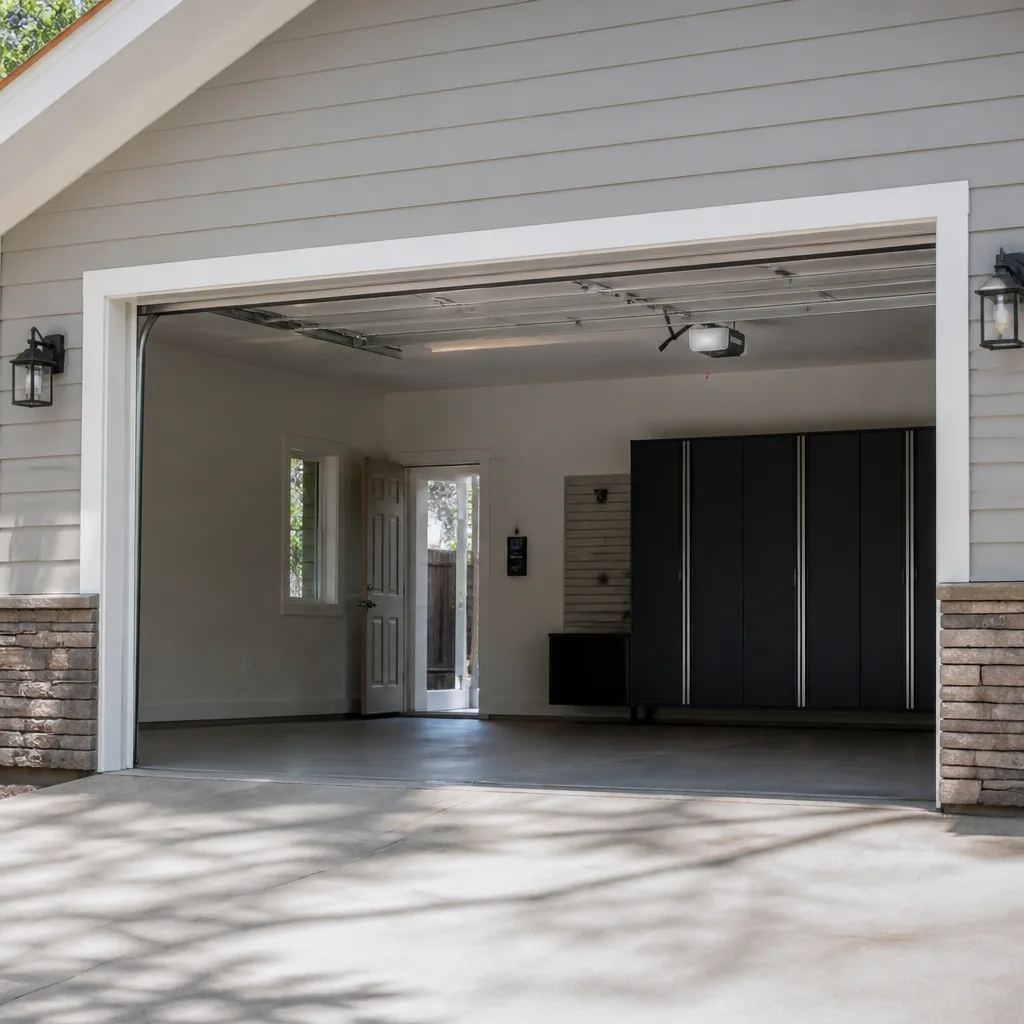 Chamberlain openers
Full 25-point door and opener safety check with every visit - springs, cables, rollers, tracks, and your LiftMaster or Chamberlain opener included
You get a price before we start. It does not change when the truck arrives.
Get your free estimateGarage Door Cost Breakdown: The Washington Homeowner’s Reference for 2026
Here’s the thing about a garage door quote in Washington: the lowest number on the page is often the least complete one. A bid that comes in several hundred dollars under another might be honest savings, or it might be a bidder who forgot the permit, ignored the haul-away cost of your old door, or never bothered to walk the alley. You can’t tell which by looking at the totals side by side. This guide breaks down what actually drives garage door pricing in Washington in 2026, component by component and variable by variable, so you can read a quote and know what’s in it before you sign.
Quick Answer
Garage door work in Washington is priced above the national averages because of the city’s labor costs, the number of alley-access installations that need special handling, and the compliance work required in historic districts. Typical jobs range from a spring repair at the low end to a full insulated door replacement at the high end, and the only number that means anything is the written estimate for your specific door. Read on to see why that range is as wide as it is.
Styles & brands we work with
- Raised-panel steel
- Carriage house
- Modern flush
- Full-view glass
- LiftMaster openers
- Chamberlain openers
Table of Contents
- What Drives Garage Door Cost in Washington
- The Alley-Access Factor: Why Your Installation Costs More
- Historic District Compliance and What It Adds
- Parts Cost Breakdown by Component
- What a Fair Warranty Structure Looks Like
- How to Read a Washington Garage Door Quote
- Common Mistakes to Avoid
What Drives Garage Door Cost in Washington
Washington is a high-cost labor market, and garage door work is labor-heavy. A typical installation is a two-person job that takes most of a day, sometimes more when the door has to be carried in by hand. Wages for skilled trades in the District run well above what the same work pays in many suburban counties in Maryland or Virginia, and that gap passes directly into what you pay. Homeowners comparing their quote to a friend’s in the suburbs should expect the DC number to sit higher for the same door.
Beyond labor, several cost layers stack on top of each other in Washington:
- Equipment access. Many properties don’t offer a straight shot from truck to garage. That adds time and, in some cases, additional labor.
- Permits and inspection. Most cities require a permit for structural or electrical changes involved in garage door work. Ask the District’s building department what applies to your address.
- Disposal. An old door and its tracks have to be hauled to a facility that accepts them. That’s a real cost, not a rounding error.
- Material selection. Steel, wood-look steel, and full wood composite doors land at very different price points, and so does insulation.
When a quote omits any of these, the missing cost doesn’t disappear. It either comes back as a change order mid-job or it gets baked into a deal that will disappoint you later.
The Alley-Access Factor: Why Your Installation Costs More
If you’ve ever watched a contractor try to back a truck down a narrow alley with no turn-around, you understand why this matters. The District has a large share of homes whose garages open onto an alley rather than a street or a driveway, and those installations take longer, cost more, and require a crew that plans for them.
Here’s what actually adds to the bill on an alley job:
- Restricted equipment access. When a truck can’t reach the door, panels, tracks, and springs get carried in. Carrying one door’s worth of steel through a tight alley is slow, and slow is labor.
- Hand-carry surcharges. Many contractors price a modest extra charge for hand-carry labor on difficult-access jobs, and they should tell you up front whether that applies.
- Longer labor time. What takes six hours on a driveway often takes eight or nine on an alley job, especially where parking is limited and the crew must work in stages.
- Protection of site and neighbors. Working next to a neighbor’s fence or parked cars takes care and time. A reputable crew accounts for both.
Alley jobs are common enough here that a quote that doesn’t ask about access is a quote that hasn’t thought your job through. If you want a crew that has already walked this terrain, our Washington team can tell you exactly how access will shape your estimate.
Historic District Compliance and What It Adds
Washington has a lot of houses in designated historic districts, and a garage door on one of them isn’t just a garage door. It’s an element of a regulated facade. When the historic preservation office reviews a replacement, it evaluates the door’s material, profile, panel design, and how the installation is documented. That process adds cost in three places.
- Materials. Approved material types and panel profiles often mean a step up from whatever the cheapest stocked door is. That’s a real cost, though it also buys a door that fits the house.
- Restricted profiles. Some modern panel designs are simply not going to pass a preservation review on a period facade. The choice of acceptable door narrows, and sometimes the price does too. Sometimes it doesn’t.
- Documentation. Contractors preparing a submittal for review are doing genuine work, photodocumenting the existing door, drafting the details, and preparing the paperwork. That time appears in the estimate.
We’ve learned to ask “is this address in a historic district?” before pricing anything, because the answer changes the whole job. If you’re unsure, your best first call is to the District’s historic preservation office. They can tell you whether your address falls inside a district and what kind of review your replacement will need. Our garage door installation team will price in the compliance work rather than leaving you to discover it.
Parts Cost Breakdown by Component
Understanding what the parts cost helps you spot a quote that’s inflated on parts or padded on labor. Below is a component-by-component breakdown of what each part of a garage door system typically costs to repair or replace, and why the range is wide. Prices vary with size, insulation, and the specific door you own.
- Springs. A torsion or extension spring repair is one of the more affordable fixes. A single spring usually runs a modest amount, and a matched pair costs roughly double since they’re typically replaced together. Never accept a quote for one spring on a two-spring door without a conversation about why.
- Openers. Opener replacement is mid-range. The spread is mostly determined by brand (LiftMaster and Chamberlain units run higher than basic Craftsman or Genie models), by whether the unit is Wi-Fi and smart-home compatible, and by how much wiring and track work the job needs.
- Cables. Cables are typically inexpensive to replace, since they’re small parts. The labor is what you’re paying for, and on a worn system the cables should often be replaced as a set.
- Panels. Individual panel replacement is often cheaper than a full door. If only one section is dented, ask whether it can be swapped rather than replacing the whole door. On older or unusual doors, matching a panel is the real constraint.
- Weatherstripping. Bottom seals and perimeter seals are among the lowest-cost repairs and one of the best returns on keeping a garage dry.
Parts bought through a distributor in Washington carry their own pricing, and that trickles down. When a quote on a small repair looks high, ask whether it includes a parts markup and how much. That single question resolves a lot of confusion.
What a Fair Warranty Structure Looks Like
A warranty is part of the price, whether or not it shows up on the line items. A quote that includes real labor coverage on the work is generally a better deal than one that doesn’t, even when the second one is cheaper on paper. The difference only shows up if something fails.
A straightforward, honest warranty structure usually includes:
- A manufacturer warranty on new parts, which is separate from the installer’s labor warranty.
- A stated labor warranty on the installation or repair, in clear words rather than “satisfaction guaranteed.”
- A written explanation of what voids the warranty, usually improper use or unauthorized service.
- Word-for-word clarity on whether the warranty transfers if the house is sold.
What “budget” quotes tend to leave out is precisely the parts of the job that are invisible on the invoice: proper disposal, permit assistance, and warranty coverage. That’s where the money saved actually hides. Have your contractor show you their warranty terms in writing before you sign.
How to Read a Washington Garage Door Quote
A quote should answer more questions than “how much.” The ones that matter most are the ones whose absence costs you later. Read every estimate against this checklist:
- Is labor itemized? A lump-sum labor number can hide the alley-access and hand-carry work.
- Is the door size, model, and manufacturer named? Vague specs are the most common cause of a door that doesn’t match the house.
- Is disposal included? Ask who’s hauling the old door and whether the quote covers it.
- Is the permit mentioned? Ask your city’s building department what applies, and confirm who pulls it.
- Is the warranty stated? Labor and manufacturer separately, in writing.
- Is the price firm? The written estimate is the price. Anything else is a conversation, and the conversation should happen before work starts, not after.
If a quote can’t answer all six, put it down and call someone else. And when you’re comparing bidders, compare the same scope. A cheaper quote that excludes disposal and permit work isn’t cheaper.
Why Washington Installations Cost More Than Suburban Jobs
Homeowners often get sticker shock comparing their Washington quote to a friend’s in Arlington or Montgomery County. The gap isn’t invented. It’s the sum of three structural differences:
- Urban labor costs. Skilled trade wages in the District run higher than in most surrounding jurisdictions. That base rate applies to every hour of the job.
- Access complexity. The alley-access factor alone can add meaningful time and hand-carry labor to a job that would run straight down a driveway in the suburbs.
- Compliance burden. Historic review, permitting, and documentation happen more often in the District than they do in most neighboring communities.
When people compare numbers across the river, they’re often not comparing the same job. A modest premium over a comparable suburban job is normal here, not a red flag. What you should worry about is a suburban-level price that quietly excludes the DC-specific costs. That’s where things go wrong mid-job.
Should You Repair or Replace? A Decision Guide
The repair-or-replace question comes up on nearly every estimate, and the honest answer depends on your door. Here’s how we think about it, rather than pushing toward a replacement.
- Is the door itself structurally sound? Panel damage or a snapped section often justifies replacement. A stuck or worn door with good structure usually doesn’t.
- What’s the age of the springs and opener? If both are near end of life, a replacement door with a new opener can make better economic sense than chasing one more repair on each.
- Is the style limiting you? If the door never matched the house, a replacement is a chance to fix the material, profile, and insulation at once. If it does match, repair-first usually wins.
- Is insulation a real concern? An attached garage over a living space usually justifies an insulated door. A detached garage doesn’t always.
If you’re not sure, ask for the repair price and the replacement price in the same estimate, then compare them honestly. We’re brand-agnostic on purpose. The right answer depends on the door and opener already in your garage, not on what we’d like to sell.
How Opener Choice Affects the Total Cost
The opener is one line on the invoice but a big range in price. A basic belt-drive unit from Craftsman or Genie will run far less than a Chamberlain with smart-home integration or a LiftMaster with a built-in camera. On a legacy Raynor or older Craftsman system, the challenge is often matching parts rather than selling up.
What you should know before choosing:
- Smart-home compatibility. Both LiftMaster and Chamberlain (myQ) are current and well-supported. Older Craftsman and Genie units may not connect to your home network without extra parts.
- Lift and clearances. Your door’s weight and track configuration determine which openers fit. A technician should measure before quoting.
- Noise. Belt-drive is quieter than chain-drive. On a house with a bedroom over the garage, belt is often worth the small price difference.
- Wiring and power. Usually the opener can use the existing power. If not, expect an electrical charge and, in most cases, a permit. Ask the building department.
Factory familiarity actually saves money here. When we show up already knowing the quirks of the unit you own, the diagnosis is faster and the part is usually correct the first time. That’s why we specialize in garage door opener repair and replacement across the major residential brands rather than spreading thin across trades.
Common Mistakes to Avoid
- Comparing totals without comparing scope. Two quotes with different inclusions aren’t apples to apples. Ask for the line items that separate them.
- Assuming a low bid is honest savings. It might be. Or it might be a bidder who didn’t ask about alley access or historic district status. Walk through the checklist above and you’ll know which.
- Skipping the permit question. Most cities require a permit for some garage door work. The rules are specific to where you live, so ask the District’s building department rather than trusting a neighbor’s story.
- Replacing only one spring. A matched pair is normally replaced together, because a matched set at different ages will fail sooner. A quote on a single spring on a two-spring door should raise a question.
- Choosing a contractor who doesn’t know your brand. A Craftsman system and a LiftMaster system fail differently. A generalist will spend your time and money figuring it out.
- Ignoring disposal cost. An old door is bulky and awkward to move. If the price doesn’t mention it, ask.
- Trusting a warranty you haven’t read. “Satisfaction guaranteed” isn’t a labor warranty. Get it in writing.
See the difference
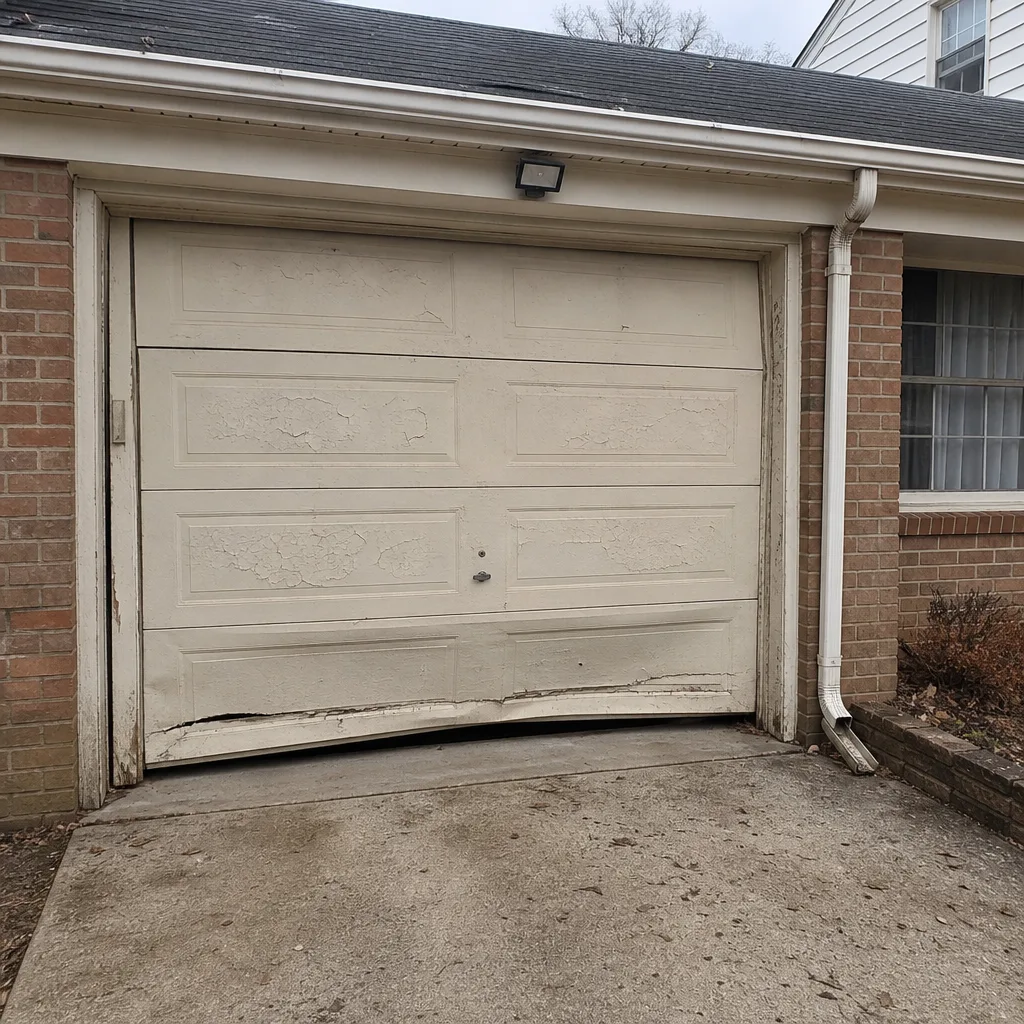 Before
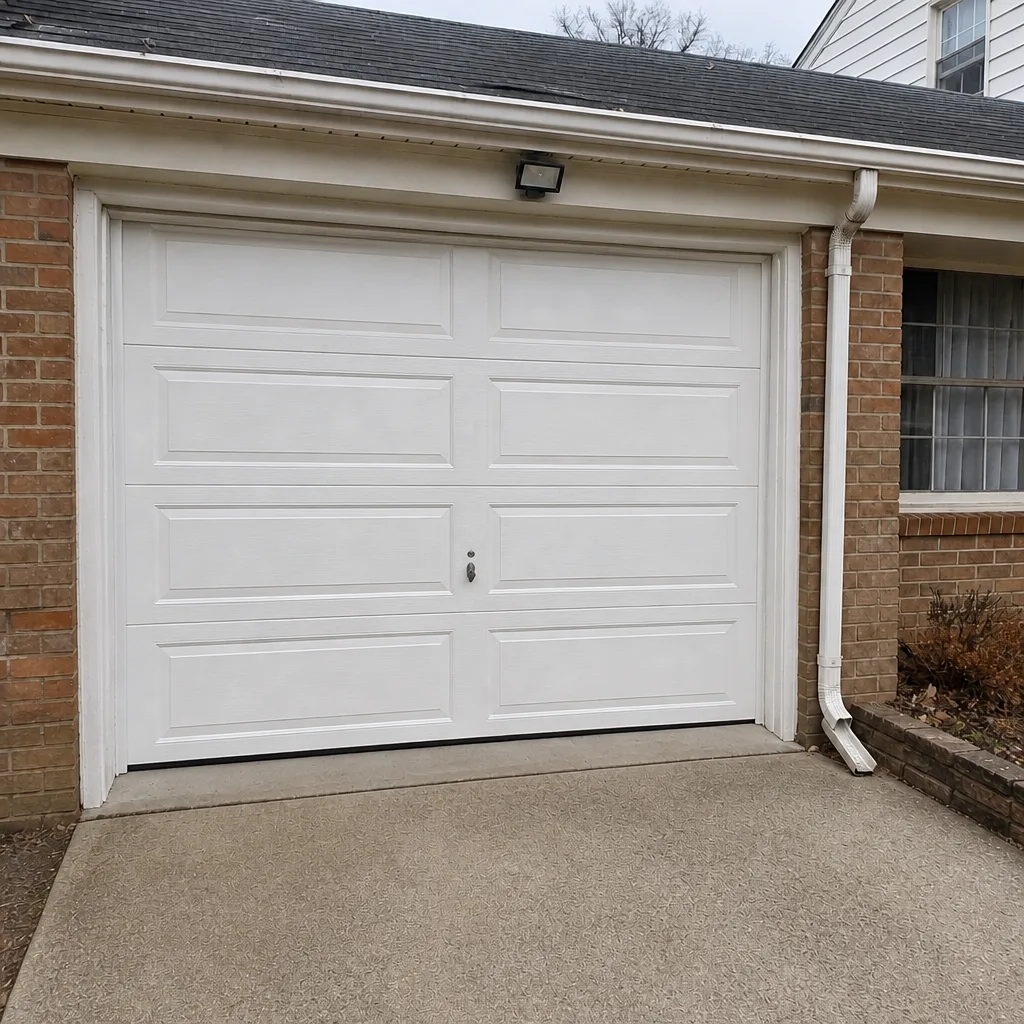 After
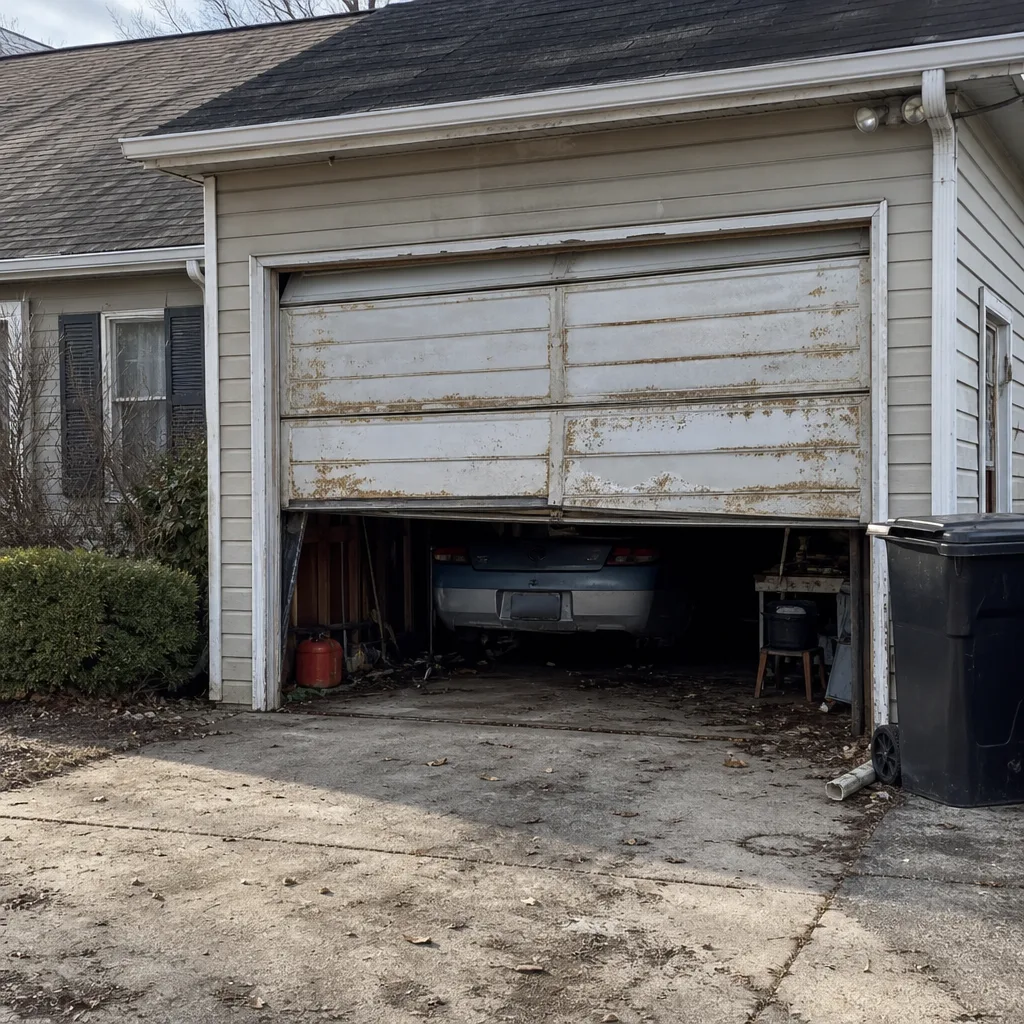 Before
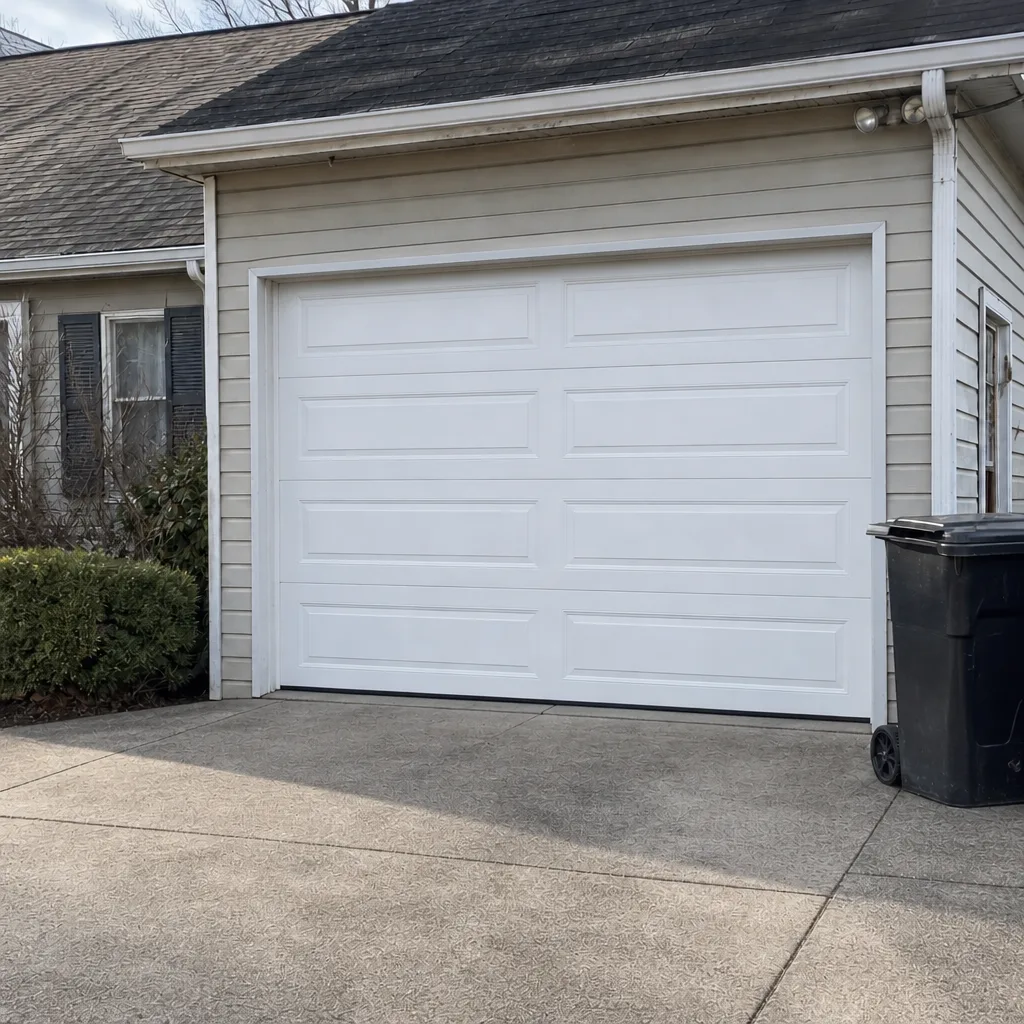 After
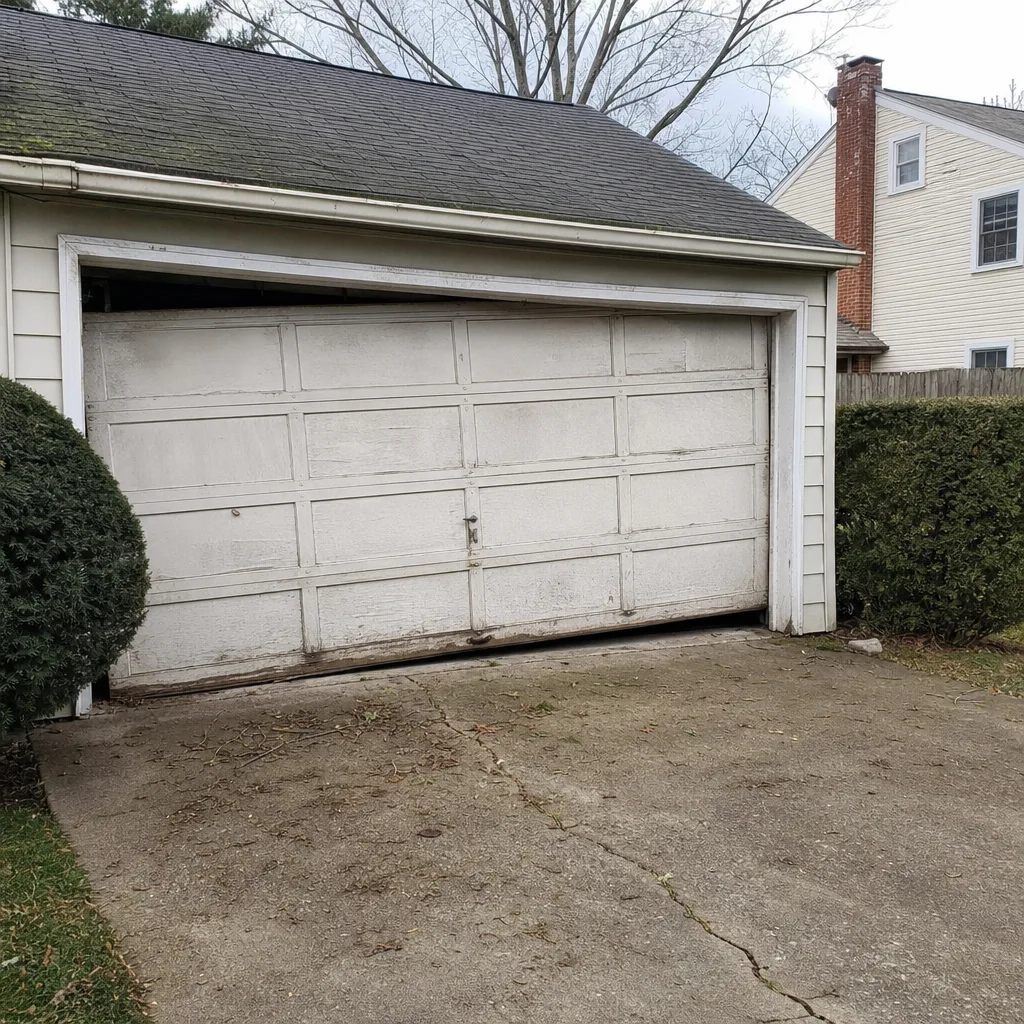 Before
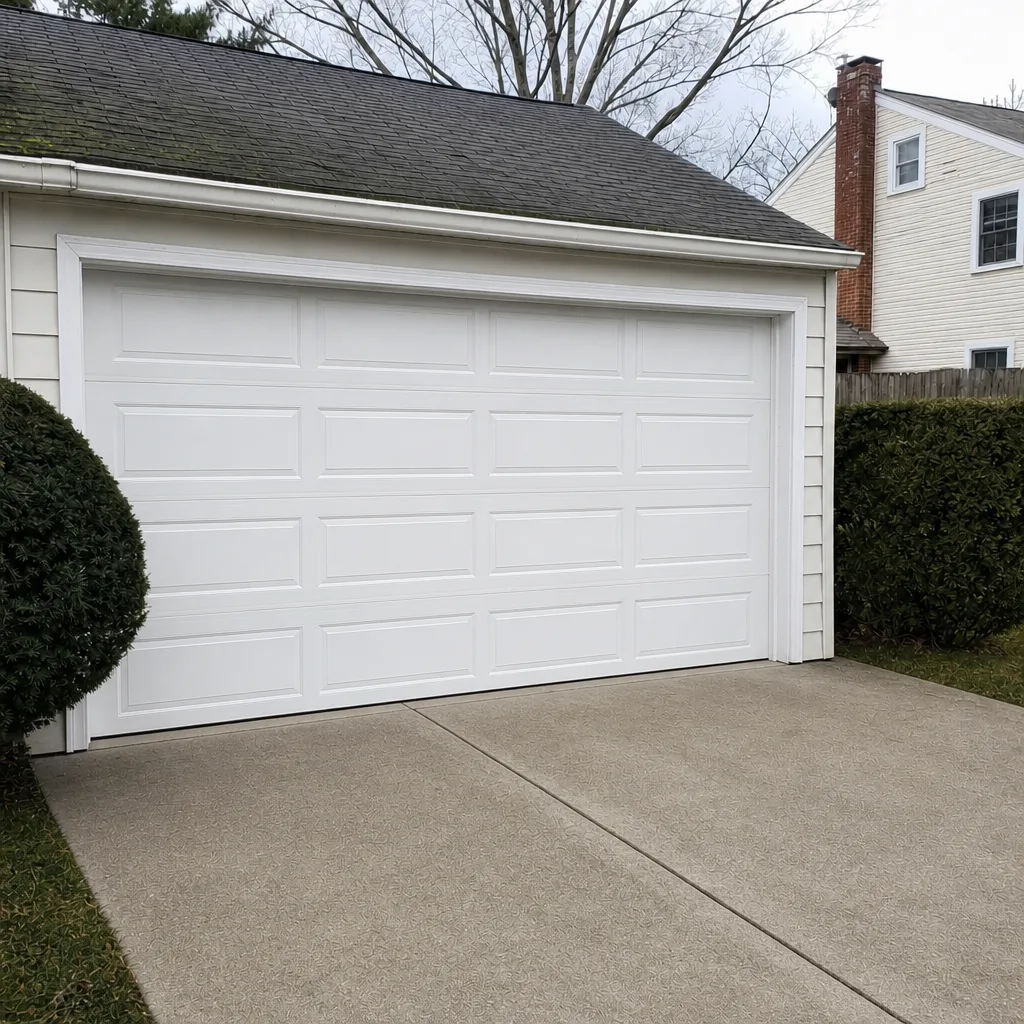 After
When to Call a Professional
Some garage door problems are genuinely dangerous to touch. Worn torsion springs are under high tension and can cause serious injury if handled without proper tools and training, and that includes a spring that looks fine but feels slightly off. Wobbly or frayed cables fall into the same category. Electrical work on an opener, high-tension springs and any structural changes to the door are not DIY projects, no matter how many videos you’ve seen. Call a trained technician before you touch a spring, cable, or wiring.
Beyond safety, the moments to call are simpler than they look: a door that won’t close evenly, an opener that behaves differently than it used to, a dented panel that needs a match, or a full door that’s at the end of its life. Stratford Garage Door Service offers free estimates in Washington. Call (844) 372-0752. We answer 24/7. Fast dispatch, 7am-7pm, Sunday through Friday.
How a Written Estimate Becomes Your Final Invoice
The honest answer to “will it cost more than the quote?” is that it shouldn’t. A written estimate is the price, and the only time the number changes is when the scope changes, which is always a conversation before work begins, not after. If a technician finds a problem the estimate didn’t account for, they should stop and re-quote before continuing.
That’s the structure we run on. In-Washington, the estimate is itemized, you approve it, and the technician works toward that scope. If the door is in better shape than expected, the price comes down. If it’s worse, you get a new number and the choice to move forward or not. Either way, no surprises at the end.
When you call to schedule, the person on the phone should ask about access (driveway or alley) and whether the address is in a historic district. If they don’t ask, that’s a sign they’re not pricing the job that Washington actually presents. Our team asks these questions on the first call precisely because they shape the estimate.
Frequently Asked Questions
Garage door replacement in Washington in 2026 typically runs above national averages, with a full door and opener installation at the higher end and a repair-specific job at the lower end. The specific number depends on door size, material, opener choice, access, and historic district compliance. Call (844) 372-0752 for an exact quote; estimates are free.
Three structural reasons drive the gap: higher skilled labor costs in the District, more alley-access jobs that add time and hand-carry labor, and historic review and permitting work that shows up in the estimate. A comparable job across the District line often looks cheaper simply because it isn’t the same job. Call (844) 372-0752 for an exact quote; estimates are free.
Many types of garage door work, especially anything involving electrical changes or structural modification, require a permit in most cities. The exact rules depend on your address and the scope of work. Ask the District’s building department before you schedule, and confirm that your contractor includes permit assistance in the quote.
Spring repair is often a same-day job when the part is on the truck and access is straightforward. Call (844) 372-0752 and we’ll tell you whether your address can be reached that day. We answer 24/7. Fast dispatch, 7am-7pm, Sunday through Friday.
No. The written estimate is the price. If we find something the estimate didn’t account for, we stop and re-quote before continuing, and you decide whether to move forward. Call (844) 372-0752 for an exact quote; estimates are free.
We carry common parts for the major brands we work with, so many repairs finish in one visit. Unusual panels or specific opener models may need to be ordered, and we’ll tell you at the estimate. Call (844) 372-0752 for an exact quote; estimates are free.
The Bottom Line
Garage door pricing in Washington is not the same as everywhere else, because the city asks different things of the job. Higher labor costs, alley-access work, and historic district compliance all shape the number, and a quote that ignores any of them will cost you later. Read quotes as scopes, not totals. Compare the same items. Ask about permits, disposal, warranty coverage, and access. And remember that springs and cables are genuinely dangerous to handle, so leave them to a technician. If you want a written estimate that already accounts for what Washington asks of your address, call our team today.
Stratford Garage Door Service works with the eight major brands we know cold: LiftMaster, Chamberlain, Genie, Clopay, Amarr, Wayne Dalton, Craftsman, and Raynor. If you’re ready for a quote that already knows your door, call (844) 372-0752 for a free estimate. We answer 24/7. Fast dispatch, 7am-7pm, Sunday through Friday. You can also start with Stratford Garage Door Service or see our garage door repair page for the full range of what we handle.
Written by the team at Stratford Garage Door Service, serving Washington since 2015.