
Last updated November 14, 2026
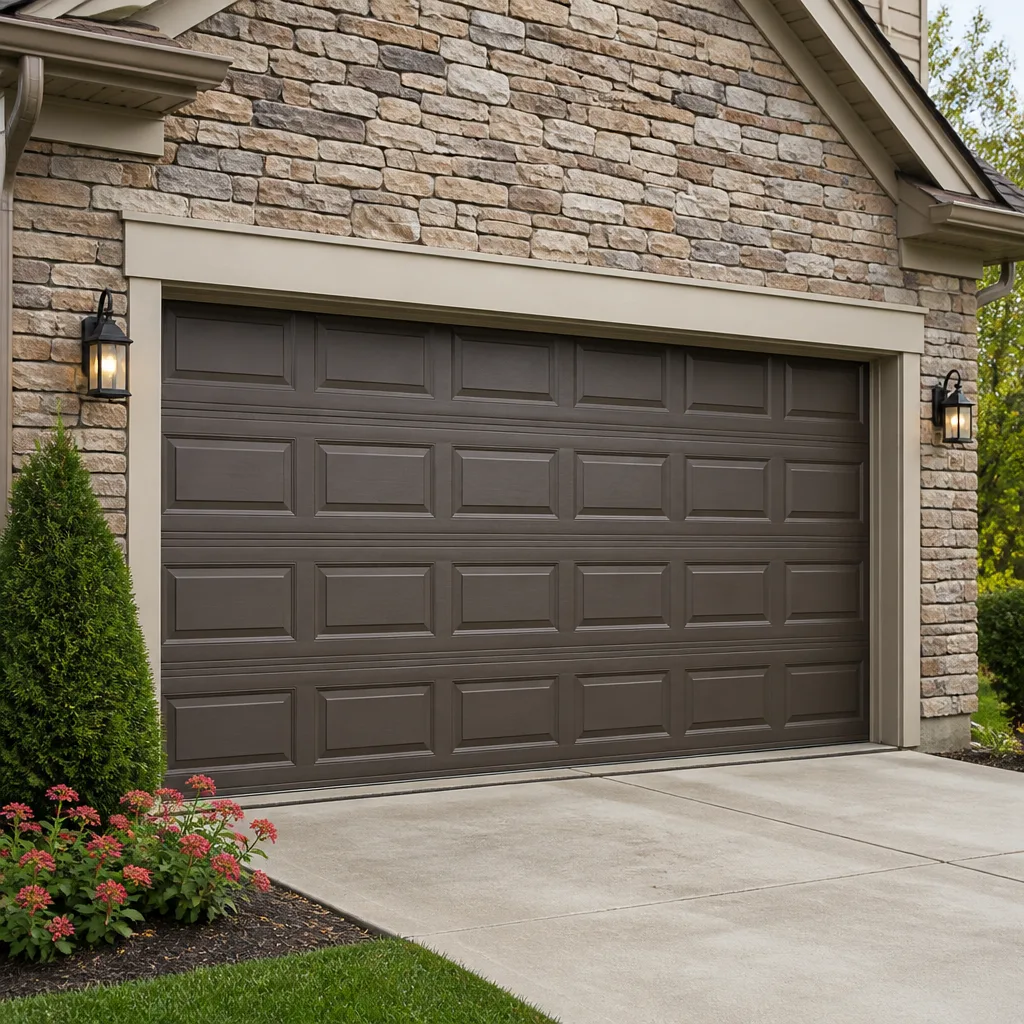 Raised-panel steel
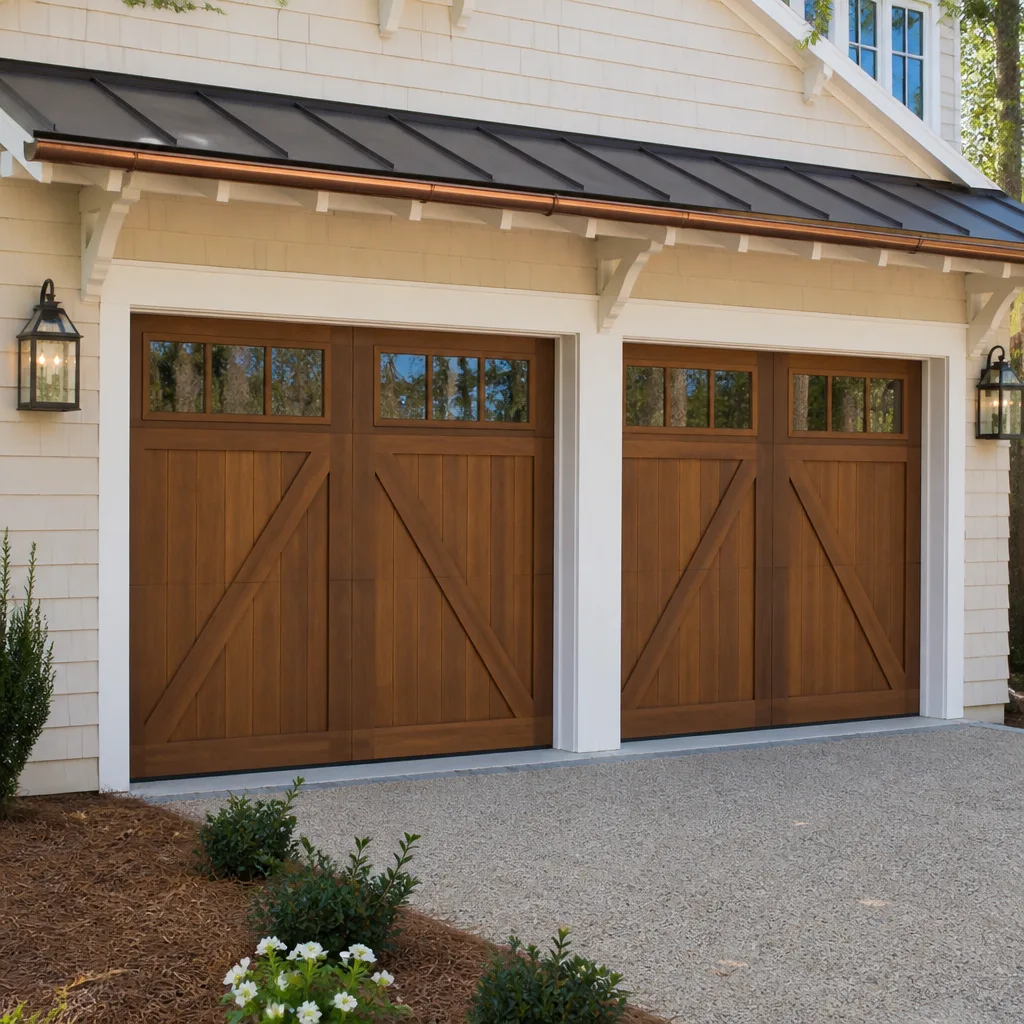 Carriage house
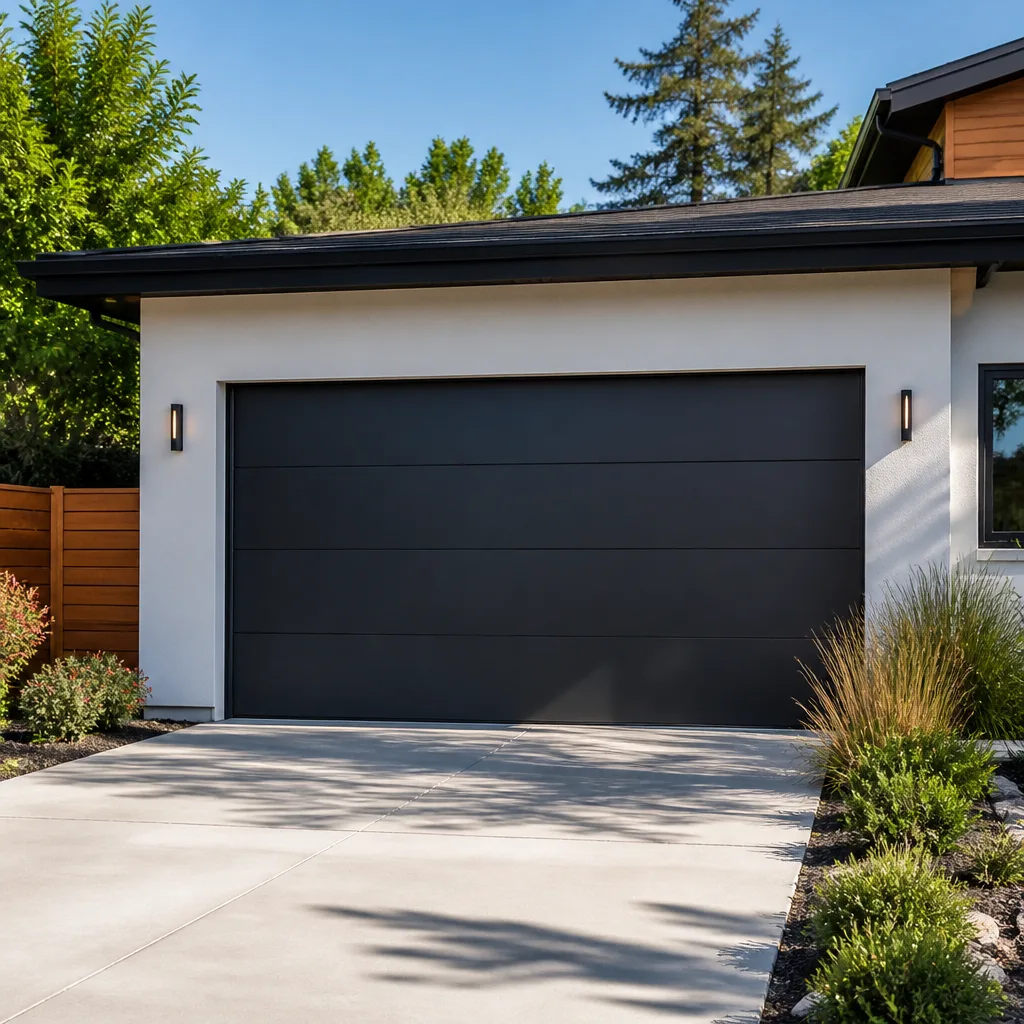 Modern flush
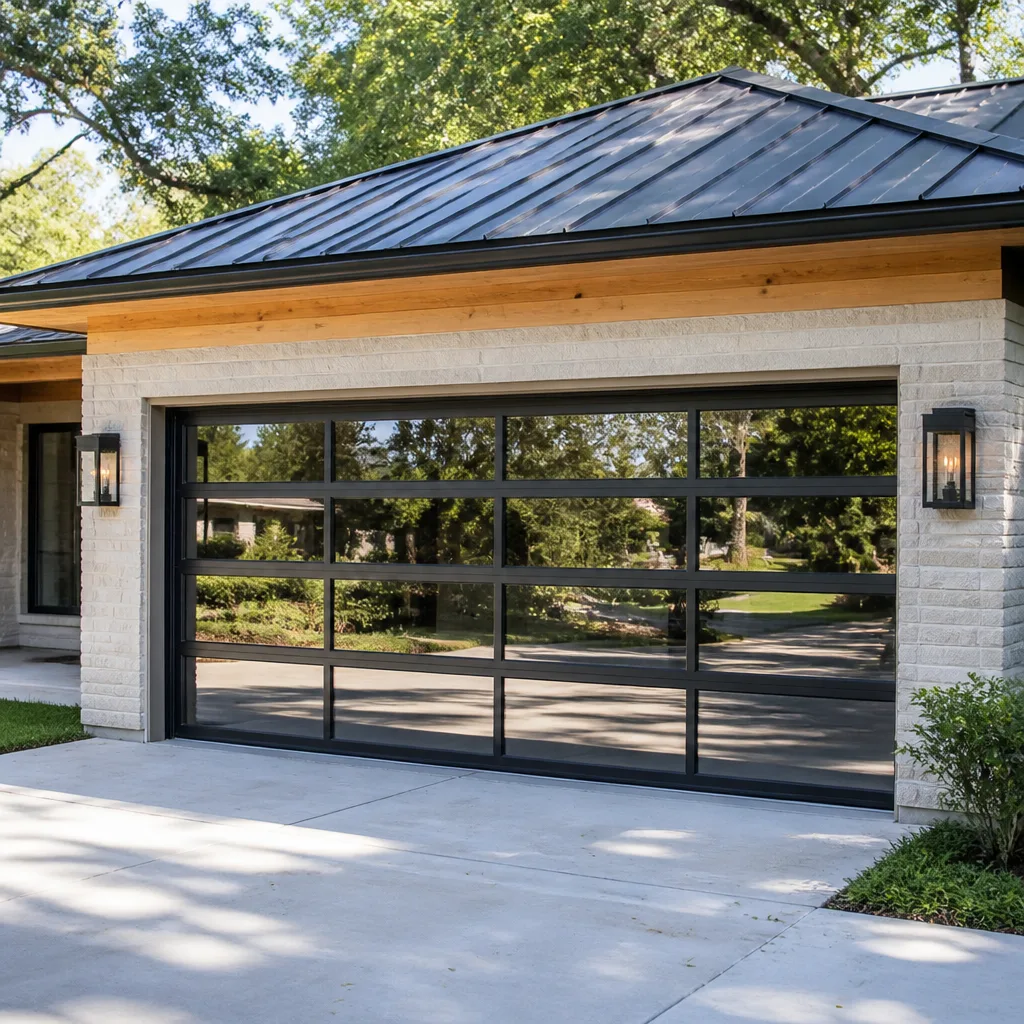 Full-view glass
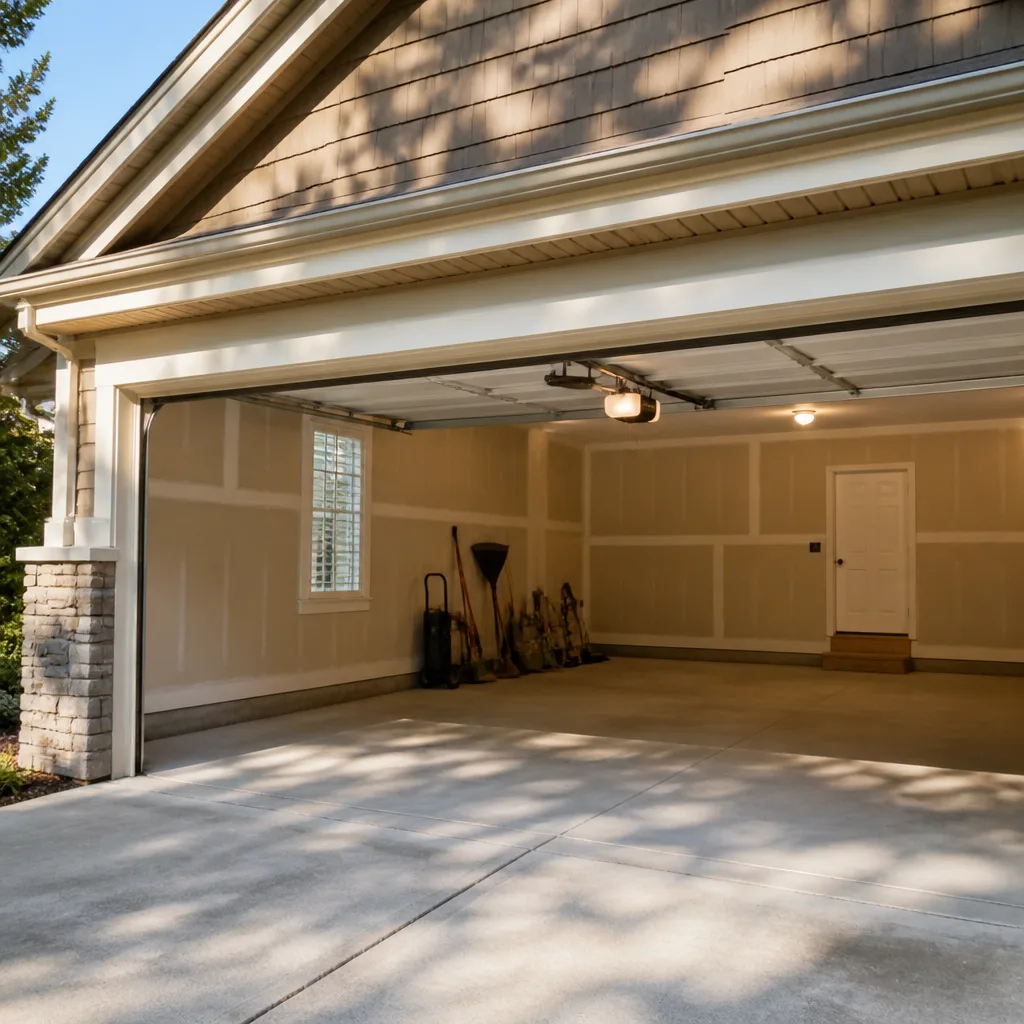 LiftMaster openers
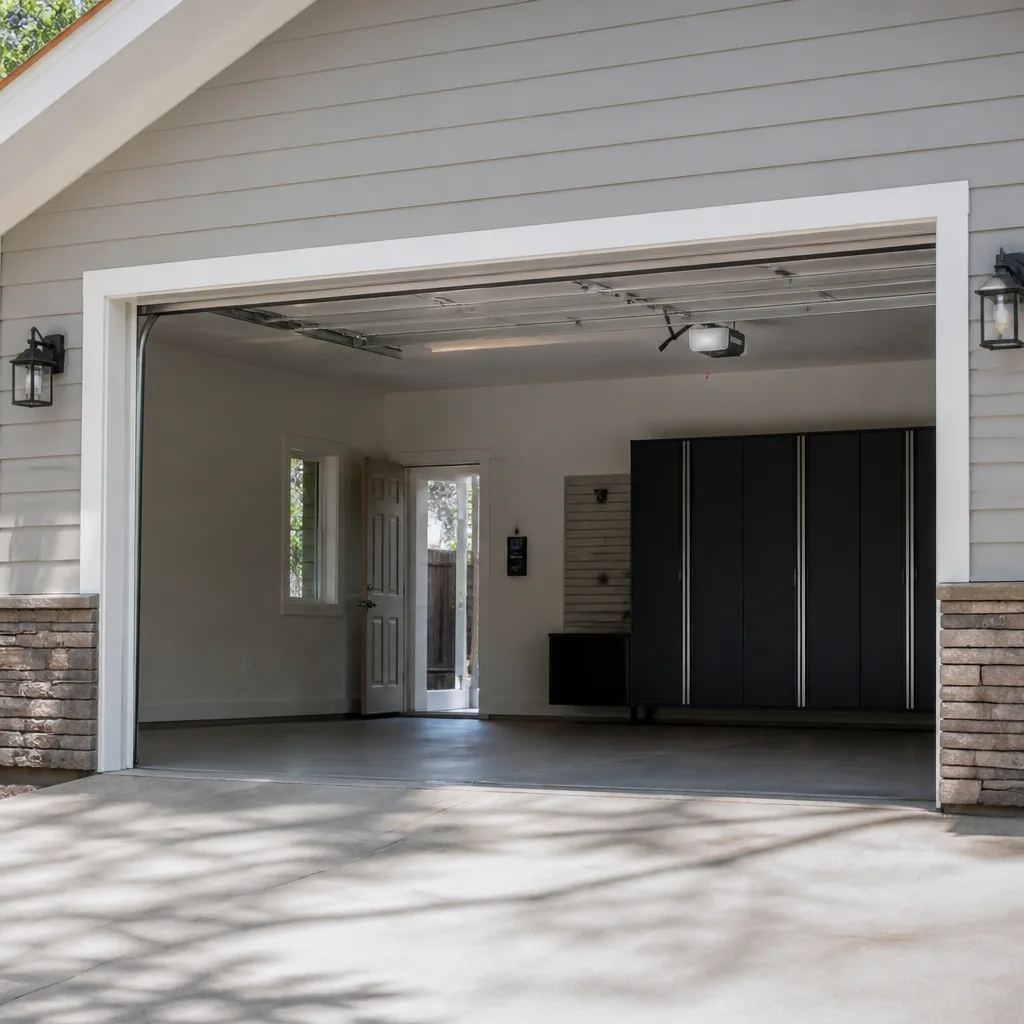 Chamberlain openers
Full 25-point door and opener safety check with every visit - springs, cables, rollers, tracks, and your LiftMaster or Chamberlain opener included
You get a price before we start. It does not change when the truck arrives.
Get your free estimateGarage Door Permits, Codes & Inspections in Washington, DC: What You Need to Know
Most homeowners assume a garage door is a private purchase between them and the company that installs it. In much of Washington, that isn’t true. A door on a home in a historic district can be reviewed by the Historic Preservation Office, then reviewed again by your Advisory Neighborhood Commission, then reviewed a third time by your HOA under recorded covenants, and none of those reviews cancel out the others. A door that passes one can still be rejected by another. This guide maps the actual decision tree, so you know which approvals you need before you order a door, not after it’s already in your garage.
Quick Answer
In Washington, a garage door replacement usually needs a DCRA building permit when you are changing the opening’s structure, the size of the door, the type of door material, or the door’s position, and it typically does not when you are replacing a door with a like-for-like unit of the same size, material and type. If your home sits in one of DC’s twenty-plus historic districts or is a designated landmark, the Historic Preservation Office may need to review the door’s appearance before installation, regardless of whether DCRA calls the job a permit-required project or an ordinary repair.
Styles & brands we work with
- Raised-panel steel
- Carriage house
- Modern flush
- Full-view glass
- LiftMaster openers
- Chamberlain openers
Table of Contents
- When a Garage Door Replacement Needs a DCRA Permit in Washington
- Historic Preservation Office Review: What It Covers and How Long It Takes
- DCRA vs. ANC vs. HOA: Which Reviews Are Binding
- HOA Deed Restrictions in DC vs. Maryland and Virginia Suburbs
- What a Garage Door Inspection Covers in Washington
- What Happens If You Skip Permits
- How to Prepare Before You Buy a Door
- Door Specs and Opener Choices That Age Well in DC
When a Garage Door Replacement Needs a DCRA Permit in Washington
The dividing line between a permit job and a non-permit job is not the door itself. It’s the opening. In Washington, the District government reviews structural changes to a building through DCRA, and drilling new fasteners, widening an opening or altering the header is structural work. Swapping a door of the exact same size, material and type into the existing opening is the kind of maintenance that usually doesn’t trigger a permit. Between those two poles, the answer depends on what changes.
These are the factors that typically push a project into permit-required territory:
- Widening or lowering the opening. Anything that changes the rough framing at the sides or head of the door.
- Changing the type of door. A sectional door where a tilt-up door used to hang, or the reverse, involves new tracks and new attachment points.
- Changing the door’s material or spring system in a way that alters the load on the framing. Heavier doors with different spring setups are typically reviewed.
- Relocating the door. A new opening in the face of the building is a structural and facade change at once.
- Changing the number of doors. Converting a single wide door into two narrower ones is framing work.
A like-for-like swap of the same size and type typically falls outside the permit trigger. Replacing the springs, cables, rollers or opener on an existing door is maintenance, not construction, and generally doesn’t require a permit at all. That’s most of the work we do at garage door repair calls in Washington, and none of it is a permit job.
Because the line isn’t always obvious, the practical move is a short call to DCRA before you buy the new door. Describe the exact change you’re making in one sentence: same size, new model. They will tell you which side of the line you’re on, and that answer is worth having in writing.
Where to Start If You’re Not Sure
If you’re replacing one door with one door and the opening isn’t changing, ask the manufacturer or dealer for a specification sheet with the exact dimensions and material. That sheet is what a permit reviewer or an inspector would look at, and having it ready means the conversation takes minutes instead of weeks. If the opening is changing, call the city’s building department before the door is ordered. Ordering first and asking second is the single most common order-of-operations mistake we see on installation projects.
Historic Preservation Office Review: What It Covers and How Long It Takes
Washington has more than twenty historic districts, and a garage door on a home inside one is treated as a visible element of the streetscape, not just a mechanical part. The Historic Preservation Office reviews exterior changes to designated buildings, and a garage door falls inside that boundary because it’s a flat, broad surface facing the street or an alley. This review is separate from the DCRA building permit. It can run before, alongside or after a building review, and passing one doesn’t mean you’ve passed the other.
In practice, the review looks at several things. Each of these is something a homeowner can see on the door itself:
- Panel profile. Whether the door reads as a raised-panel, carriage-style, or flat-panel door, and whether the profile matches the period of the home.
- Color. A paint color that clashes with the building’s original palette or with the adjacent homes is often the single point of rejection. This is the most common reason an ordered door doesn’t get approved as purchased.
- Glazing and windows. Whether the door has window inserts, and if so, what size, style and framing they use.
- Material and texture. Wood-look steel versus genuine wood versus aluminum, and the surface texture that comes with each.
- Hardware. Hinges, handles, and strap details that make a modern door read period.
Timelines vary by district and by how complete the application is. Submitting a clear, well-photographed application with the door’s spec sheet typically moves faster than a vague submission that leaves the reviewer guessing. Call the Historic Preservation Office for the review timeline before you commit to a delivery date, and plan the door order to happen after the review, not before it.
In our experience doing Stratford Garage Door Service work in these districts, the homeowners who come out ahead are the ones who pick a door from a manufacturer with a known line of period-appropriate profiles, like a Clopay or an Amarr raised-panel unit, because the spec sheet is easy to hand to a reviewer. The homeowners who come out behind are the ones who pick the door they like at a showroom and then try to make it fit the review.
DCRA vs. ANC vs. HOA: Which Reviews Are Binding
Three bodies can weigh in on a Washington garage door project, and they have very different authority. Getting clear on which one can actually stop your installation saves a lot of time.
- DCRA is the body that can issue a permit, reject a plan, and inspect the finished work. Their decision is binding. If a permit is required and you don’t have one, that’s where the enforcement comes from.
- The Historic Preservation Office has binding say over exterior appearance in designated districts and for landmarked buildings. Their approval is required, not optional.
- Your ANC (Advisory Neighborhood Commission) is exactly what its name says. Its input is advisory. In some cases an ANC will review a project and send comments to DCRA, and those comments can shape the outcome, but the ANC doesn’t approve or deny a garage door replacement. You do not need ANC sign-off to install a door. You might, however, hear from an ANC commissioner if a neighbor has concerns, and hearing them out early tends to make the process smoother.
- Your HOA is a private contract, not a government body. It can fine you or require you to change the door under the recorded covenants, and it operates independently of DCRA.
What this means practically is that a homeowner in a Washington historic district can do everything right with DCRA and the Historic Preservation Office and still find themselves at odds with their HOA over panel profile or color. That’s why the decision tree starts before you buy: read the covenants, check the historic district map, and only then call DCRA.
HOA Deed Restrictions in DC vs. Maryland and Virginia Suburbs
Homeowners in DC frequently compare notes with friends in Maryland or Virginia and assume the rules work the same way. They don’t. The difference is mostly legal weight, not HOA strictness.
An HOA in a Maryland or Virginia subdivision usually has a recorded declaration that runs with the land and a formal architectural review process with clear timelines. Enforcement is typically contract-based and follows a defined notice procedure. A Washington HOA can also have recorded covenants, but the city’s mix of older neighborhoods, smaller associations, and buildings without a formal association at all means enforcement can be more irregular. Some DC associations enforce strictly through recorded restrictions; others have no active enforcement at all until a neighbor complains. An owner in either case is still bound by whatever the covenants say, even if nobody has enforced them in years.
In DC’s historic districts, the HOA layer sits behind the government review. In the Maryland and Virginia suburbs, the HOA layer frequently sits in front of it, because fewer of those neighborhoods carry a historic preservation overlay. That’s the practical reason a door that sails through in a Virginia subdivision can hit a wall in a Capitol Hill or Georgetown block: there’s an extra reviewer in the sequence.
Read the covenants before you order. If your association has an architectural review committee, get its sign-off on the door’s color and panel profile in writing. Keep that written approval with the door’s paperwork. When a door does get pulled, a written approval is the only thing that gets a homeowner out of the disagreement cleanly.
What a Garage Door Inspection Covers in Washington
There are two different kinds of inspection a homeowner might encounter, and they’re easy to confuse. The first is the city inspection that follows a permitted project. The second is a practical safety check of the existing door, which is often what prompts a homeowner to look at garage door opener repair in the first place. Both are worthwhile, but they answer different questions.
City Inspections After a Permitted Project
If your garage door replacement required a DCRA permit, the finished work is subject to inspection before the permit is closed. The inspector checks that what’s installed matches what was permitted: the door’s size, its material, and the attachment to the framing. Call for the inspection once the door is hung and functional, and keep the permit paperwork accessible. A closed permit is a much simpler record to have on hand when you sell the property than an open one is.
Practical Safety Checks on an Existing Door
A door that’s been on the house a while benefits from an annual look. In our experience running Washington repair calls, the things worth checking include:
- Springs and cables. Look, don’t touch. Tensioned springs and cables are the most dangerous part of any garage door, and a homeowner should never put hands or tools near them. If a spring is broken or the door feels unusually heavy, that’s a call to a trained technician, not a project.
- The auto-reverse safety feature. Place a small object under the path of the door and confirm the door reverses on contact.
- The photo-eye alignment. The two sensors at the bottom of the tracks should be aimed at each other with the indicator lights lit.
- Rollers and balance. Open the door by hand and see if it stays within a foot or two of where you leave it, which tells you whether the spring is doing its share.
- The opener’s force settings and mounting. A loose opener vibrates; a badly set one strains the door.
If you’re not sure your door is safe, stop using it and have it checked. The cost of an inspection is far less than the cost of a dropped door or an injury.
What Happens If You Skip Permits
Skipping a required permit rarely causes a problem on the day of installation. It typically causes the problem later, at the worst possible moment. The main consequences break down like this:
- Stop-work orders. If DCRA learns that permitted work is being done without a permit, they can issue a stop-work order that pauses the project until the permit is obtained and the work is inspected. On a garage door replacement, that means the door comes down or stops being installed until the paperwork catches up.
- Fines. DCRA can assess fines for work performed without a required permit. The amount depends on the situation, but it’s a cost you don’t want to discover after the fact.
- Sale complications. When you sell a home, the buyer’s inspection and the title process tend to surface unpermitted work. A door that doesn’t match the property record can become a negotiating problem, or worse, a project you’re asked to permit retroactively right when you’re trying to close.
- Insurance questions. If a failure of an unpermitted installation becomes the subject of a claim, you can expect the insurer to ask about permits. We can work with your insurer on the repair side; the permit side is on the homeowner.
- Historic district complications. In a historic district, unpermitted exterior changes can be reviewed after the fact. That’s when a homeowner who skipped the Historic Preservation Office review can be asked to change or remove the door.
The overall pattern is straightforward: the permit and review process costs some time up front and saves far more time later. That’s the whole case for doing it in order.
How to Prepare Before You Buy a Door
The single best thing you can do is sequence the approvals before you spend money on a door. Here is the order that works in Washington:
- Check the historic district map. Confirm whether your address falls inside a designated historic district or is a landmark. This is a five-minute check and it changes everything downstream.
- Read your HOA covenants. Even if nobody has enforced them in years, they can still be enforced against you. Look specifically for language about garage doors, colors, materials and panel profiles.
- Call DCRA. Describe the exact change you’re planning and ask whether a building permit is required. Write down the answer.
- If you’re in a historic district, call the Historic Preservation Office. Ask what the review covers for a garage door and what the timeline looks like for your district.
- Choose a door with a clear spec sheet. A manufacturer with a known line of period-appropriate profiles makes the review easier. A Clopay or Amarr door with a well-documented raised-panel profile is a stronger submission than a door with vague documentation.
- Order the door only after all three reviews are resolved. This is the step most homeowners skip, and it’s the one that costs the most when it’s missed.
- Keep every piece of paperwork together. The door spec sheet, the permit, the HPO approval, the HOA sign-off. You’ll want all of it at inspection time and at sale time.
If you want the door installed right the first time and you’d rather not handle the sequencing alone, we’re glad to talk through what your project will need. Our focus is garage door repair and installation, not permitting, so we’ll point you to the right office rather than guess.
Door Specs and Opener Choices That Age Well in DC
Washington’s climate is a factor in what makes a good door. The city has hot, humid summers and chilly winters, and a door that faces the sun all afternoon will lose its finish faster than a shaded door will. Insulated doors with a factory-applied finish hold up better than bare steel that has to be painted after installation. That’s worth knowing before you choose a door, because it affects both the longevity and the appearance over time, and appearance matters if you’re in a historic district.
On the opener side, the DC market is split between smart-home-compatible openers and the legacy units still in most garages. We work with both. LiftMaster and Chamberlain/myQ are the two dominant smart-home-compatible lines, and Chamberlain’s myQ app lets you open and check the door remotely, which DC homeowners who travel or rent their property tend to value. Craftsmans and Genies make up much of the existing legacy stock, and they’re all serviceable. Our brand-agnostic approach means we don’t push you toward a replacement on the basis of brand alone; the right answer is whatever fits the door and the opener you already have.
If your existing door is a Wayne Dalton or a Raynor model that still works well, replacing the opener rather than the door is often the more sensible project. If the door is failing and the opener is fine, the reverse. We don’t recommend either without looking at what you have.
Common Mistakes to Avoid
- Ordering the door before the historic review. This is the single most expensive misstep in a DC historic district. Get the appearance approval before the door is manufactured, and keep the approval in writing.
- Assuming that DCRA approval covers the HPO and the HOA. They are separate reviews run by separate bodies. A permit from DCRA does not and cannot clear a historic preservation review, and neither clears an HOA covenant.
- Treating ANC input as a vote. The ANC advises, it doesn’t approve or deny. If a commissioner raises a concern, hear them out, but understand that your approval comes from DCRA and, when applicable, the Historic Preservation Office.
- Skipping a permit because the door looks like the old one. If the opener or the framing is changing, the job may be permit-required even if the door is a familiar profile. Ask before you install.
- Picking a garage door color to match the trim on the front of the house. In a historic district, the color is judged against the building’s period and the adjacent streetscape, not just against your own trim.
- Not keeping written records. A closed permit and a written HOA approval are what you want in hand at sale. Verbal approvals can’t be enforced later.
- Trying to service the springs or cables yourself. The tension in those components is high and the stored energy can cause serious injury. Leave spring work to a trained technician.
See the difference
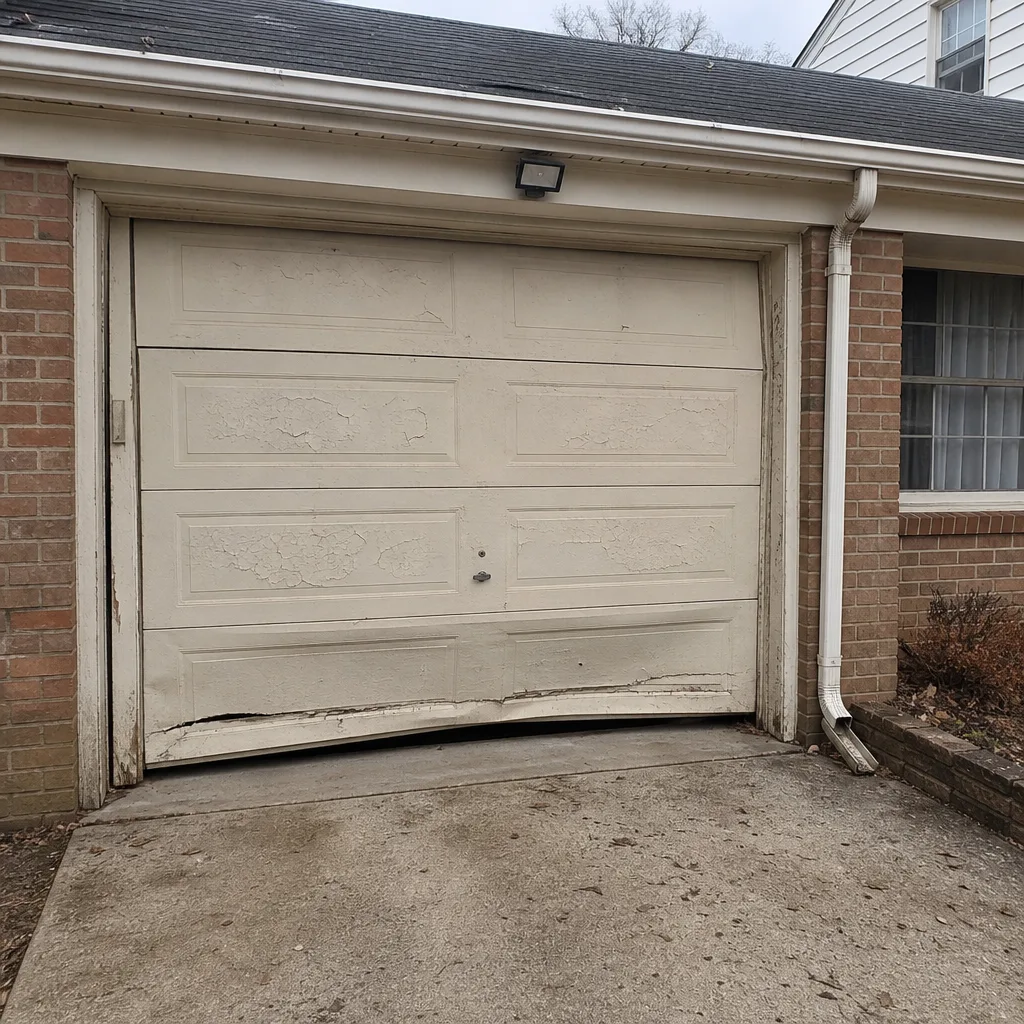 Before
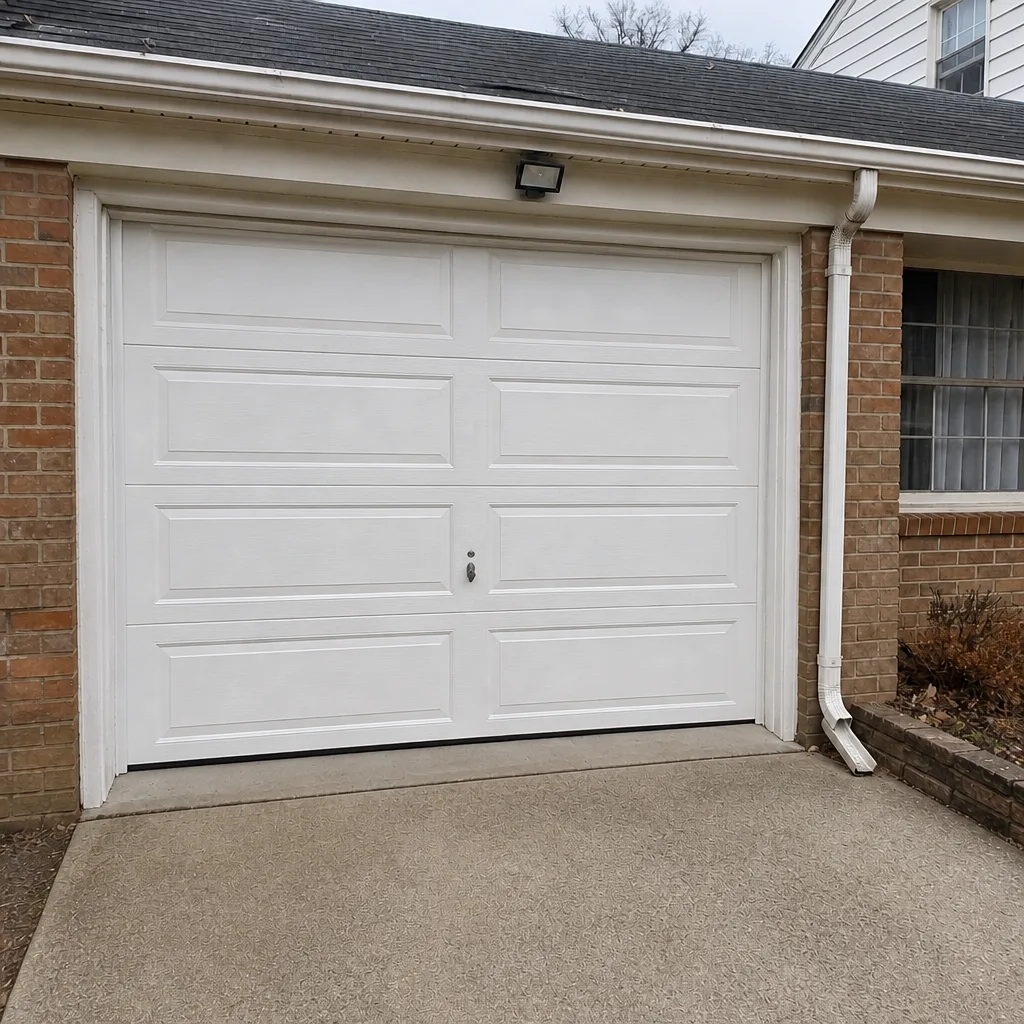 After
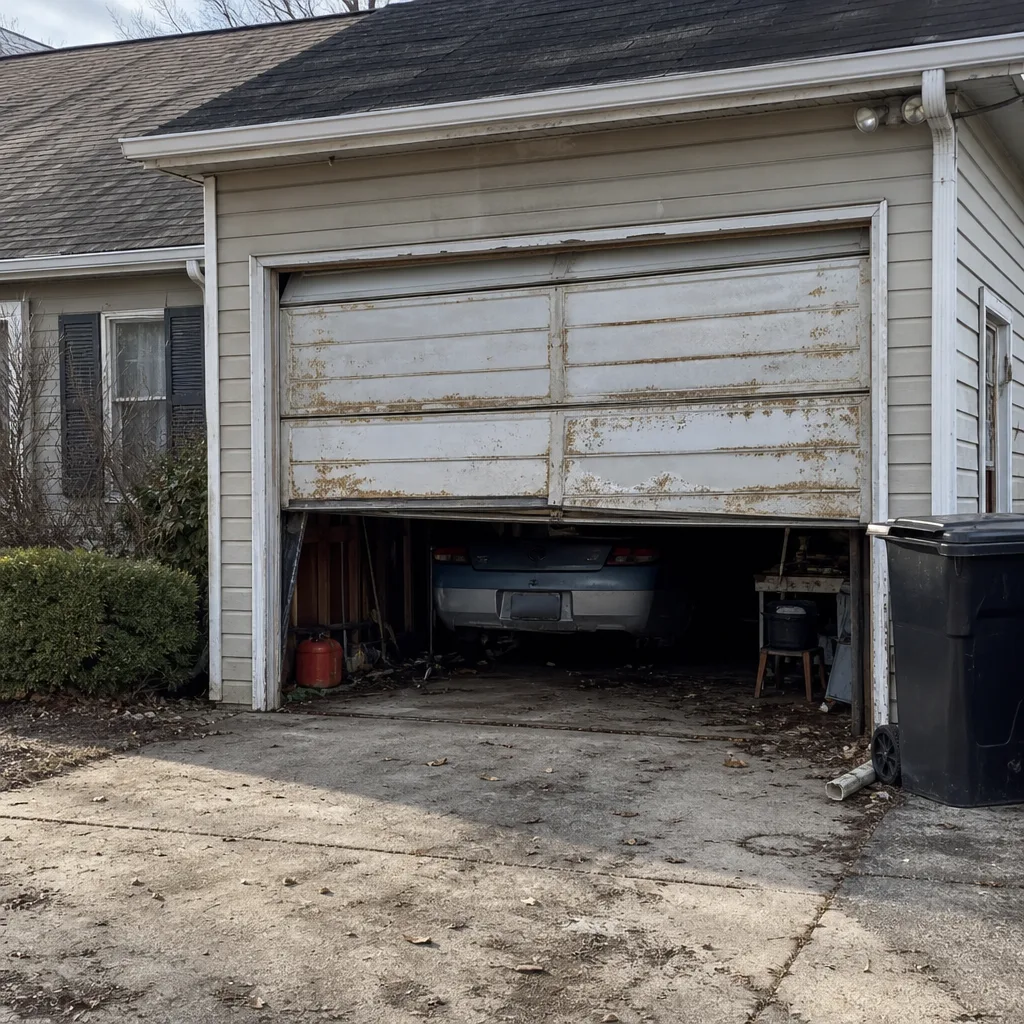 Before
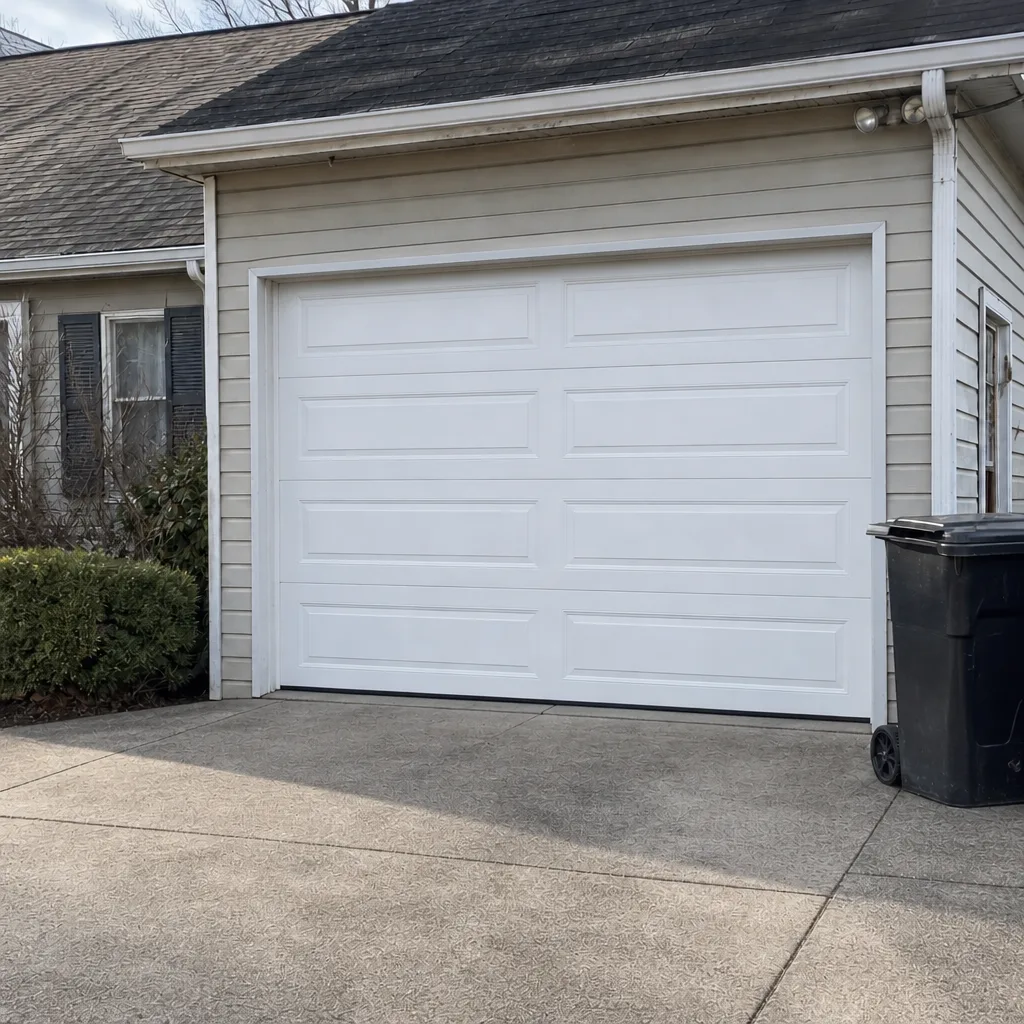 After
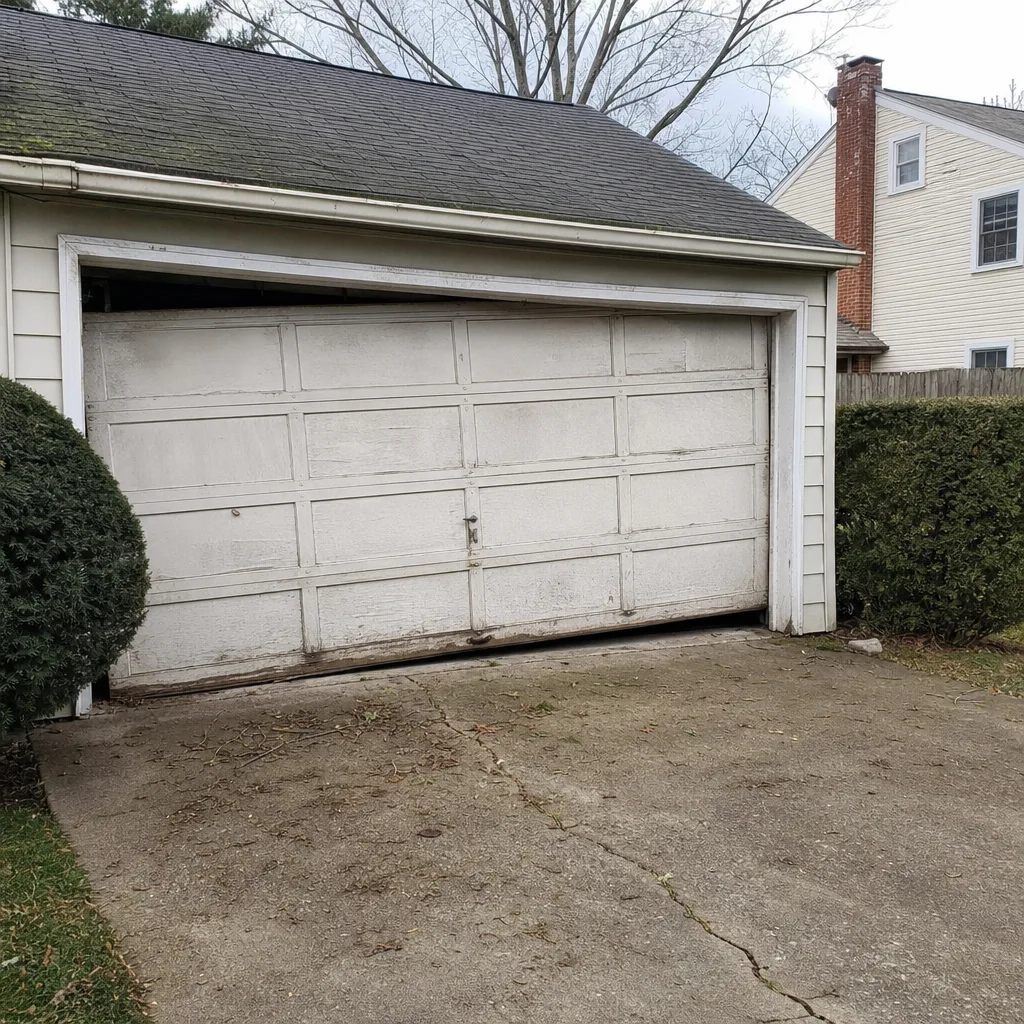 Before
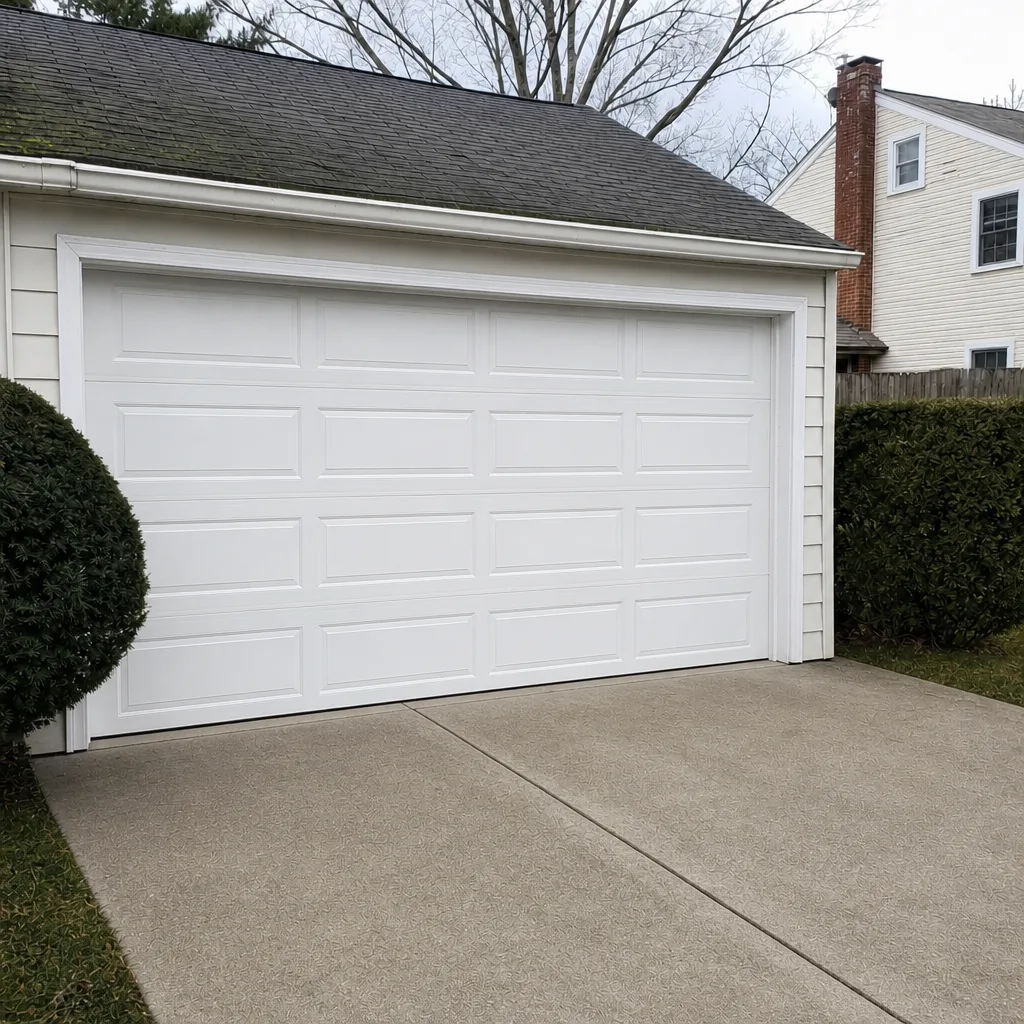 After
When to Call a Professional
Call a specialist when your garage door is not opening and closing properly, when the spring has snapped, when the opener runs but the door doesn’t move, or when you’re replacing the door and want the installation done to spec. Call us when you want an opinion on whether the door and opener you already have are worth repairing or replacing, because that decision is easier with a specialist looking at the actual equipment. Call us when you’re choosing a new door for a historic district and want to pick a profile that will pass review without a second attempt. Call us when you’ve got a Wayne Dalton or a Raynor door that’s still working but the opener is lagging, and you want a straight answer on the right fix. Stratford Garage Door Service offers free estimates in Washington. Call (844) 372-0752. We answer 24/7. Fast dispatch from 7am to 7pm, Sunday through Friday. The written estimate sets the price, and it’s agreed before any work starts.
Frequently Asked Questions
It depends on what changes. A like-for-like swap of a door with the same size, material and type into the existing opening typically doesn’t require a DCRA building permit. Changing the opening’s structure, the door’s size, the type of door, its material or its position usually does. Call DCRA with a one-sentence description of the exact change and get their answer before you order the door.
Yes, if your home is inside one of DC’s designated historic districts or is a landmark. The Historic Preservation Office reviews exterior changes, and a garage door is an exterior change because it faces the street or alley. The review looks at panel profile, color, glazing, material and hardware. Submit the door’s spec sheet with the application. Call (844) 372-0752 if you want a free estimate on the installation after the review clears.
No. An Advisory Neighborhood Commission’s input is advisory, not binding. The ANC can comment to DCRA, and it’s worth hearing a commissioner’s concern if one raises it, but it doesn’t approve or deny a garage door replacement. The binding reviews come from DCRA and, in a historic district, the Historic Preservation Office.
DCRA can issue a stop-work order and assess fines for work done without a required permit. The bigger complication tends to show up at sale, when the buyer’s inspection or the title process surfaces the unpermitted work. In a historic district, an unpermitted exterior change can also be reviewed after the fact, which is where a door can be required to come out. Call (844) 372-0752 for a free estimate on doing the job with the paperwork in order.
Timelines vary by district and by how complete the application is. A clear application with photos and the door’s spec sheet typically moves faster than a vague one. Call the Historic Preservation Office for the current timeline in your district before you commit to a delivery date, and don’t order the door until the review clears.
We handle the installation, not the permit. We can tell you what the door’s spec sheet needs to show and what profile is likely to pass review, and we’ll point you to the right office for DCRA, the Historic Preservation Office or your HOA. If you want a free estimate on the installation, call (844) 372-0752. We answer 24/7. Fast dispatch from 7am to 7pm, Sunday through Friday.
It can, and it’s worth a call to your insurer before you choose a door. We can work with your insurer on the repair side, but the permit and the coverage decision are on the homeowner. Getting the insurer’s input on a new door early costs nothing and can prevent a surprise later.
The Bottom Line
Washington’s garage door permitting landscape is more layered than the surrounding jurisdictions because two government reviews and a private covenant can all apply to the same door. DCRA handles the building permit and the inspection. The Historic Preservation Office handles appearance in designated districts. Your HOA handles the covenants. The ANC advises and does not approve. The decision tree is simple to follow once you know the order: check the map, read the covenants, call DCRA, call the Historic Preservation Office if you’re in a district, choose a door with a clean spec sheet, and order it last. Do that, and the door you buy is the door you keep.
Written by the team at Stratford Garage Door Service, serving Washington since 2015.