
Last updated November 14, 2026
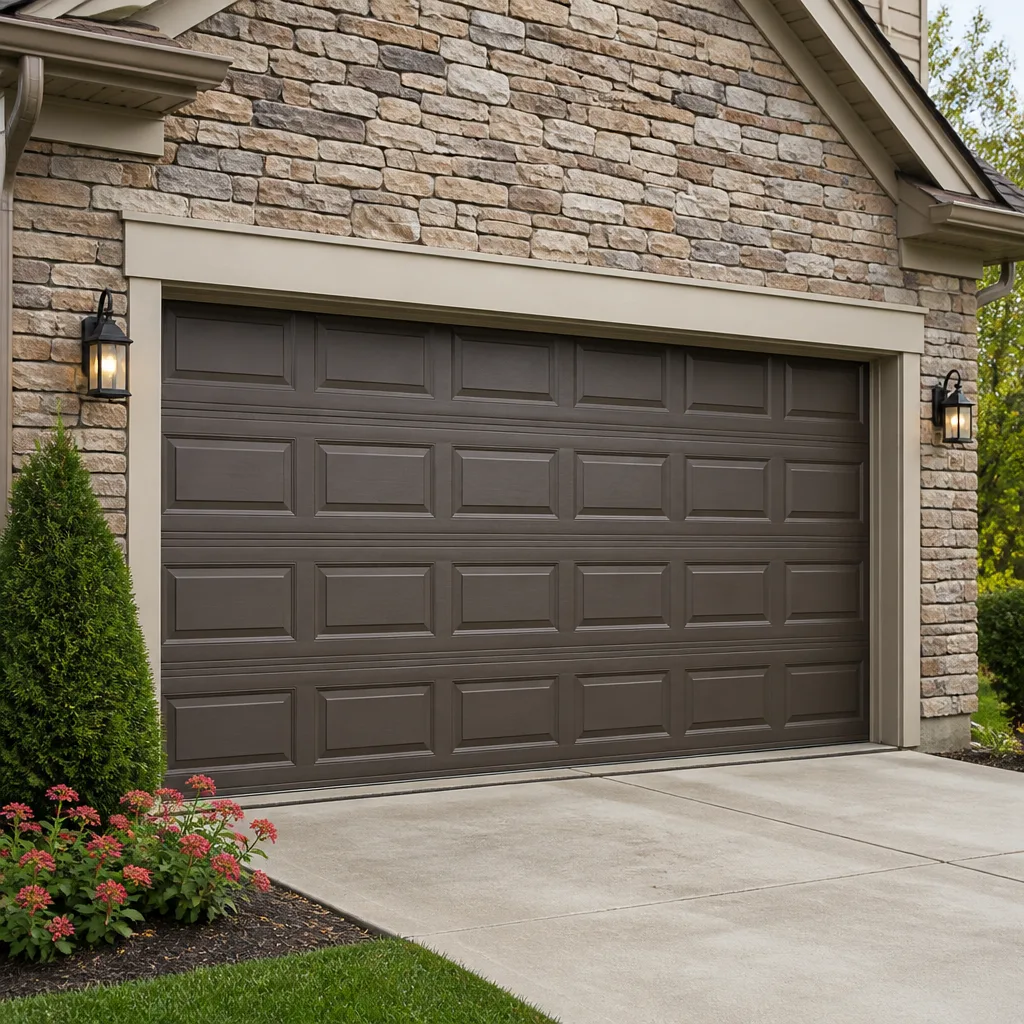 Raised-panel steel
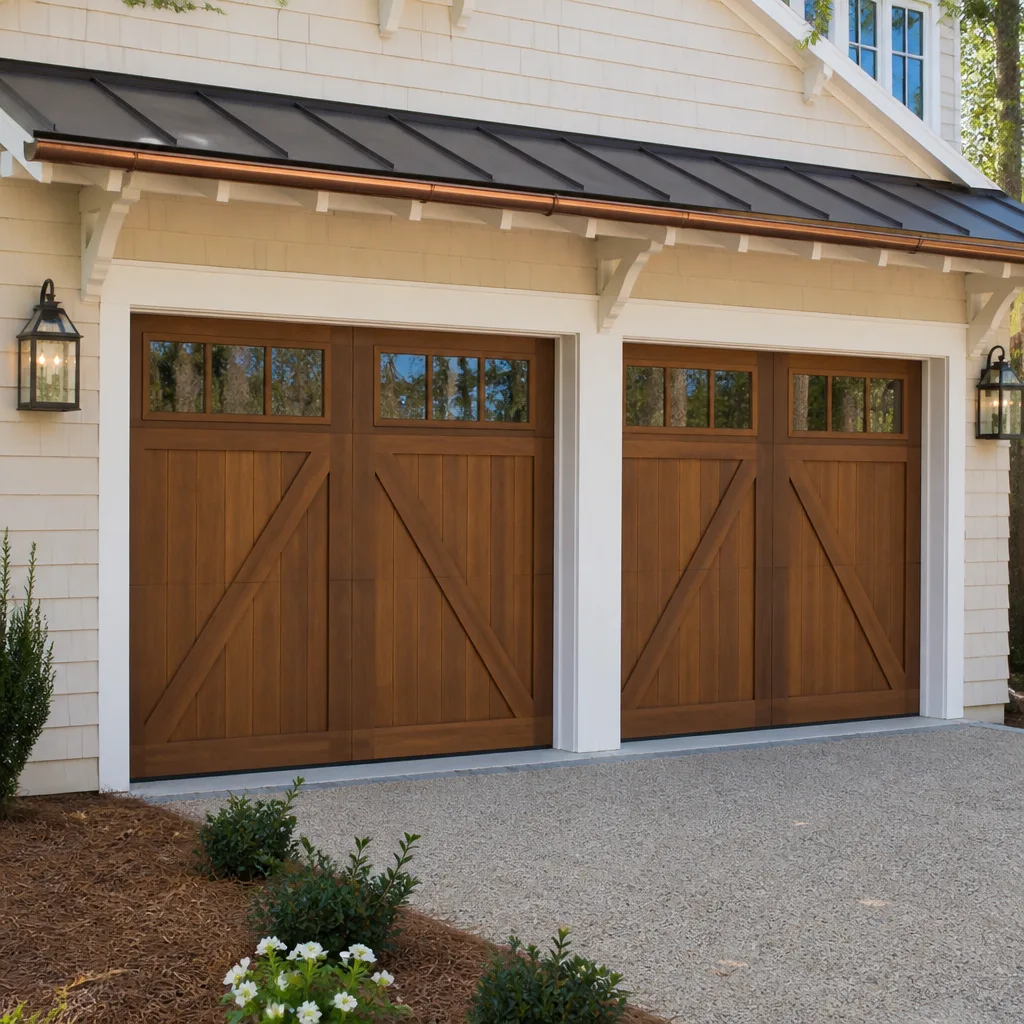 Carriage house
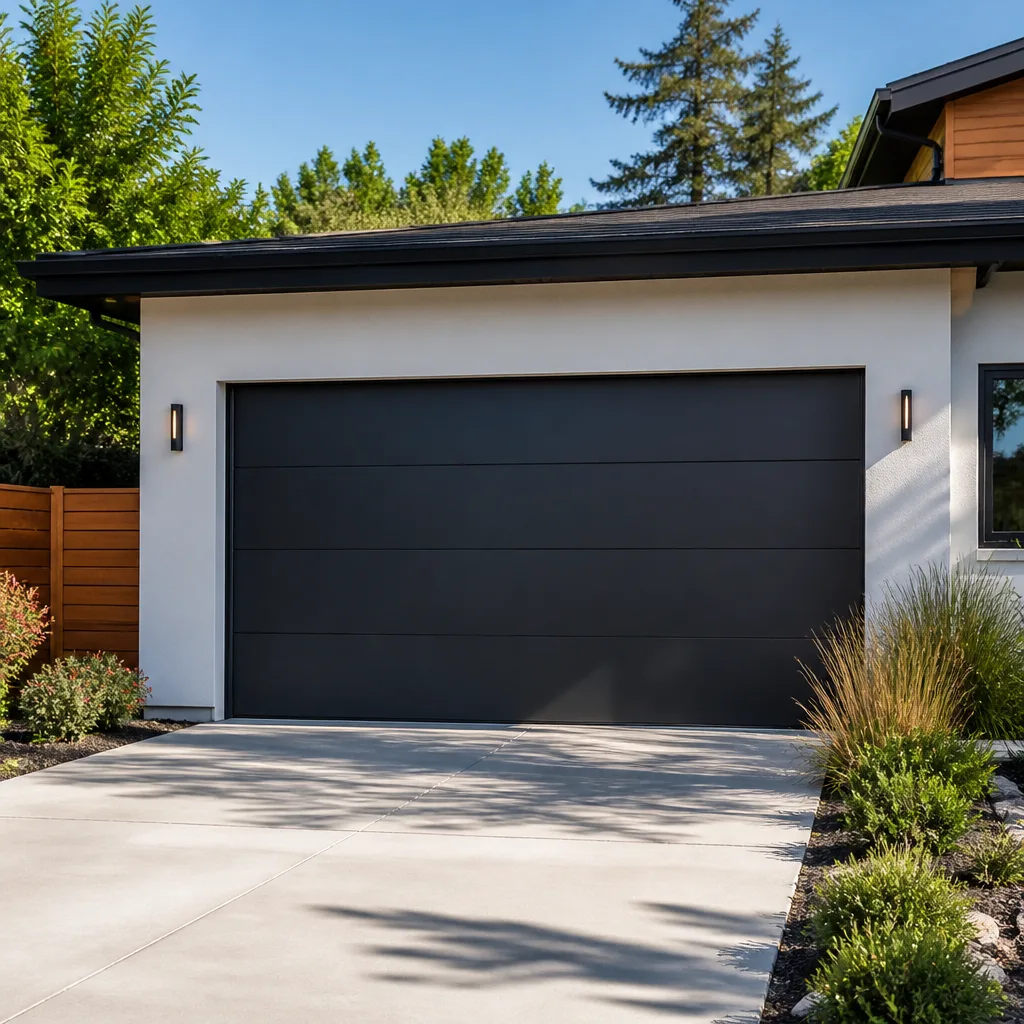 Modern flush
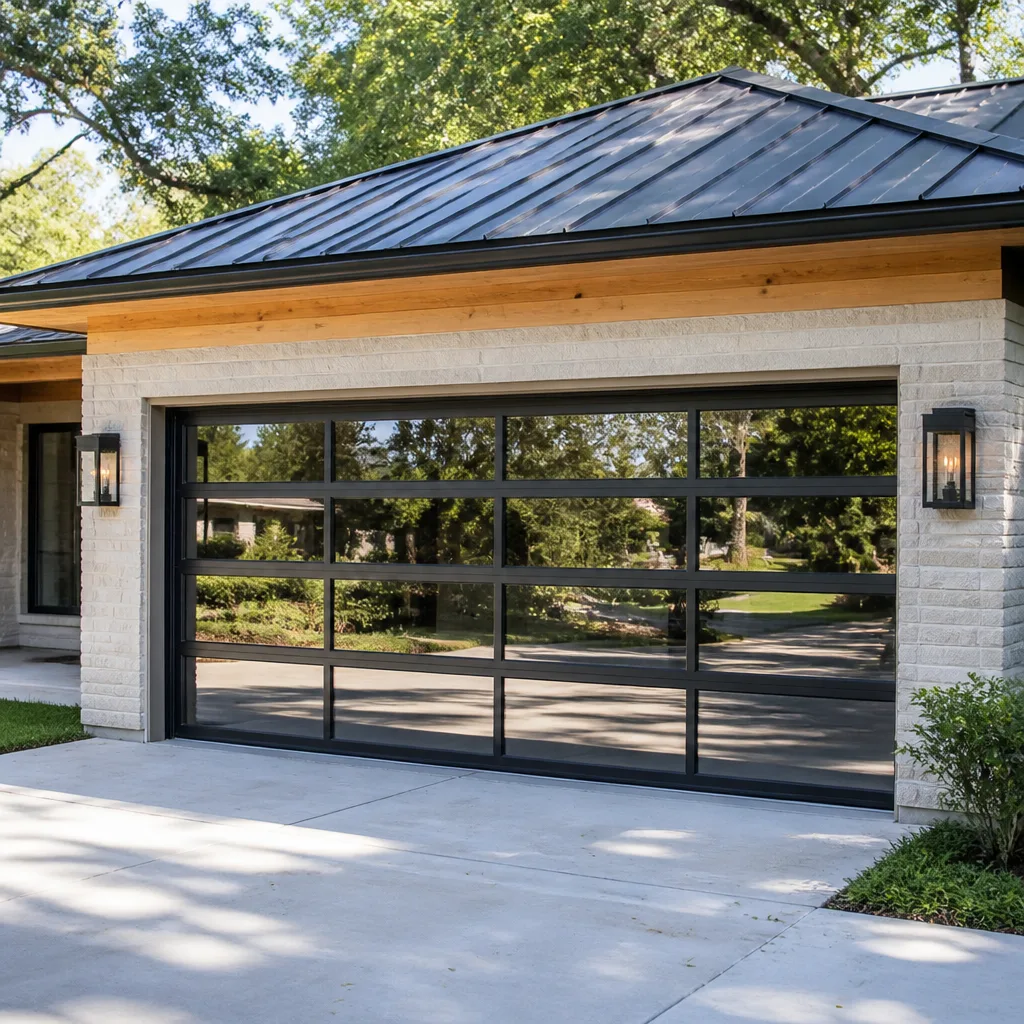 Full-view glass
 LiftMaster openers
 Chamberlain openers
Full 25-point door and opener safety check with every visit - springs, cables, rollers, tracks, and your LiftMaster or Chamberlain opener included
You get a price before we start. It does not change when the truck arrives.
Get your free estimateGarage Door Repair Maintenance Checklist for Washington Homeowners
Most garage door maintenance advice you’ll find online was written for a climate that isn’t yours. A checklist built for Phoenix tells you to watch for sun-cracked wood and dust in the tracks. A checklist built for Denver warns about snow load and deep cold. Neither one prepares you for what actually happens to a garage door in Washington, DC, where a January freeze can hand off to a humid April and a pollen-heavy June without much warning, and where the garage door takes more daily use than almost anything else on the property.
The most common spring failure we see in Washington doesn’t start with ice. It starts with lubricant that thickened in January and was never refreshed before spring, when the door suddenly gets cycled five times a day and the spring has to work against that gummed-up resistance. This guide reorders the standard checklist around Washington’s real seasonal damage pattern: freeze-thaw movement, pollen season, summer humidity, and the temperature swings that stress torsion springs far more than steady cold does. You’ll learn what to check, when to check it, and what to log so you can tell a one-time problem from a pattern.
Quick Answer
A Washington garage door maintenance checklist should prioritize lubrication before spring, torsion spring tension checks timed to seasonal temperature shifts, bottom seal inspection tied to the freeze-thaw cycle, and track and sensor cleaning through pollen season from April through June. Check the door monthly by hand and book a professional inspection once a year, ideally in early spring before daily use climbs. Washington’s mix of freeze-thaw cycles and high summer humidity creates a specific sequence of failure points that a generic national checklist simply doesn’t account for.
Styles & brands we work with
- Raised-panel steel
- Carriage house
- Modern flush
- Full-view glass
- LiftMaster openers
- Chamberlain openers
Table of Contents
- Why Generic Checklists Fail Washington Homeowners
- The Lubricant Question: What Survives a Washington Year
- Torsion Spring Tension Checks Timed to the Seasons
- Bottom Seals and the Freeze-Thaw Cycle
- Pollen, Humidity, and Track Corrosion from April Through June
- The Monthly Walk-Around: A Two-Minute Check
- What to Log at Every Inspection
- What a Professional Inspection Covers
Why Generic Checklists Fail Washington Homeowners
Washington’s climate doesn’t stay in one lane. A single winter can bring a stretch of nights below 20°F followed by a 50°F afternoon, and that freeze-thaw motion works on a garage door in ways that steady cold never does. The bottom seal, the hinges, the track anchors, and the spring all flex and settle with that movement. Then spring arrives with heavy pollen, and by June the humidity climbs. Three different stress phases, three different parts of the door taking the hit.
A checklist written for a dry climate ignores the humidity phase entirely. A checklist written for a deep-cold climate over-indexes on snow and under-indexes on pollen and moisture. In our experience working on Washington doors, the failure pattern looks like this:
- January through March: cold-thickened lubricant, seals that stiffen and crack at the freeze-thaw seam, springs that lose tension quietly.
- April through June: pollen and grit collecting in the tracks, sensors clouding over, corrosion starting on track surfaces that saw winter moisture.
- July through September: high humidity feeding surface rust, wood doors swelling, hardware loosening from expanded daily use.
- October through December: the pre-winter window where a neglected door goes into the cold season already behind on lubrication and adjustment.
The point isn’t that Washington doors fail more often than doors elsewhere. It’s that they fail in a different order, and a checklist in the wrong order sends you chasing the wrong problem. Start with lubrication and seasonal spring checks, and most of the rest follows naturally.
The Lubricant Question: What Survives a Washington Year
If there’s one maintenance task that separates a Washington garage door that lasts from one that keeps calling you back, it’s the lubricant you choose. A Washington garage can swing from well below freezing in January to over 100°F in a July heat wave, and not every product on the shelf handles that range. A light household oil that flows nicely at 70°F can thicken into something closer to wax at 15°F, and a chassis grease meant for steady warm conditions can hold grit and turn gummy by August. Once the lubricant has thickened, every cycle of the door drags against it, and the torsion spring absorbs that extra resistance.
What we look for is a purpose-made garage door lubricant rated across the full swing, and the product most technicians reach for is a lithium- or silicone-based spray that stays workable at both ends of the range. A few products that do this well:
- Lithium grease spray for hinges, rollers, and bearing plates. It clings without running and holds up across the freeze-thaw cycle.
- Silicone spray for the torsion spring itself and for any nylon rollers, which don’t want a heavy grease.
- White lithium in a tube for hinge pivot points where you want the product to stay put rather than drip.
What to avoid: WD-40 as a long-term lubricant (it’s a solvent and water displacer, not a lasting lubricant), motor oil (too thin and it migrates), and any grease marketed for high-heat automotive use with a thickener that sets hard in cold. Refreshing a thin coat of the right product in late fall, before the first hard freeze, is the single highest-return maintenance move on the whole checklist. Do it again in early spring, before daily use climbs, and you’ll rarely fight a stiff door in April.
Never lubricate the tracks themselves. Tracks want to stay dry and clean, and a greased track collects grit and turns into a grinding paste. Lubricate the moving parts that ride in the track, not the track.
Torsion Spring Tension Checks Timed to the Seasons
A torsion spring doesn’t fail on a schedule. It fails when the number of cycles and the seasonal temperature swings finally catch up with it, and spring steel is more sensitive to temperature than most homeowners realize. Cold steel is more brittle. Warm steel is more ductile. A spring that’s been cycled heavily through a Washington winter and then hits a warm snap loses tension in ways that show up as a door that feels heavier than it did a month earlier.
You can’t safely adjust a torsion spring yourself, and you shouldn’t try, because the spring is under high tension and holds enough stored energy to cause serious injury if it releases unexpectedly. What you can do is check the door’s balance on a monthly basis and note what you find, so a professional has real data rather than a vague “it feels off.”
- Disconnect the opener using the manual release, usually a red pull cord.
- Lift the door to about waist height by hand, slowly.
- Let go. A balanced door should stay roughly where you left it. A door that drops hard has a spring that’s lost tension. A door that rises on its own is over-tensioned.
- Log the result with the date and the outside temperature.
Do that check in mid-January, in April, and in July. What you’re looking for is a pattern, not a single result. One firm-feeling door on a 20°F morning isn’t a failure. A door that stayed put in January and drops steadily by April is telling you the spring is losing tension faster than a healthy one should. In our experience, Washington doors fail most often in the weeks just after the last hard freeze and in the first stretch of hot, humid weather, and a three-point seasonal check catches the drop before the spring breaks.
If any of the door’s weight is being carried by the opener rather than the spring, you’ll hear the opener working harder, and the fix is a tension adjustment or a spring replacement, not a new opener. For a closer look at what repair involves, see our page on garage door repair in Washington.
Bottom Seals and the Freeze-Thaw Cycle
The bottom seal is the least glamorous part of the door and the one most affected by Washington’s specific seasonal pattern. In a climate that stays cold all winter, the seal compresses once and stays compressed. In Washington, the seal gets squeezed against the floor on a 20°F night, relaxes on a 50°F afternoon, and repeats that dozens of times between December and March. Rubber and vinyl don’t love that. They crack at the seam where the flexing happens, and once cracked, the seal stops doing its job: keeping out cold air, water, and the occasional neighborhood pest.
Check the seal whenever you’re in the garage with the door down. Run your hand along the bottom edge and look for:
- Cracks or splits at the corners, where the seal flexes hardest.
- Flattened or crushed sections that no longer spring back.
- Gaps at the floor line big enough to see daylight through.
- Peeling or a loose seal at the bottom channel.
Adjusting the seal or replacing it is a straightforward job, and it’s one of the cheapest forms of weatherproofing a garage can get. A seal that’s cracked at the seam lets in moisture, which feeds rust on the bottom panel and on the track anchors, so a cheap replacement pays for itself in rust prevention. If the seal looks fine on top but leaks water into the garage during a heavy rain, check whether the door is making even contact across the floor. Uneven contact is often a sign the door is out of balance, which points back to the spring or the cables rather than the seal.
Pollen, Humidity, and Track Corrosion from April Through June
Washington’s spring is beautiful and tough on garage doors. From April through June, pollen coats every horizontal surface, and a garage door track is basically a horizontal surface standing on end. Pollen drifts into the track channels, mixes with the light oil film that’s supposed to keep rollers moving, and turns into a sticky grit that wears the rollers and makes the door noisy. Then the humidity arrives and that grit starts holding moisture against the steel.
This is the phase a dry-climate checklist misses entirely. In Phoenix, tracks get dusty, and dust blows out. In Washington, the pollen sticks, and the humidity keeps it sticking. The result is surface rust along the inside edge of the track and on the track anchor bolts, plus sensor contamination that shows up as a door that won’t close.
Here’s the spring cleaning routine that keeps the door moving:
- Wipe the tracks with a dry or barely damp cloth instead of blasting them with water or lubricant. Wipe from top to bottom, one pass per channel.
- Clean the safety sensors with a soft cloth. A film of pollen on the lens is one of the most common causes of a door that reverses or refuses to close.
- Check the rollers for wobble. Grit that’s worked into the roller bearings will show up as a rattling door.
- Vacuum or blow out the track channels again in early July, after the heaviest pollen has passed, before the summer humidity peak.
Sensors and openers on the major brands have their own quirks. A garage door opener repair visit often starts with a sensor that just needs cleaning, and a LiftMaster or Chamberlain unit with a blinking diagnostic light is usually telling you exactly which sensor to look at. Knowing the brand before we arrive saves time on the visit, which is why we keep working familiarity with LiftMaster, Chamberlain, Genie, and the other major lines.
The Monthly Walk-Around: A Two-Minute Check
Not everything needs a technician. This is the two-minute walk-around we recommend every month, and it costs nothing but a couple of minutes and a flashlight. Done consistently, it catches most problems while they’re still small.
- Look at the door from the street. Is it sitting level across the opening, or does one side sit higher than the other? A door that’s visibly crooked points to a cable or spring issue.
- Listen. Open and close the door and listen for grinding, squeaking, or a rattle. A door that’s louder than it was last month is trying to tell you something.
- Test the balance with the manual release, as described in the spring section.
- Test the safety reverse. Put a small object like a roll of tape in the door’s path and confirm the door reverses on contact.
- Check the sensors. Make sure both lenses are clean and the indicator lights are steady rather than blinking.
- Look at the bottom seal and the weatherstripping along the sides and top for cracks or gaps.
- Check the hardware. Give the hinges and the track anchor bolts a light wiggle. Loose bolts are easy to tighten before they cause a track to shift.
Write down what you find, even if it’s “all clear.” That record is what turns a monthly habit into real diagnostic information.
What to Log at Every Inspection
Here’s the part of a maintenance checklist almost nobody does, and it’s the one that pays off most. A garage door is a mechanical system with a known set of failure modes, and each failure leaves a trace in how the door behaves over time. If a technician sees a log that says the door felt balanced in January, dropped slightly in April, and dropped further in July, that’s a pattern pointing to a tired torsion spring. If the door felt balanced in January, fine in April, and fine in July, then suddenly dropped in October, that’s more likely a one-time event: a snapped cable, a broken spring, a bent track.
Spotting the difference on the first visit saves you money and time, because the repair can go straight to the likely cause instead of a process of elimination. Log these fields at every inspection:
- Date and outside temperature. Cold makes everything feel stiffer and heavier, so temperature is the context that makes the rest of the log meaningful.
- Balance test result: stays put, drops slowly, drops hard, rises.
- Door noise: quiet, slightly louder, grinding, squealing.
- Bottom seal condition: intact, cracking, gap at floor.
- Sensor indicator status: steady, blinking, dirty lens.
- Lubrication date and product used. You want to know exactly what went on the door and when.
- Any repair done and by whom. A record of past repairs is a record of what to watch next.
A paper notebook or a notes file on your phone works fine. The log doesn’t need to be elaborate. It needs to be honest and consistent. In our experience, a homeowner who logs even four inspections a year gives a technician more to work with than a spotless garage ever does.
What a Professional Inspection Covers
A professional inspection goes where a homeowner checklist can’t, mostly because the higher-risk components require training and the right tools. Torsion springs are under high tension and can cause serious injury if handled without experience; cables are under similar tension, and a snapped cable can whip. We’d rather you check the balance and log the result than put your hands on a spring.
A thorough professional visit on a Washington door covers:
- Spring tension measurement with winding bars and a trained eye.
- Cable inspection for fraying, kinks, and correct drum seating.
- Track alignment across the full travel, including the anchor bolts.
- Roller and hinge wear assessment.
- Opener force, travel limit, and safety reverse calibration. Newer LiftMaster and Chamberlain models with myQ connectivity have specific settings that should be verified during service.
- Bottom seal and weatherstripping condition, evaluated with an eye to the freeze-thaw cycle.
- A full-system assessment, from the spring to the opener.
Repair-first is the approach we take. A door that can be brought back with a tension adjustment, a new seal, and fresh lubrication doesn’t need a new door. If a door on a Clopay or Amarr panel system is structurally sound, the right answer is usually a repair rather than a replacement. If you’re considering a full replacement on an older door, that’s a separate conversation and a separate page: our home base is Stratford Garage Door Service, and we handle repair, opener work, and installation across Washington.
Common Mistakes to Avoid
- Lubricating the tracks. It feels like it should help, and it doesn’t. Grease in the track channels collects grit and pollen, and you end up with grinding rollers and a track full of paste. Lubricate the hinges and rollers, not the track.
- Using the wrong lubricant for the season you’re in. A product that worked fine in July can thicken by November, and a winter-grade grease can thin out and drip in summer. Use one rated for the full range and refresh it before the first hard freeze.
- Ignoring the balance test until the door feels “heavy.” By the time a door feels heavy, a spring has often been losing tension for weeks. Check balance monthly and log the result, even when it’s fine.
- Skipping the spring pollen cleaning. A track that goes into summer holding pollen and moisture will surface-rust faster than one that was wiped down in May. It’s a five-minute task with a real payoff.
- Treating one loud month as “normal.” A door that’s suddenly noisier is signaling a real change, usually in a roller, hinge, or seal. Log the noise level instead of getting used to it.
- Forcing a door that has stopped moving. If the opener is straining or the door is stuck, stop and get help. Forcing a jammed door can bind the cables and turn a small repair into a larger one.
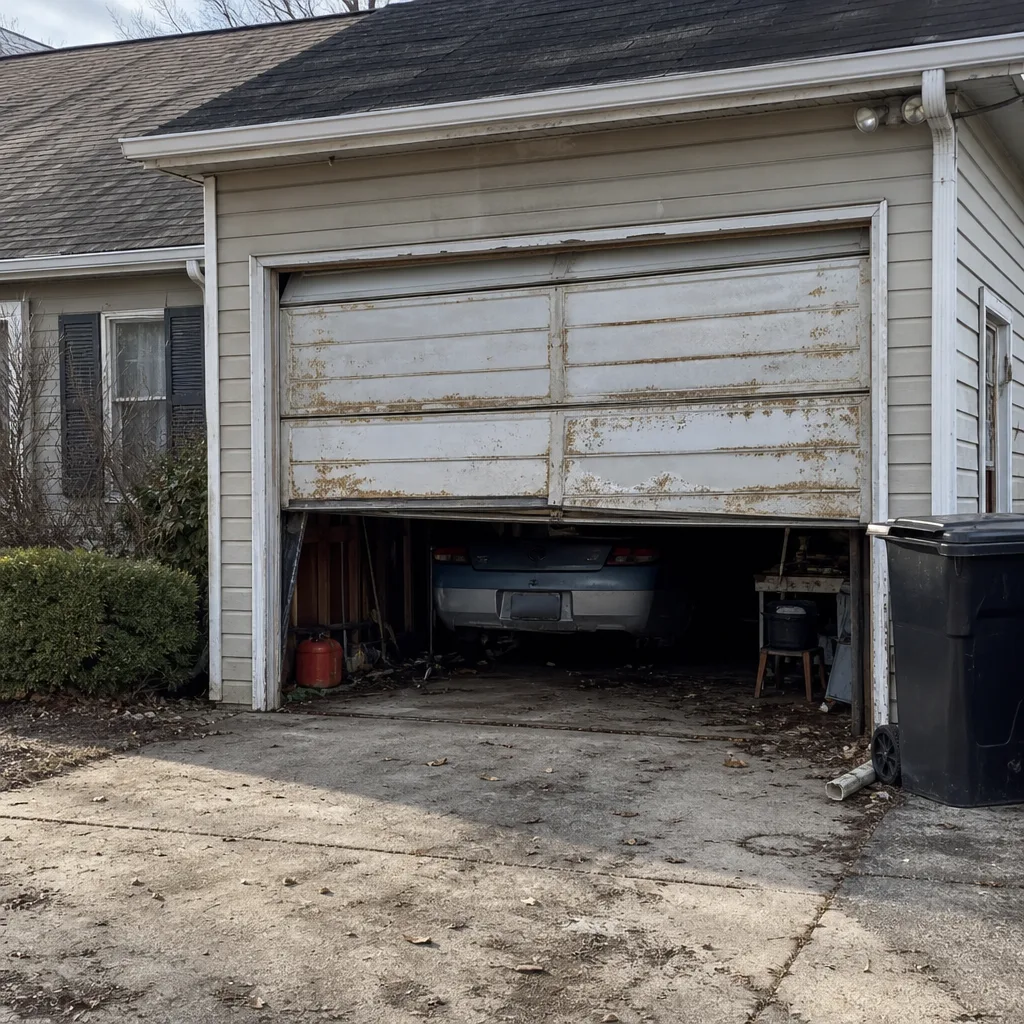
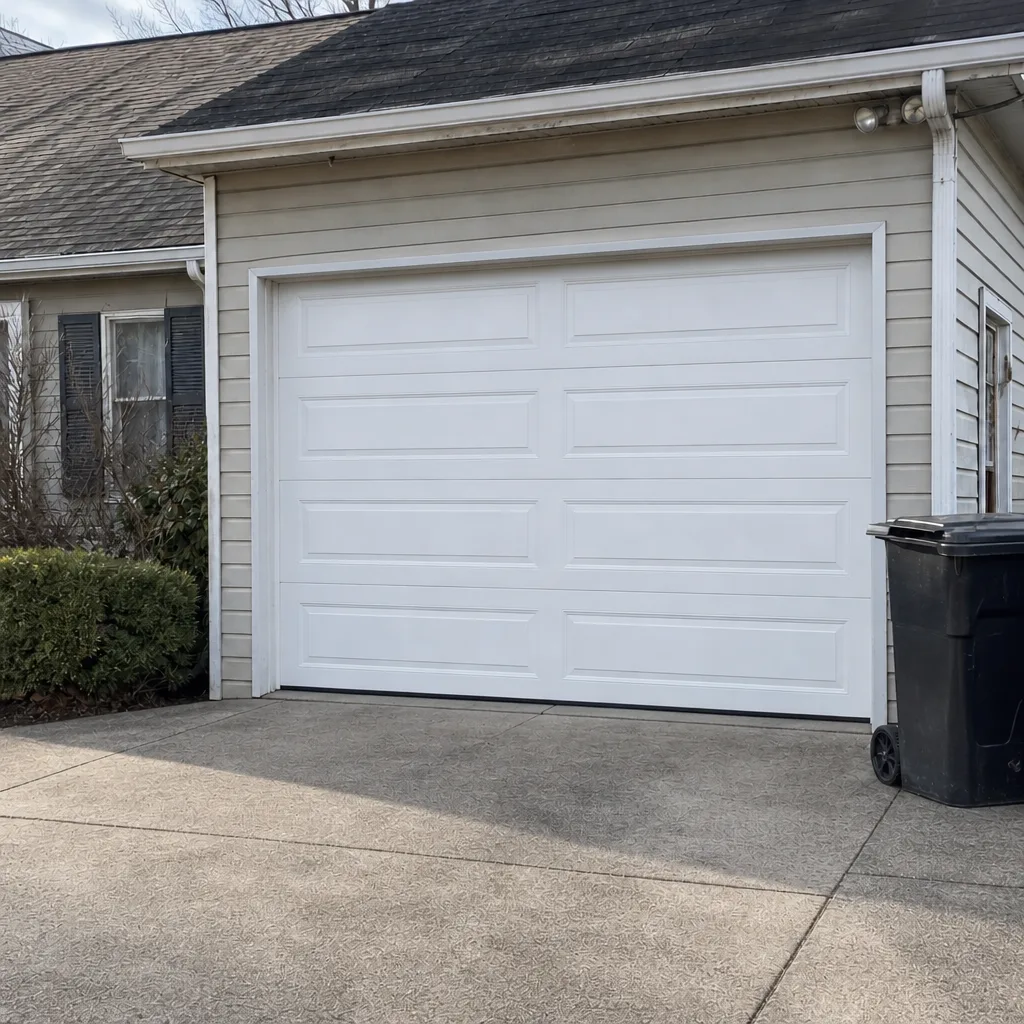
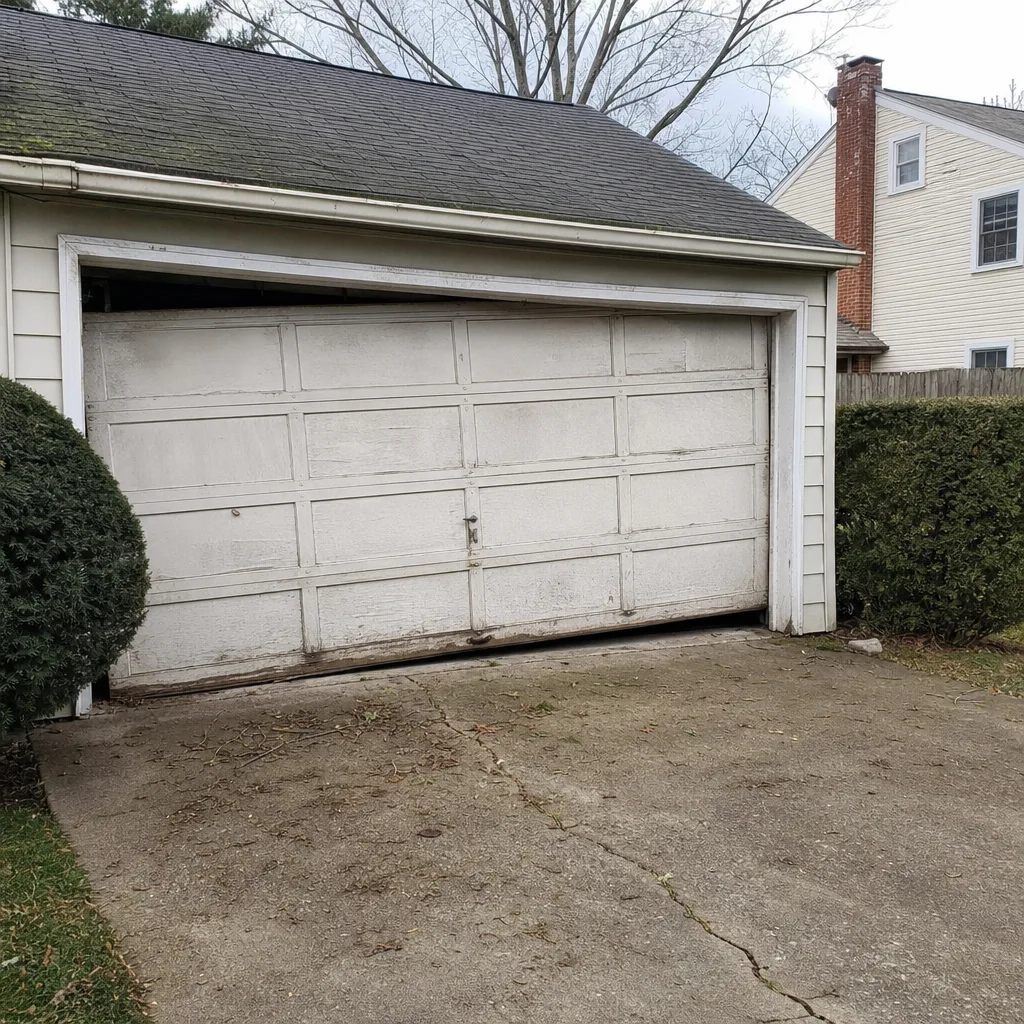
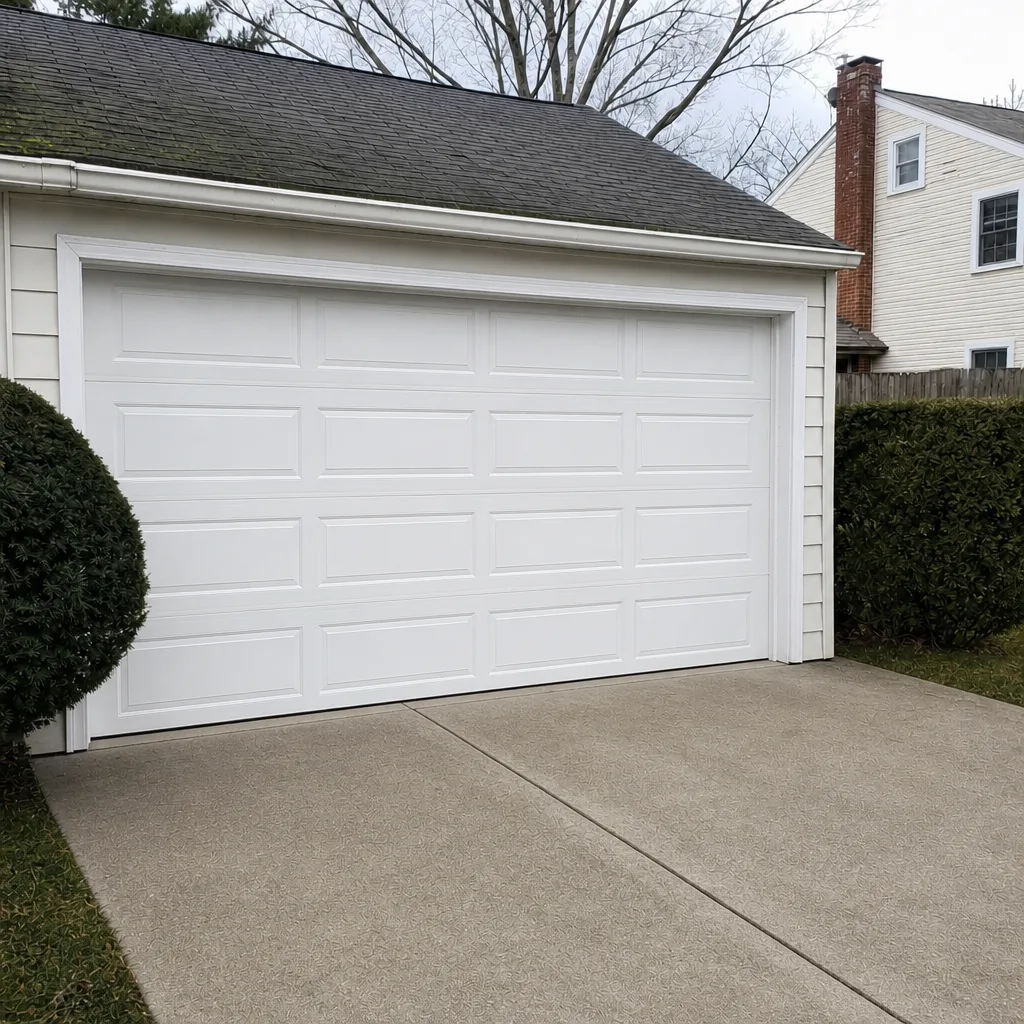
See the difference
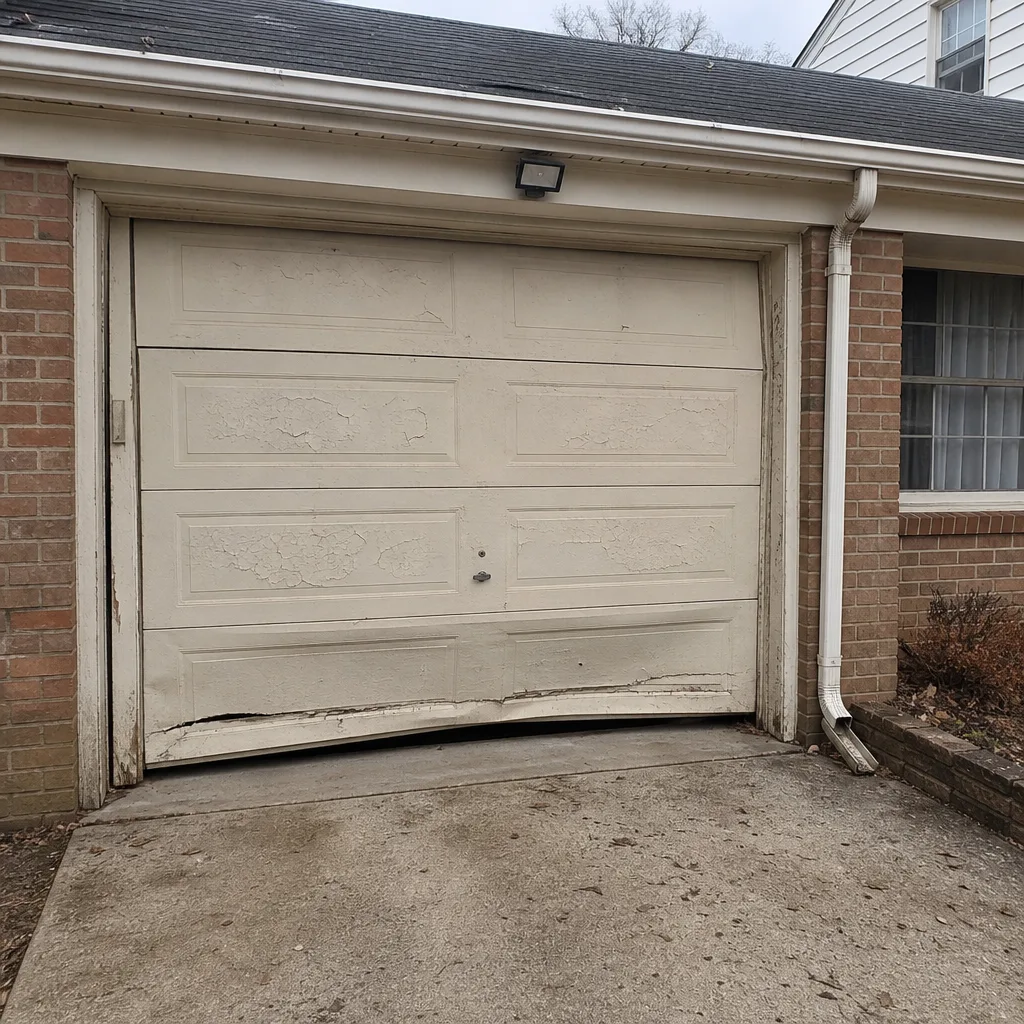 Before
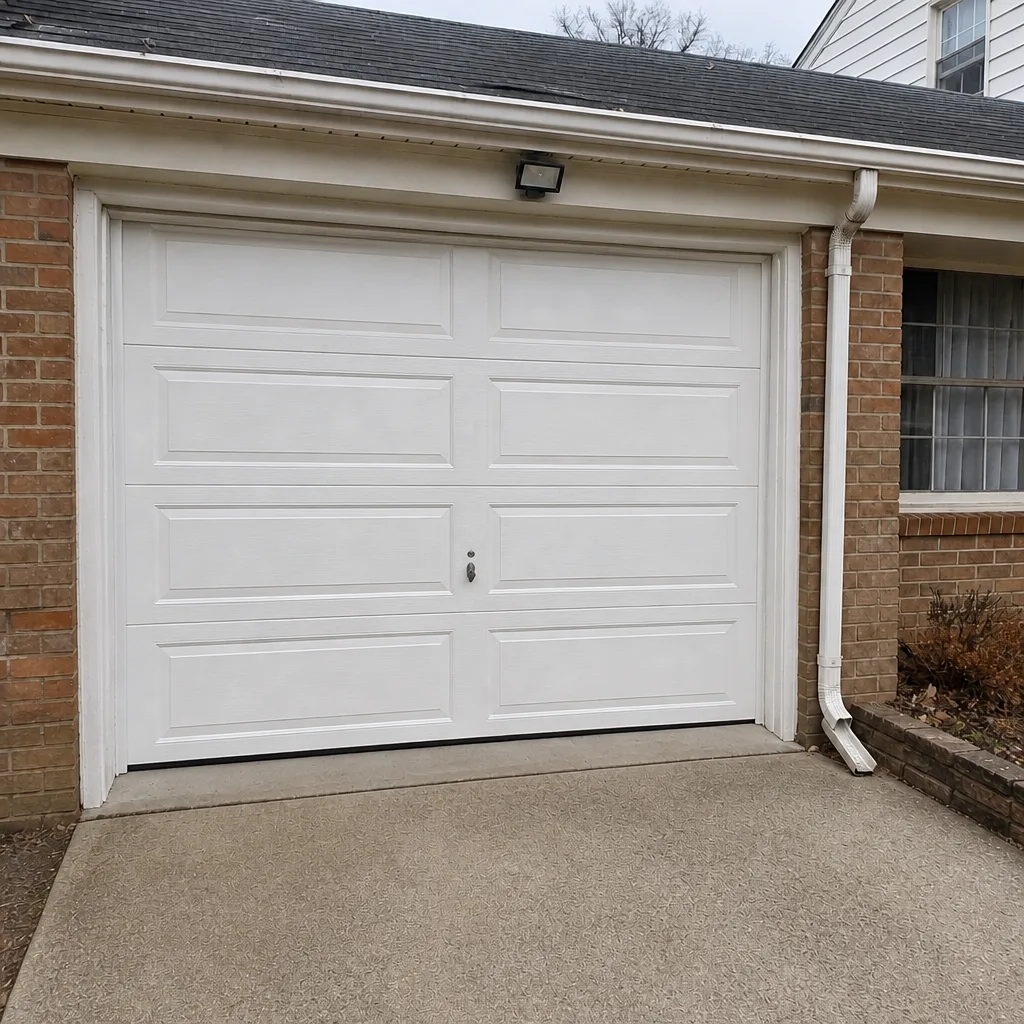 After
 Before
 After
 Before
 After
When to Call a Professional
Some problems are genuinely a phone call, and knowing where that line sits is part of a good checklist. Call a professional if the door drops hard on the balance test, if you see a broken or separated torsion spring (usually a visible gap in the coiled spring above the door), if a cable is kinked or hanging loose, if the door is visibly crooked or binds on one side, if the opener strains or stops mid-travel, or if the safety reverse fails to work. Any of these is a signal that the door needs trained hands, not more lubrication. Springs and cables in particular carry enough stored energy that they should only be handled by someone who works with them every day.
Stratford Garage Door Service offers free estimates in Washington. Call (844) 372-0752. We answer 24/7, with fast dispatch from 7am to 7pm, Sunday through Friday, and we’re closed on Saturday.
Frequently Asked Questions
Once a year for a professional inspection, plus a monthly two-minute check you do yourself, is the right rhythm for a Washington door. The yearly inspection should land in early spring, before daily use climbs and before the pollen season puts extra stress on the tracks and sensors. If the door gets heavy use, or if it’s wood rather than steel, twice a year may make sense.
A lithium- or silicone-based garage door lubricant rated for a wide temperature range is the right choice, because Washington swings from well below freezing to over 100°F in a single year. Avoid WD-40 as a long-term lubricant, motor oil, and any grease that sets hard in cold. Refresh a thin coat in late fall and again in early spring, and never put lubricant on the tracks themselves.
In Washington, summer noise usually traces back to spring pollen and humidity. Pollen collects in the tracks from April through June, and the summer humidity keeps that grit stuck to the rollers and hinges instead of letting it blow away. Wiping the tracks and cleaning the sensors in late spring, then lubricating the moving parts, quiets most doors.
You can check whether the door is balanced, but you shouldn’t adjust the spring itself. Disconnect the opener, lift the door to about waist height, and let go. If the door stays put, it’s balanced. If it drops, the spring has lost tension. Adjusting or replacing a torsion spring is a job for a trained technician, because the spring is under high tension and can cause serious injury if it releases. Call (844) 372-0752 if the balance test shows a problem; estimates are free.
Washington’s freeze-thaw cycle flexes the bottom seal repeatedly: compressed on a cold night, relaxed on a mild afternoon, over and over between December and March. That repeated flexing cracks seals at the corners faster than a climate that stays cold and stable all winter. Check the seal whenever the door is down and replace it if it cracks or flattens.
Yes, and it’s one of the most useful habits you can build. Log the date, outside temperature, balance test result, door noise, seal condition, and any repairs. A technician who sees the log can tell whether a problem has been building slowly or happened suddenly, which usually means a faster diagnosis and a smaller repair. Call (844) 372-0752 to book a professional inspection.
Working familiarity with the major brands makes a real difference, because each one has its own failure patterns and part numbers. We work with LiftMaster, Chamberlain, Genie, Clopay, Amarr, Wayne Dalton, Craftsman, and Raynor. That means whoever shows up already knows the equipment in your garage rather than reading the manual on the driveway. Call (844) 372-0752 for a free estimate.
The Bottom Line
A Washington garage door needs a checklist built for Washington: lubrication refreshed before the freeze and again before the spring rush, torsion spring tension checked with the seasonal temperature swings in mind, bottom seals inspected at the freeze-thaw seam, and tracks and sensors cleaned through the pollen season. Log every check so a technician can tell a pattern from a one-time failure. Do the monthly two-minute walk-around, book a professional inspection once a year, and call a pro without hesitation for springs, cables, and anything that binds or drops. Stratford Garage Door Service has been serving Washington since 2015, specializing exclusively in garage doors: repair, opener repair, and installation. Call (844) 372-0752. We answer 24/7, with fast dispatch from 7am to 7pm, Sunday through Friday. Every price is quoted and agreed before any work starts.
Written by the team at Stratford Garage Door Service, serving Washington since 2015.