
Last updated November 14, 2026
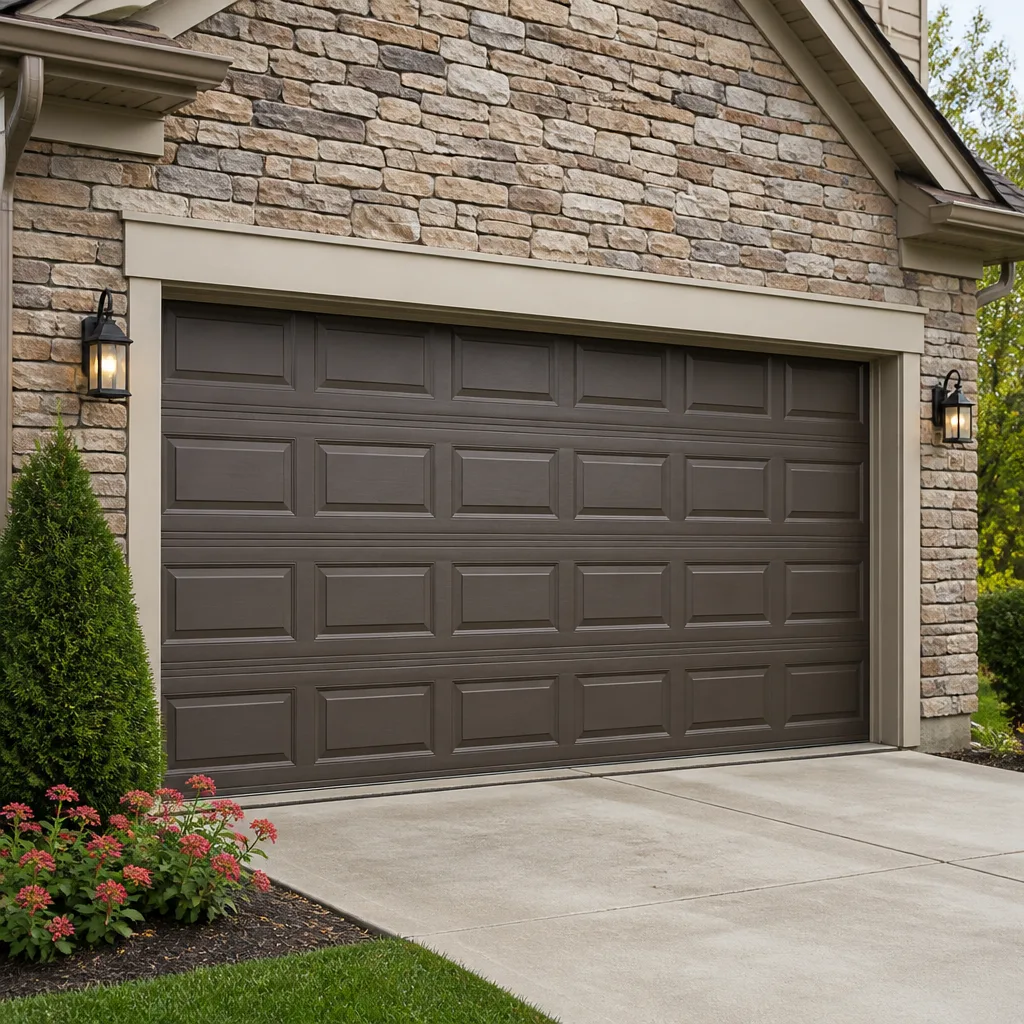 Raised-panel steel
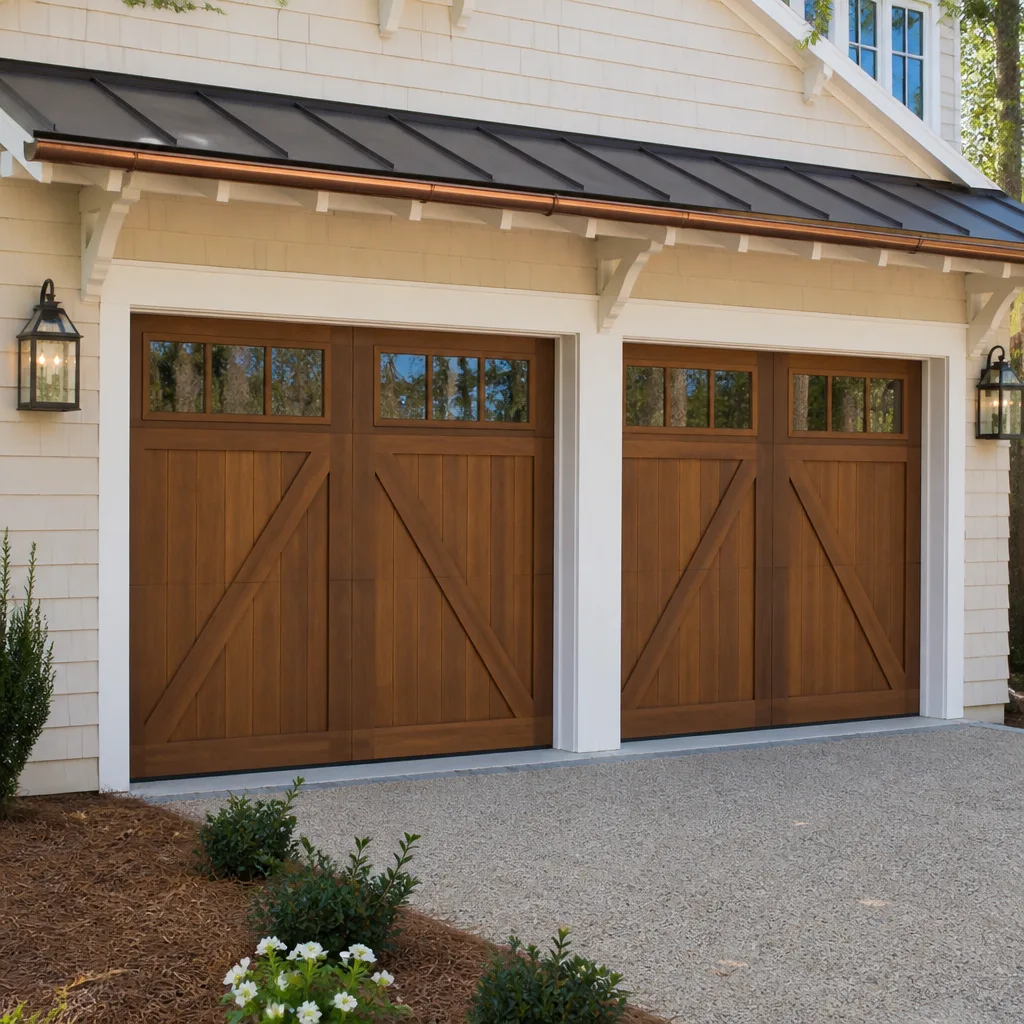 Carriage house
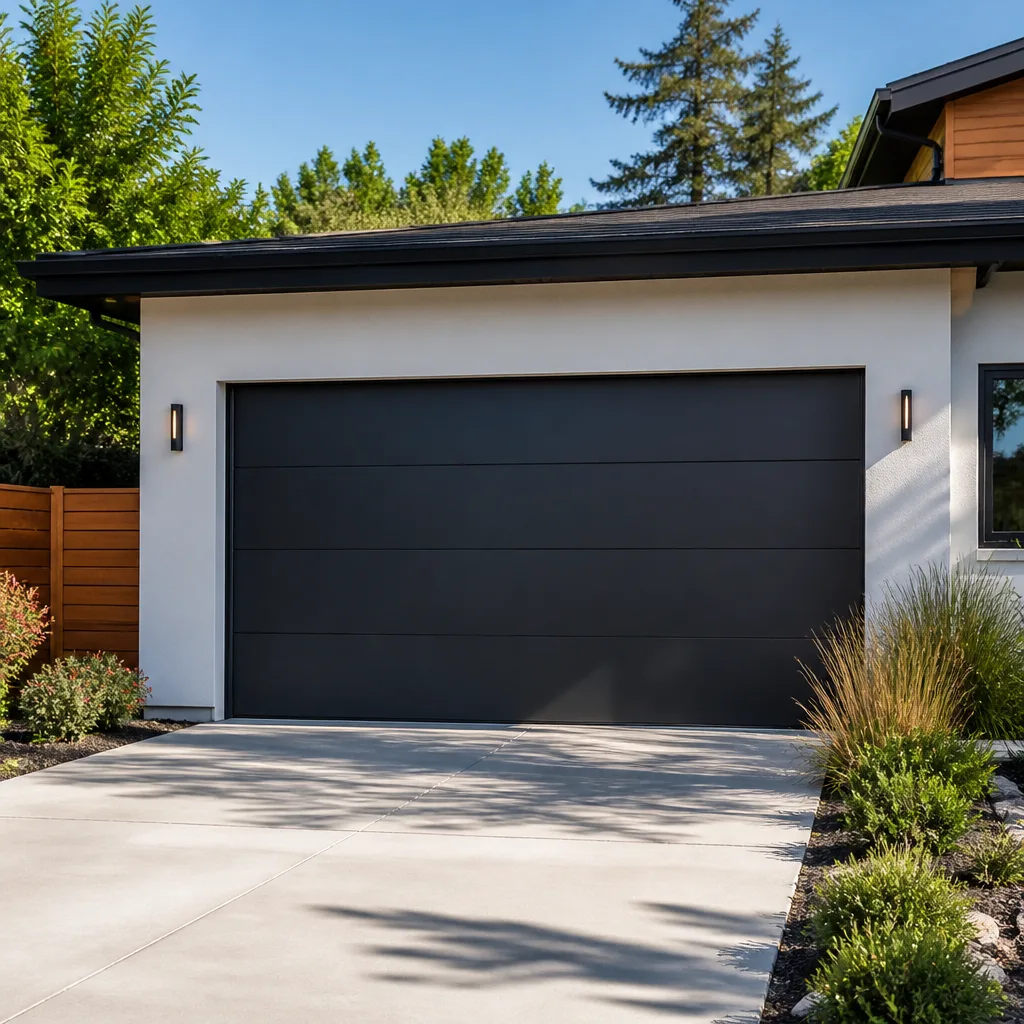 Modern flush
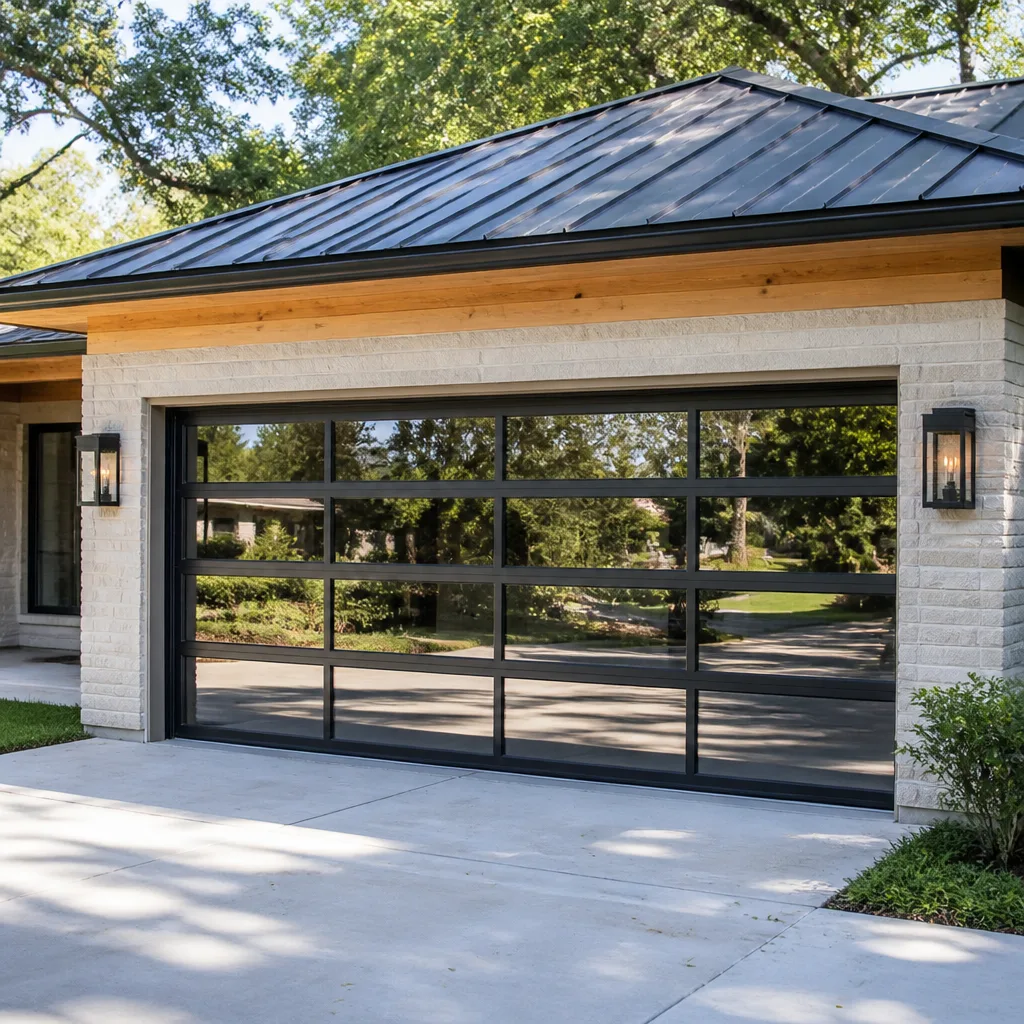 Full-view glass
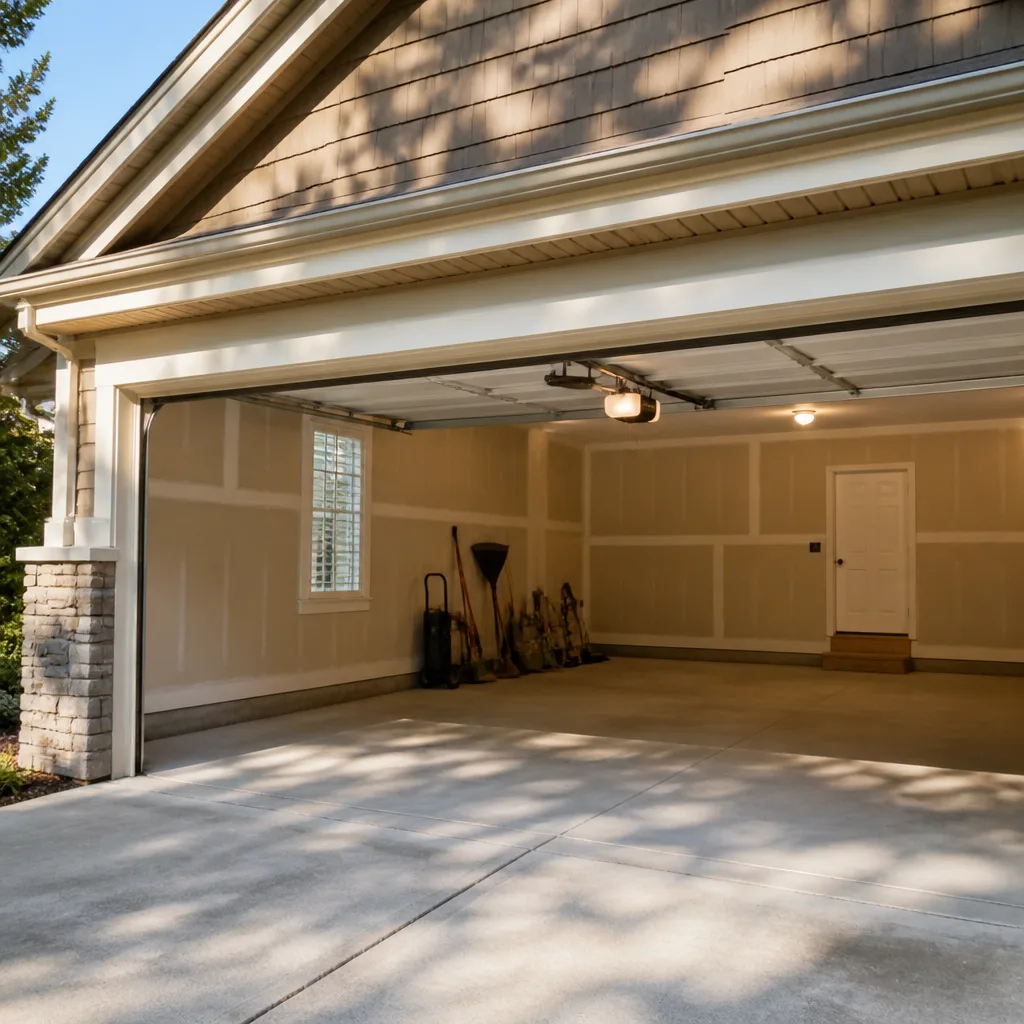 LiftMaster openers
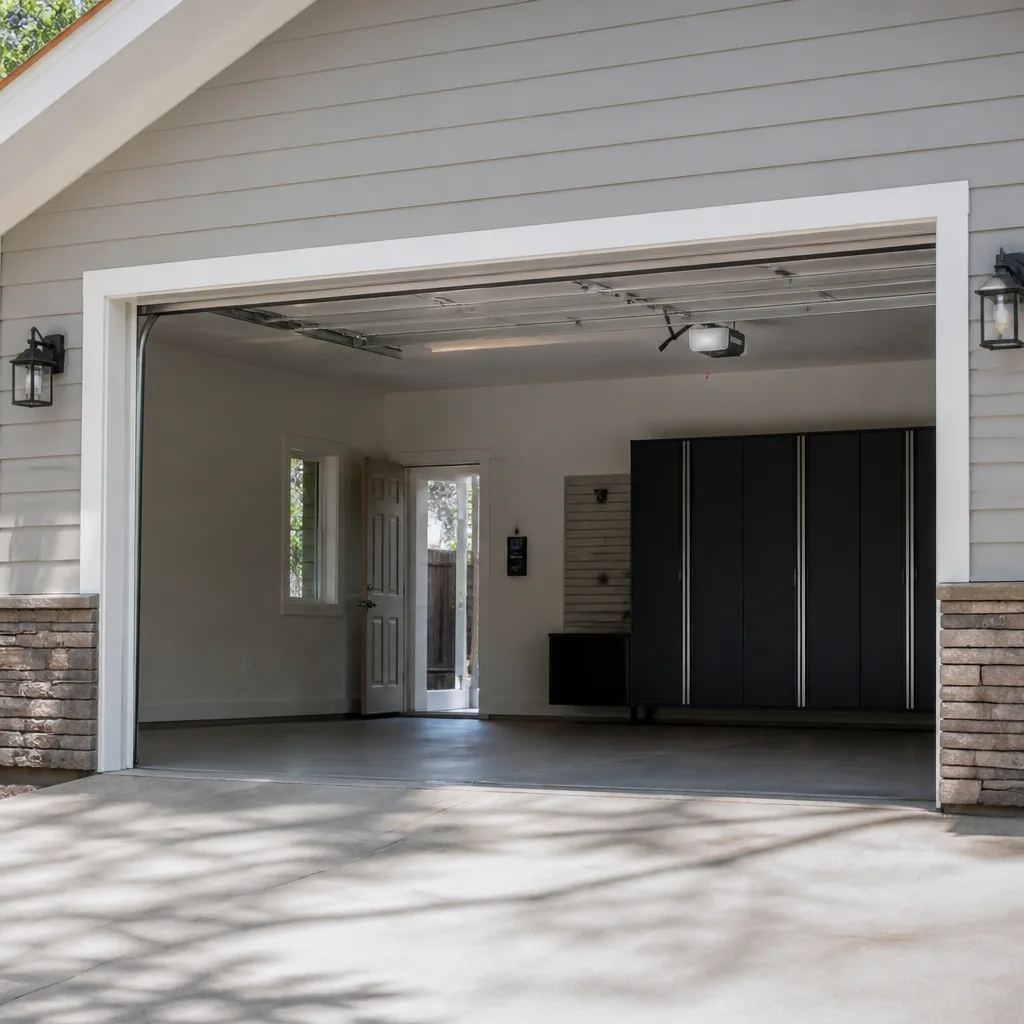 Chamberlain openers
Full 25-point door and opener safety check with every visit - springs, cables, rollers, tracks, and your LiftMaster or Chamberlain opener included
You get a price before we start. It does not change when the truck arrives.
Get your free estimateGarage Door Emergency Preparedness Guide for Washington Homes
Most homeowners treat a garage door failure like a surprise. The ones who handle it best treat it like a plan they already made. That’s the counterintuitive part: the difference between a two-hour inconvenience and a ruined morning isn’t luck, it’s whether you knew where the manual release cord was before the spring broke. This guide is built for Washington homes, where alley-load garages, tight lots and frequent severe weather create failure modes you won’t read about in a generic manual. We’ll cover how to release a door safely, what to do when it won’t close, how storms change the picture, and exactly what to have ready when you call for help.
Quick Answer
Before anything else: if a spring or cable is visibly broken, do not force the door and do not stand under it. Pull the manual release only when the door is fully closed or the hardware looks intact, secure the opening if the door won’t shut, and call a garage door specialist. In Washington, the fastest path to a working door is a call to a company that already knows your brand and your opener type, because diagnosis starts before the technician arrives.
Styles & brands we work with
- Raised-panel steel
- Carriage house
- Modern flush
- Full-view glass
- LiftMaster openers
- Chamberlain openers
Table of Contents
- The Three Types of Garage Door Emergencies in Washington
- How to Use the Manual Release (and When Not To)
- What to Do When Your Door Won’t Close
- Storm Damage: What to Inspect and What Never to Operate
- Getting Your Car Out When the Door Is Stuck
- What to Have Ready When You Call for Help
- Building Your Pre-Season Preparedness Plan
- Common Mistakes to Avoid
The Three Types of Garage Door Emergencies in Washington
Not every garage door problem is the same kind of problem, and treating them identically is where people get hurt or lose time. In our experience across Washington, failures sort into three categories, and each one calls for a different first move.
1. Mechanical failures that strand a car
This is the broken spring, the snapped cable, the opener that grinds and stops. The door won’t move, or it moves a few inches and hangs. Nobody is in danger, but your vehicle is trapped and your day is now different. The priority is getting the car out safely, not forcing the door up.
2. Security failures that leave the home exposed
A door that won’t close is a different animal. Your garage is open to the alley or the street, and in a dense city like Washington that’s a real exposure. The priority here is securing the opening and getting a technician scheduled. This isn’t a “wait until tomorrow” situation.
3. Storm-related failures
High-wind events hit the Washington region multiple times per decade, and a derecho or a strong line of storms can bend a track, twist a panel, or drop debris against the door. Storm damage is the category where people most often make things worse by trying to operate a door that shouldn’t move. The priority is inspection before operation.
Knowing which category you’re in takes thirty seconds and saves you from the wrong first move. A spring failure and a security failure look similar from the driver’s seat and require completely different responses.
How to Use the Manual Release (and When Not To)
The manual release is the single most useful piece of knowledge in this entire guide. Every opener has one, and most homeowners have never touched theirs. Here’s how it works across the opener types we see most in Washington homes.
Where the release is
On nearly every residential opener, the release is a cord with a handle hanging from the carriage that rides the rail. On LiftMaster and Chamberlain units it’s the red or yellow handle. On Genie and Craftsman models it’s usually a similar cord near the trolley. The location is consistent: look up at the rail, find the carriage, follow the cord down.
The standard release procedure
- Make sure no one is standing under or near the door.
- If the door is fully closed, pull the release cord straight down and toward the opener. The carriage disengages and the door is now on manual.
- Lift the door slowly by hand. A properly balanced door should lift with modest effort and stay where you put it.
- Move the car out. Don’t leave the door partway open longer than you need to.
- To re-engage, close the door fully by hand, then run the opener once so the carriage reconnects.
The partially-open problem
This is where people get into trouble. If the door is stuck partway open and you pull the release, the door becomes a free-hanging weight on its springs. A door that’s balanced will hold. A door with a broken spring will drop fast and hard. Before you pull that cord on a partially-open door, look at the springs above the door and the cables along the sides. If either is visibly broken, frayed or hanging loose, do not pull the release. Call a professional and leave the door where it is.
Doors stuck partially open are also the trickiest to diagnose remotely, because the symptom could be a broken spring, a bound track, or an opener that has lost its travel limits. When you call for garage door repair, tell the technician exactly how far the door opened before it stopped. That detail shortens the diagnosis considerably.
Safety note: Springs, cables and the brackets that hold them are under extreme tension. Never try to adjust, cut or remove a spring or cable yourself. That work belongs to a trained technician, and a mistake there can cause serious injury.
What to Do When Your Door Won’t Close
A door that won’t close is a security problem first and a repair problem second. In Washington’s urban neighborhoods, an open garage faces an alley or a street with foot traffic, and the exposure window matters. Handle the security piece before you handle the repair.
Immediate security steps
- Get the car out if it’s inside and you need it, then move it clear.
- If the door is open and won’t close, pull the manual release if the hardware looks intact and lower the door by hand until it’s fully shut. Then disengage the opener so it can’t try to open it again.
- If the door truly won’t close, block the opening from the inside with whatever you have: a vehicle parked across it, a heavy piece of furniture, or a temporary barrier. This is a stopgap, not a fix.
- Check the obvious before you call: the photo-eye sensors at the bottom of the tracks are the most common cause of a door that reverses or refuses to close. If something is blocking them or they’ve been knocked out of alignment, that alone can solve it.
- Look at the track for anything bent or obstructing the path of the door.
When it’s more than sensors
If the sensors are clear and aligned and the door still won’t close, the cause is usually in the opener’s travel limits, a failed safety sensor, or a mechanical bind in the track or hinges. On the smart-home-compatible openers we work with most, the wall control or the app will often flash a diagnostic code. Note what it says. That code tells a technician which garage door opener repair path to take before they arrive.
Don’t leave a door propped open overnight hoping it’ll work in the morning. Get it secured and get it scheduled.
Storm Damage: What to Inspect and What Never to Operate
The Washington region gets hit by severe wind events multiple times per decade, and a garage door is one of the largest, lightest surfaces on a house. It catches wind, and it takes damage that isn’t always obvious from the driveway. After a storm, inspect before you operate.
What to inspect after high winds
- Panels: Look for dents, creases or panels that have popped out of their hinges. A Clopay or Amarr door with a bent panel can bind as it travels.
- Tracks: Run your eyes down each vertical and horizontal track. Any bend, kink or separation from the jamb is a stop sign.
- Springs and cables: Look for a gap in a spring or a cable that’s jumped its drum. If you see either, don’t run the opener.
- Debris: Branches, yard waste and storm debris against the door are common after a wind event. Clear it before operating.
- Alignment: Stand back and look at the door as a whole. A door that’s racked or sitting crooked in the opening shouldn’t be run.
What never to operate after a storm
If a track is bent, a panel is creased, or a cable looks wrong, don’t run the opener to “see if it works.” A door that’s out of alignment under power can tear itself off the tracks or drop a panel. Leave it closed, leave it alone, and get it looked at. This is the category where a small storm problem becomes a large one because someone pressed the button.
Storm damage is often covered differently by different insurers, and we can work with your insurer on documentation if you need it. What we won’t do is tell you a door is fine when it isn’t. A Wayne Dalton panel that looks okay from ten feet can have a hinge separation you can’t see without a ladder.
Getting Your Car Out When the Door Is Stuck
Here’s the practical part: your car is inside, the door won’t open, and you need to leave. The manual release is your tool, with one hard caveat.
- Inspect first. Look at the springs above the door and the cables at the sides. Broken spring or cable means stop.
- If the hardware looks intact, pull the release cord down and toward the opener.
- Lift the door by hand. Balanced doors lift easily. If you have to fight it, stop and call.
- Prop or hold the door open while you back the car out. Don’t walk away from an open manual door.
- Lower it slowly back to closed, then re-engage the carriage.
The caveat: if you can see a broken spring, a snapped cable, or a door that’s visibly off its tracks, do not force it. A door with a failed spring can weigh far more than it should, and the risk of it coming down on a person or a car isn’t worth it. In that case, call for help and arrange the rest of your day around the repair. On the openers we see most in Washington homes, the release mechanism is designed to be pulled by hand from the floor, but the door’s condition determines whether that’s safe.
If your car is blocked and the door can’t be safely opened, one practical option is to open the door from the service door on the side of the garage and inspect from inside. Never climb over or around a door that’s in a failed state.
What to Have Ready When You Call for Help
The call goes faster when you have the right information at hand. Have these ready before you dial, and the diagnostic clock starts the moment a technician answers.
Model number location
For the opener, the model and serial number are usually on a label on the back or underside of the motor head, or on the side of the rail housing. Take a photo with your phone if you can reach it. For the door itself, the manufacturer label is often on the inside of the bottom panel or on the vertical stile, and it tells the technician which brand and series they’re dealing with. If you know you have a Clopay, an Amarr, a Wayne Dalton or a Genie unit, say so. Our technicians are already familiar with those lines, and it saves a step.
Symptom description
- What the door did last, in order: opened partway and stopped? Reversed? Made a sound?
- Whether the opener light is on, flashing, or dead.
- Whether you’ve already pulled the manual release.
- Any diagnostic code from the wall control or app.
Access instructions for alley-entry garages
Many Washington homes have garages that open onto an alley rather than a driveway, and the address on the street doesn’t match where the garage actually is. Tell the dispatcher where the garage entrance sits, how to reach it, and whether there’s a gate, a shared drive or a restricted access point. If the technician has never been to your address, this saves the most time of anything you can tell them.
When you’re ready to call, the number is (844) 372-0752. We answer 24/7.
Building Your Pre-Season Preparedness Plan
The best time to plan for a garage door emergency is when nothing is wrong. A short walkthrough twice a year, before summer storm season and before winter, covers the majority of what fails.
Your twice-yearly checklist
- Locate the manual release cord and confirm you can reach it without a ladder. Show everyone in the household where it is.
- Test the door balance by disengaging the opener and lifting the door halfway by hand. It should hold. If it drifts down, the springs are losing tension.
- Test the photo-eye sensors by blocking them and confirming the door reverses. If it doesn’t, that’s a repair before it becomes an emergency.
- Look at the springs, cables, rollers and hinges for wear, rust or fraying.
- Lubricate the moving parts of the door itself with a proper garage door lubricant, not WD-40.
- Test your opener’s battery backup if it has one, and replace the remote batteries.
- Check the weather seal at the bottom of the door. A failed seal lets water in during Washington’s heavy rain events.
While you’re doing this, note the brand and model of your door and opener somewhere you can find it later, like a note on your phone or the inside of the garage door frame. If you’re ever considering a replacement, knowing the current setup means you’re comparing like with like when you look at new Stratford Garage Door Service options. Our team works across the major door and opener lines, so the conversation starts with what you already own.
For most Washington homes, a garage door is the largest moving object on the property, and it operates multiple times a day. A twice-yearly inspection is a small effort for something that carries that much use.
Common Mistakes to Avoid
- Pulling the release on a door with a broken spring. If you can see a gap in a spring or a frayed cable, don’t pull the cord. The door can drop fast and hard on a person standing under it.
- Pressing the opener after storm damage to “test” it. A bent track or creased panel under power can tear itself off the rails. Inspect first, then operate only if everything looks right.
- Walking away from a door that won’t close. In Washington’s denser neighborhoods, an open garage facing an alley is an exposure you don’t want to leave for hours. Secure it first, then schedule the repair.
- Using WD-40 on the springs and rollers. It attracts dirt and gums up the hardware. Use a garage door-specific lubricant on the moving parts.
- Skipping the photo-eye check. A huge share of “my door won’t close” calls are a misaligned or blocked sensor, which takes a minute to check before you call anyone.
- Buying a new opener when the door is the problem. A binding track or worn hinge can make a perfectly good opener struggle. Diagnose the whole system, not just the motor.
- Not knowing the brand. When you call, knowing whether you have a LiftMaster, Chamberlain, Genie or Craftsman opener gets you a faster, more accurate answer.
See the difference
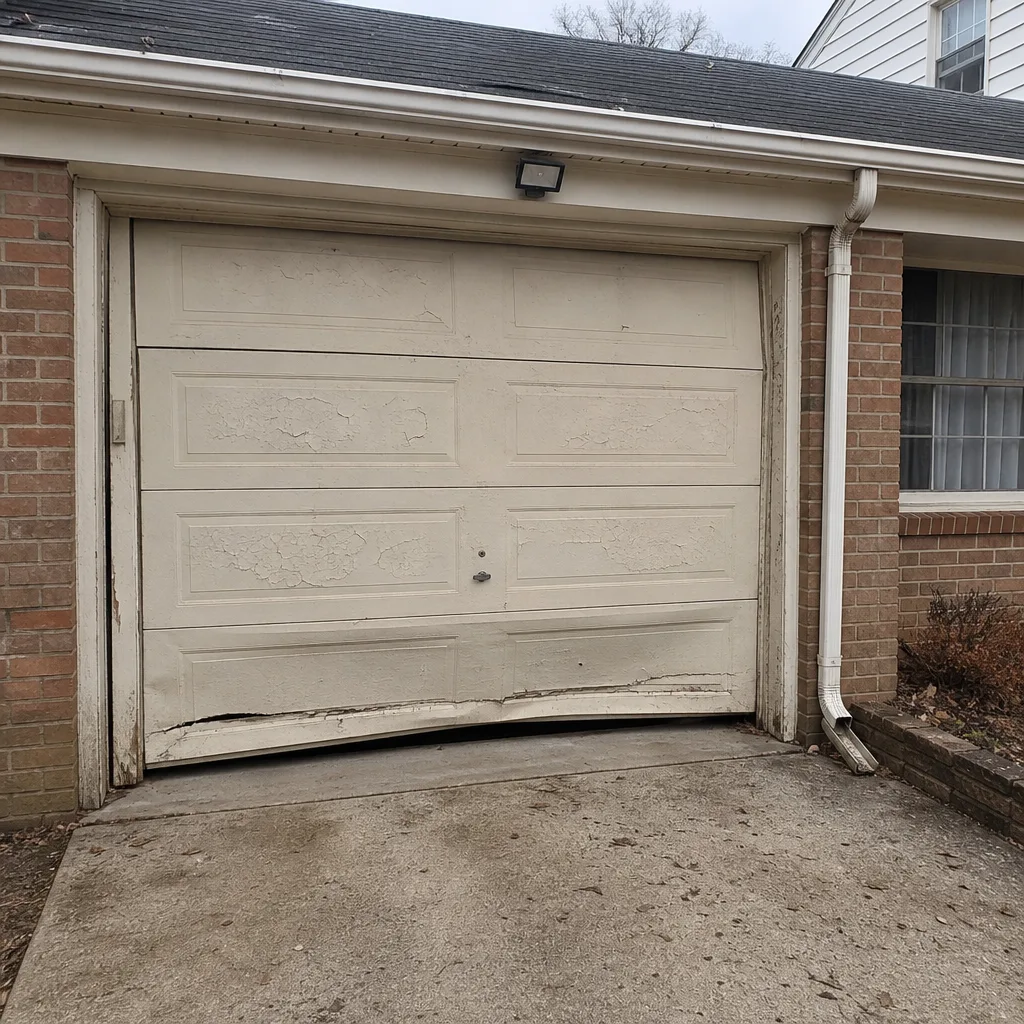 Before
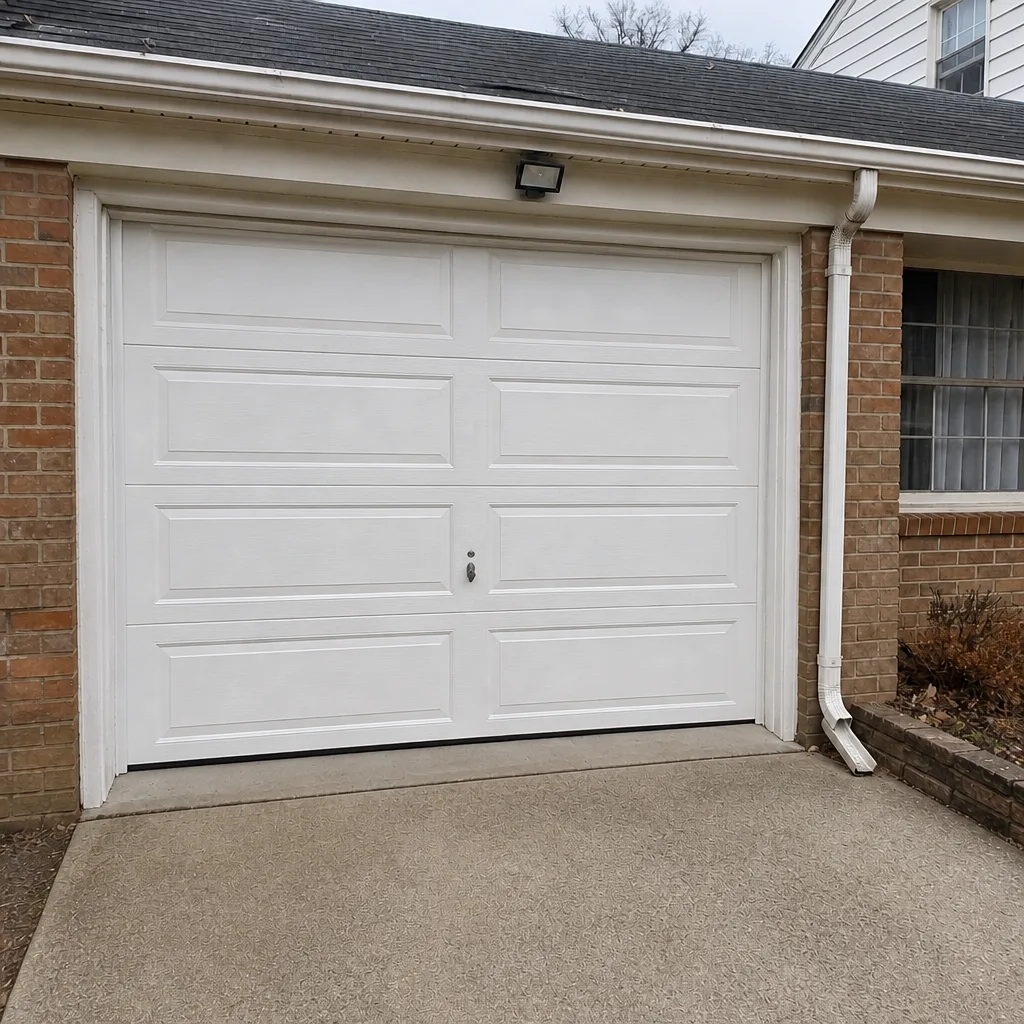 After
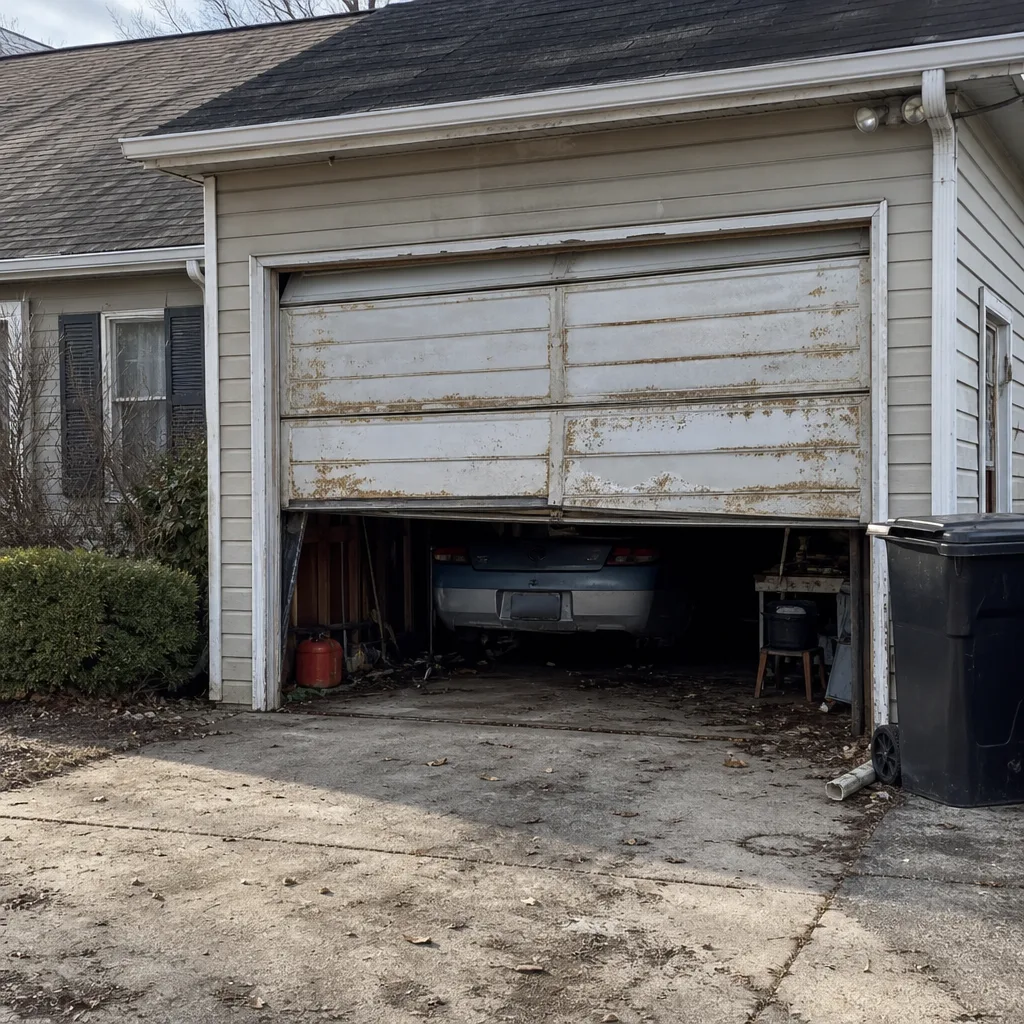 Before
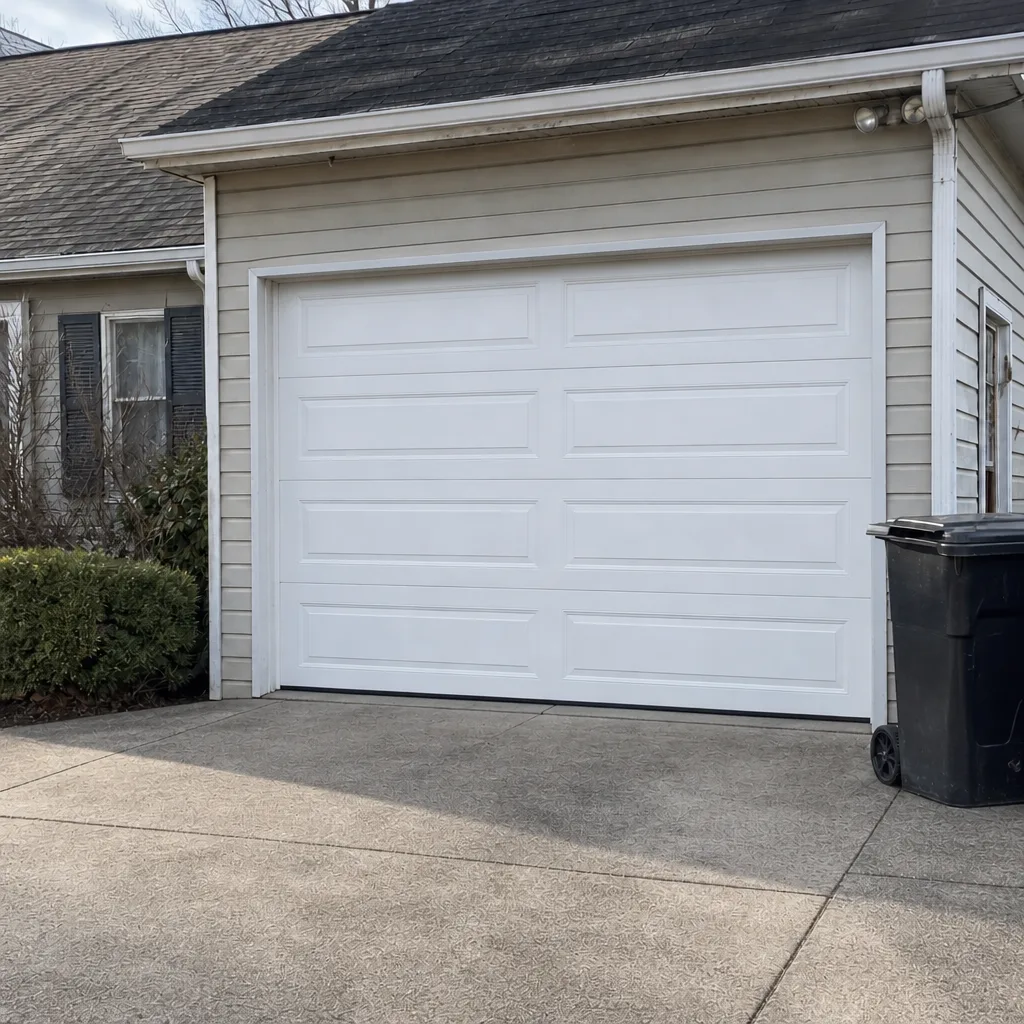 After
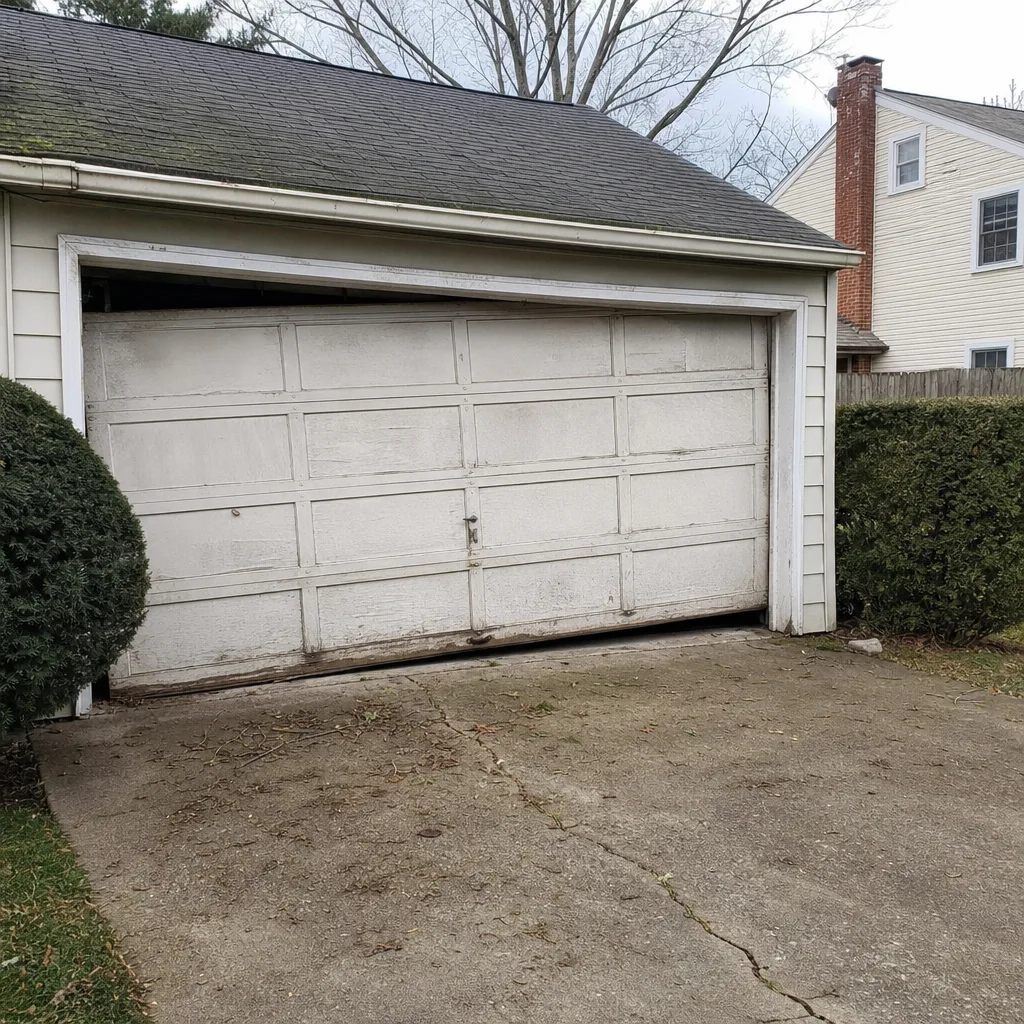 Before
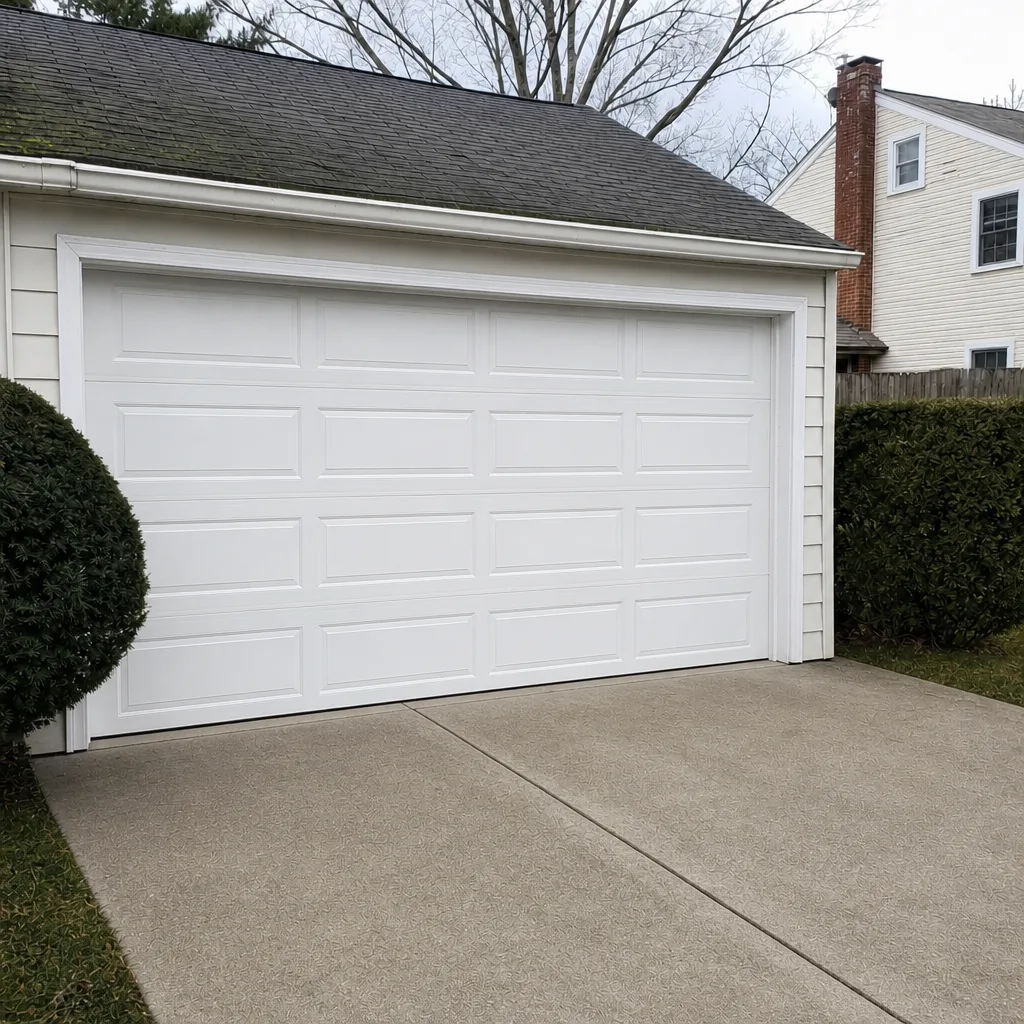 After
When to Call a Professional
Call a professional if a spring or cable is broken or frayed, if the door is off its tracks, if the door won’t close and the sensors aren’t the cause, if the opener hums without moving the door, or if anything about the door’s movement feels unsafe. Those are the situations where a trained eye saves you time and money compared with guesswork. For homeowners in Washington who want to understand what to expect before calling, our Washington service page covers the basics. Stratford Garage Door Service offers free estimates in Washington. Call (844) 372-0752. We answer 24/7. Fast dispatch from 7am to 7pm, Sunday through Friday.
Frequently Asked Questions
Yes, if the door’s hardware is intact. Pull the manual release cord at the opener’s carriage, then lift the door slowly by hand. If the door feels heavy or won’t hold its position, stop; something is wrong with the springs, and it needs a technician.
Check the photo-eye sensors at the bottom of the tracks. A blocked or misaligned sensor is the most common reason a door reverses or refuses to close. Clear anything in front of them and make sure they face each other. If they’re clear and the door still won’t close, secure the opening and call for repair.
No. A door with a broken spring can weigh far more than it should and can come down without warning. Do not force it open or climb under it. Call a specialist and leave the door closed.
Have the opener’s model number, the door brand if you know it, a description of what the door did and in what order, any diagnostic code, and clear directions to the garage itself, especially if it opens onto an alley. That’s the set of things that gets a technician to a correct diagnosis fastest.
Yes. A bent track, a separated hinge or a slightly out-of-line panel can be hard to spot from the driveway but will cause a door to bind or come off the tracks under power. After a high-wind event, inspect the door before you run it, and have it looked at if anything looks off.
Pull the manual release if the hardware is intact and lower the door by hand, then disengage the opener so it can’t try to open it again. If the door truly won’t shut, block the opening from the inside with a vehicle or heavy object as a stopgap and call for repair. In Washington’s denser neighborhoods, an open garage facing an alley shouldn’t be left overnight.
The Bottom Line
The three categories of garage door emergency in Washington – mechanical, security and storm – each call for a different first move. Know where your manual release is, know when not to pull it, and know how to secure an opening that won’t close. Check the photo-eye sensors before you call anyone, and have your model numbers and access instructions ready when you do. A little preparation now turns a 7am spring failure from a crisis into a phone call. When you need help, call (844) 372-0752 for a free estimate. We answer 24/7, with fast dispatch from 7am to 7pm, Sunday through Friday.
Written by the team at Stratford Garage Door Service, serving Washington since 2015.