
Last updated November 14, 2026
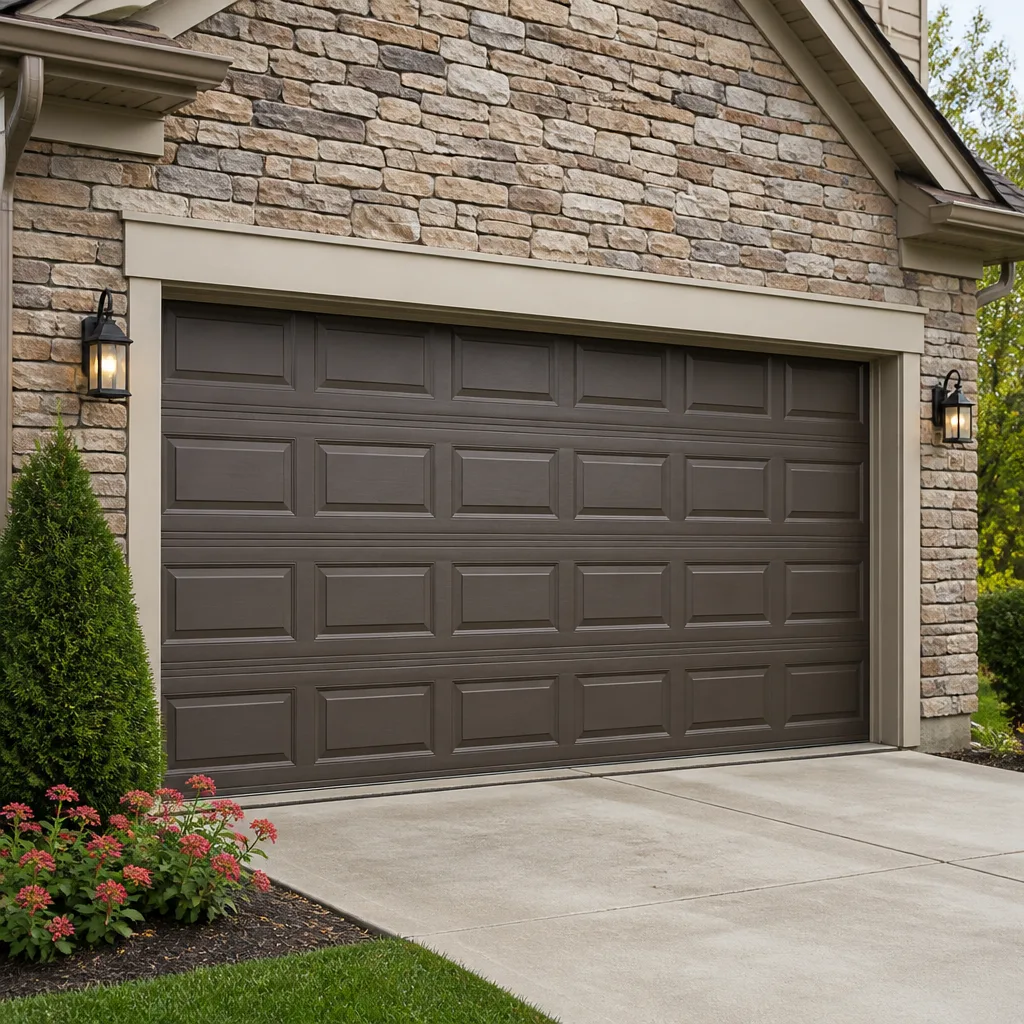 Raised-panel steel
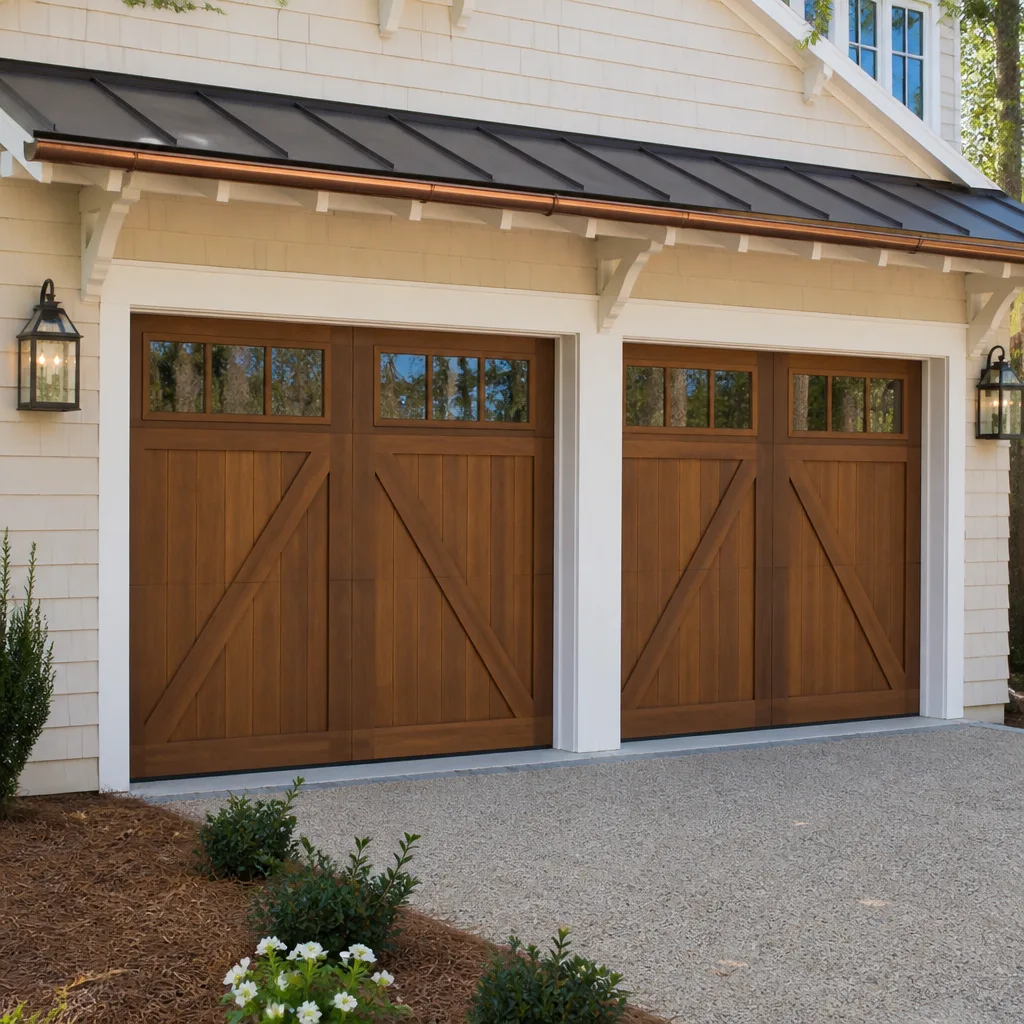 Carriage house
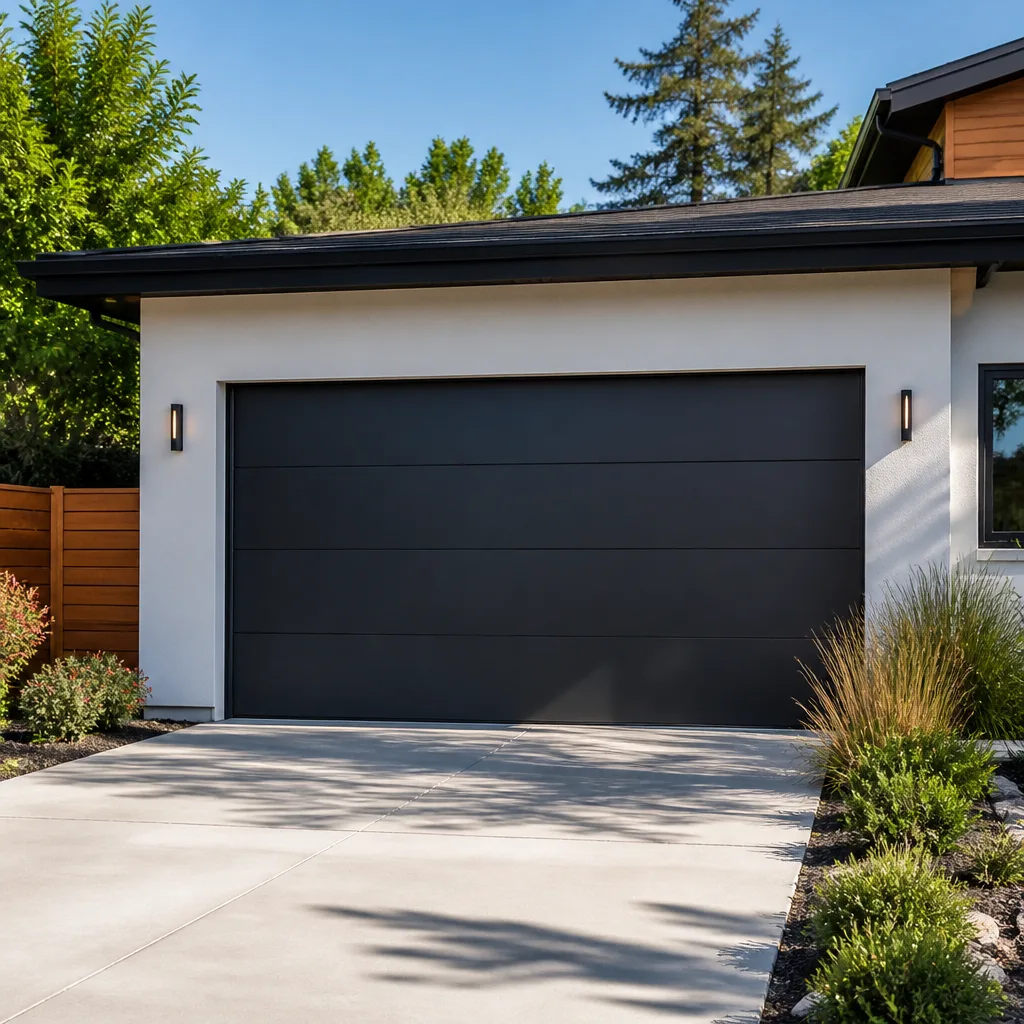 Modern flush
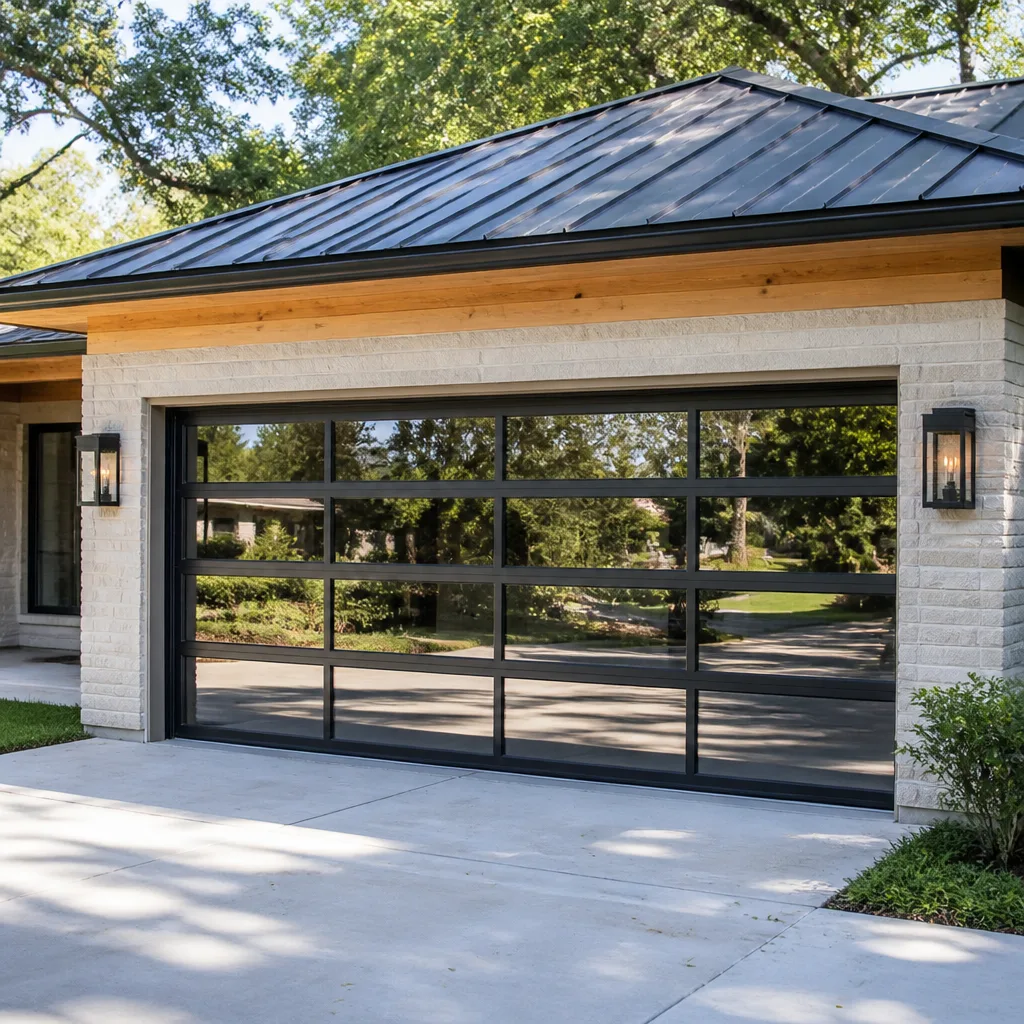 Full-view glass
 LiftMaster openers
 Chamberlain openers
Full 25-point door and opener safety check with every visit - springs, cables, rollers, tracks, and your LiftMaster or Chamberlain opener included
You get a price before we start. It does not change when the truck arrives.
Get your free estimateSeasonal Garage Door Care for Washington: Year-Round Homeowner’s Guide
Most homeowners here treat garage door maintenance like a January chore. It isn’t. September is the most important month on the Washington calendar, because everything that fails in February was already failing in October. An unsealed bottom gap, a lubricant that has thinned out over a humid summer, a cable with one frayed strand: none of these announce themselves in warm weather, and all of them become a broken door the first week the temperature drops below freezing consistently. This guide is built around that calendar rather than generic quarterly checklists. You’ll learn which two seasons do the damage, which two are your window to prevent it, and how to tell a cold-weather quirk from a mechanical problem that needs a specialist before it gets worse.
Quick Answer
Garage doors in Washington take the most wear in summer humidity and winter freeze-thaw, and the cheapest protection is a September pre-winter inspection plus a mid-summer hardware check. Seal the bottom and perimeter, lubricate the moving metal, and check cable and spring condition before the first hard freeze, then clear pollen and grit from tracks and sensors after the spring peak. Anything involving springs, cables or high-tension hardware should go to a trained technician rather than a homeowner with a ladder.
Styles & brands we work with
- Raised-panel steel
- Carriage house
- Modern flush
- Full-view glass
- LiftMaster openers
- Chamberlain openers
Table of Contents
- Why September Is the Most Important Month for Your Garage Door
- Summer Humidity and What It Does to Springs and Hardware
- Freeze-Thaw Cycles and the Bottom Seal Problem
- Spring Pollen, Grit and Your Track and Sensor Protocol
- Cold-Related or Mechanical? How to Tell the Difference
- The Washington Seasonal Care Calendar, Season by Season
- Why Brand Familiarity Changes the Diagnosis
- When to Call a Professional
Why September Is the Most Important Month for Your Garage Door
Ask most homeowners when to think about their garage door and they’ll say January, once something sticks. By then it’s too late. September is the intervention window in Washington because it sits between the two damage seasons: the humidity has done its work, and the freeze-thaw cycle hasn’t started yet. Whatever you fix now holds through winter. Whatever you leave gets tested by every freeze.
The September protocol has three parts, and they’re all about what happens when temperatures drop below 32°F consistently.
- Seal the envelope. Check the bottom seal along its full length by closing the door on a piece of paper and pulling gently. If the paper slides out easily at any point, that’s a gap. Do the same at the sides and top with the weatherstripping. Cold air entering at the bottom edge is where ice forms first.
- Lubricate what moves. Hinges, rollers, the torsion bar bearings and the opener’s rail and chain all take lubricant designed for garage door hardware. Summer heat thins and migrates lubricant; by September some pivots are running closer to dry than you’d expect. A proper garage door lubricant, not household oil, is what holds up through the cold.
- Tension-check by observation, not by hand. Look at the springs for gaps or visible separation in the coils, and at the cables for frayed strands or slack. Don’t try to adjust tension yourself. Torsion springs are under enough load to cause serious injury, and this is the one part of the September checklist a trained technician should handle.
That last point matters more than the other two combined. A spring that looks fine in September and fails in January at seven in the morning, with the car inside, is a very different morning than one caught during a fall inspection. Our garage door repair calls spike in the first cold snap every year for exactly this reason.
One more September item specific to Washington: if your garage is attached and shares a wall with living space, check the door’s closing force and the opener’s safety reverse. Doors that have slowly stiffened over a humid summer can trip the opener’s force limit before they trip the reversal sensor, and that’s a testable problem worth catching before you’re leaning on the remote in the cold.
Summer Humidity and What It Does to Springs and Hardware
Washington summers regularly sit at 70 to 80 percent relative humidity, and that has a specific consequence: unprotected steel in a garage that isn’t climate-controlled rusts faster here than in drier cities at the same temperature. Torsion springs are the component most affected, because the wire is thin, the load is constant, and rust pits the surface in a way that becomes a fatigue point.
A mid-summer inspection should focus on the following, and it’s worth doing in July or August rather than waiting for fall.
- The springs themselves. Look for rust bloom, especially on the lower coils where condensation sits, and for any gap or separation. Rust-colored dust on the torsion bar or on the door below the springs is a signal worth a professional look.
- Hinges and roller stems. These take humidity from both the air and the door’s own movement. Stiff hinges make the opener work harder, which shortens the opener’s life more than most homeowners realize.
- Cables. Cable strands rust from the inside out. What you can see is fraying near the drums at the top corners; what you can’t see is the reason cables should be inspected by someone who knows what a healthy one looks like.
- The bottom seal and frame. Rubber seals get stiff and crack in heat, and wooden frames absorb humidity at the base. A seal that has hardened won’t compress against the floor in winter.
- Track alignment. Heat expansion moves steel tracks slightly. A track that’s a fraction out of plumb in August can bind a roller in December.
We’ve seen enough Washington garages to know that a spring with visible surface rust at the end of summer almost never makes it to spring without a problem. If a tech can look at it in July, they can tell you whether you’re looking at a replace-now or a monitor-it. Waiting until it breaks is the more expensive path, and the less convenient one.
While you’re checking the hardware, spend five minutes on the opener itself. Wiring and electrical components inside openers aren’t a homeowner service item, but you can listen. A motor that sounds labored in humid weather is telling you something. Our garage door opener repair service handles that side of the system, and the diagnosis is usually quicker than the customer expects because we work with the brand they already own.
Freeze-Thaw Cycles and the Bottom Seal Problem
Here’s the counterintuitive part about Washington winters: they’re harder on bottom seals than winters in cities that get much colder. A city that drops below freezing in November and stays there gives a seal one frozen period to survive. Washington cycles. A season here can bring dozens of freeze-thaw transitions, and each one is a s
tress event for rubber, weatherstripping and the concrete under the door.
What happens at the seal is predictable. Water collects at the door’s bottom edge, freezes overnight, and expands. The ice acts like a wedge, lifting the seal slightly off the floor. It thaws, drains back, and refreezes the next night. Over a season, that seal is worked loose, cracked or torn. You’ll notice it as cold air at the bottom of the door, water on the garage floor during a thaw, or a door that no longer closes tight against the floor.
The pattern plays out on the sides and top too. Weatherstripping that has hardened over the summer loses its ability to spring back after ice presses against it. And the concrete threshold itself can crack and spall where water sits.
What to do before the first freeze:
- Close the door on a piece of paper and pull it at six or seven points along the bottom. Any point where it slides freely is a gap.
- Look at the seal for cracks, hardening, or a chunk missing. Rubber that feels stiff in October will be worse in January.
- Clear debris from the bottom of the door and the threshold. A single small stone at the seal point can hold the whole door fractionally open.
- If the seal is past its life, replace it before winter instead of after. A fresh seal installed in September is what gets you through the freeze-thaw season intact.
- Check that the door closes fully without needing a second press on the remote. If the opener has to force it, the seal isn’t making proper contact.
If the door itself is older and the seals have been patched a few times, this is the season to weigh repair against replacement. Doors from Clopay, Amarr and Wayne Dalton in particular tend to hold up well when the seals are maintained but can be pushed past service life by neglected perimeter gaps. Call (844) 372-0752 if you want a straight answer on which is the better move for your door.
Spring Pollen, Grit and Your Track and Sensor Protocol
Washington’s April and May pollen peak is a maintenance event for garage doors, not just for cars and windowsills. Pollen binds with the lubricant on tracks and rollers and turns it into a paste. That paste does two things: it makes rollers drag instead of roll, and it catches grit that wears the tracks from the inside.
The protocol after the pollen peak:
- Wipe down the tracks with a damp cloth, top to bottom, and dry them. Skip the solvent degreasers. You want the grit off, not the track stripped bare.
- Wipe or brush pollen from the rollers and hinge points while you’re at it. Compressed air works well if you have it, but a dry brush is fine.
- Re-lubricate after cleaning. Clean tracks and properly lubricated rollers are why doors run quietly. Pollen-covered rollers are why they don’t.
- Wipe the photo-eye lenses at the base of both tracks. For safety sensors, a film of pollen and dust can make the door reverse for no apparent reason, which looks like a mechanical failure and usually isn’t. The lenses need care, not force.
- Check the wall-mounted control and any keypad or app for the opener. Since Washington garages often face alleys and get more airborne debris than suburban ones, the sensor area is worth a second look after a dusty week.
Spring is also the season to check the rollers themselves. Nylon rollers wear quietly; steel rollers announce themselves. If you hear a rumble in May that wasn’t there in February, it’s often a roller that’s been running on pollen paste for six weeks.
One last spring item: the sensor alignment. If the door reverses intermittently after pollen season and the lenses are clean, the brackets may have been knocked slightly out of alignment. A two-minute check with a level is worth doing before you assume you need a new opener.
Cold-Related or Mechanical? How to Tell the Difference
When a garage door misbehaves in January, the first question is whether it’s a cold-weather problem that clears on its own or a mechanical problem that will get worse. Here’s how to tell. The rule of thumb: cold-related symptoms are consistent in cold weather and disappear in mild weather. Mechanical symptoms get progressively worse regardless of temperature.
- Cold-related: The door moves a little slower on the coldest mornings, then runs normally once the day warms up. The opener strains slightly on the first cycle, then settles. The door sounds fine in the afternoon but tight in the morning.
- Mechanical: The door sounds worse each week, not just on cold mornings. It jerks, binds or grinds in mild weather too. The opener reverses repeatedly, or the door doesn’t open at all regardless of temperature. A cable looks slack or frayed. A spring has visible separation.
The distinction matters because the wrong response to each is costly. Cold-related stiffness usually means a lubricant or seal issue that a fall inspection would have caught. Mechanical problems that get a “wait and see” in January are how a $150 door adjustment becomes a replaced opener and spring set by March.
A few specific cold-weather quirks that are almost always benign: a slight lag before the opener starts when the motor is cold; a faint creak in the first few inches of travel; and the bottom seal sticking to the floor for half a second after a thaw. None of those require a call unless they persist into warm weather.
What should trigger a call: a door that won’t stay closed, a spring that looks separated, a cable that looks slack, or any change in how the door moves that doesn’t correlate with temperature. The Stratford Garage Door Service team works on exactly these calls year-round, and the diagnosis is usually quicker than the customer expects.
The Washington Seasonal Care Calendar, Season by Season
Here’s the whole year in one place, built around which seasons do the damage and which are your window to prevent it.
September (your most important window). The pre-winter protocol: seal check, lubricant renewal, tension and cable observation, opener force and reverse test. Anything you fix now holds through the freeze-thaw season. This is also the month to look at a bottom seal that has been patched twice and replace it before the first freeze.
October through December (transition). Watch for the first cold-morning stiffness. If the door binds once and then runs normally, note it. If it binds consistently, that’s a repair signal rather than a seasonal quirk. This is also the window to clear gutters and debris around the garage base, since water sitting at the threshold is what accelerates seal wear in freeze-thaw.
January and February (freeze-thaw high season). These are the months most likely to break something that was already weak in the fall. Keep the bottom seal clear of snow and ice where it accumulates. Don’t force a door that’s frozen to the floor with the opener. Ease it free, then let the opener do its job. If the spring breaks in a hard freeze, that’s a professional call, full stop.
March and April (spring re-entry). Clear pollen from tracks, rollers and sensor lenses. Check the bottom seal for what the freeze-thaw cycle left behind. Lubricate after cleaning. If the door ran fine all winter but has started rumbling in spring, that’s usually a roller rather than a spring.
May through August (humidity high season). Mid-summer inspection focused on spring rust, hinge stiffness, and humidity effect on seals and tracks. This is the season where humidity does its quiet work. The year we see the most missed spring problems is the year homeowners skipped the July look.
If the year is missing a habit entirely, add one more: keep the door’s hardware visually inspected each time you walk past it. Ninety seconds of looking at the springs and cables, once a month, is the cheapest maintenance there is.
Why Brand Familiarity Changes the Diagnosis
A garage door is a system, and different brands have different failure patterns. That’s not marketing talk. It’s why we work with the eight brands we see most often in Washington, and why the brand in your garage changes what we look at first.
LiftMaster and Chamberlain openers on the myQ platform, for example, log their own problems in ways that a trained technician can read quickly. Craftsman and Genie units from the legacy and budget end run well for years but have quirks around force limits and travel adjustment that trip up anyone who doesn’t work on them regularly. On doors, Amarr and Wayne Dalton models have specific panel and seal configurations worth knowing before someone starts adjusting hardware.
What brand familiarity buys you is time. We know what a healthy spring on your model looks like, where the wear shows first, and whether a symptom is typical or unusual. That cuts down on the diagnostic back-and-forth and lets us recommend the right fix for the door you already own rather than steering you toward a replacement. If you’re upgrading to a new door or a smart opener, the same fluency applies: the right answer for your garage is the one that fits your door and the way you use it, not the one highest on a spec sheet.
We’ve built our reputation on doing one thing completely. Every technician, every tool and every part on the truck is specific to garage doors. When we say we can service, repair or replace nearly any residential door or opener on the market, that’s a statement about focus rather than breadth. Our Washington work covers repair, opener repair and full installation, and the three never get handed off to a subcontractor or generalist.
Common Mistakes to Avoid
- Waiting until January to inspect. The problems that break in winter were all present in October. By the time the door fails, the cheapest fix window has already closed.
- Using household oil or WD-40 on rollers and tracks. Household products attract grit in Washington’s pollen-heavy spring and don’t hold up through cold. A garage door specific lubricant is the right product for the temperature range here.
- Trying to adjust torsion springs yourself. This is the most dangerous mistake on the list. Torsion springs are under enough tension to cause serious injury, and no online video changes that.
- Ignoring summer rust on springs. Rust on the lower coils is a fatigue point. It’s easy to see if you look in July and just as easy to miss if you only look when the door breaks.
- Forgetting the sensors after the pollen peak. A reversing door in May is usually a dirty or misaligned photo-eye, not a failing opener. Wipe the lenses first before assuming the worst.
- Forcing a frozen door. When ice binds the bottom seal to the floor, the opener is doing work it wasn’t designed to do. Ease the seal free before letting the motor try.
- Replacing a seal in March instead of September. A new seal installed before the freeze-thaw season gets you through winter. One installed after it has already weathered the worst of the year.
See the difference
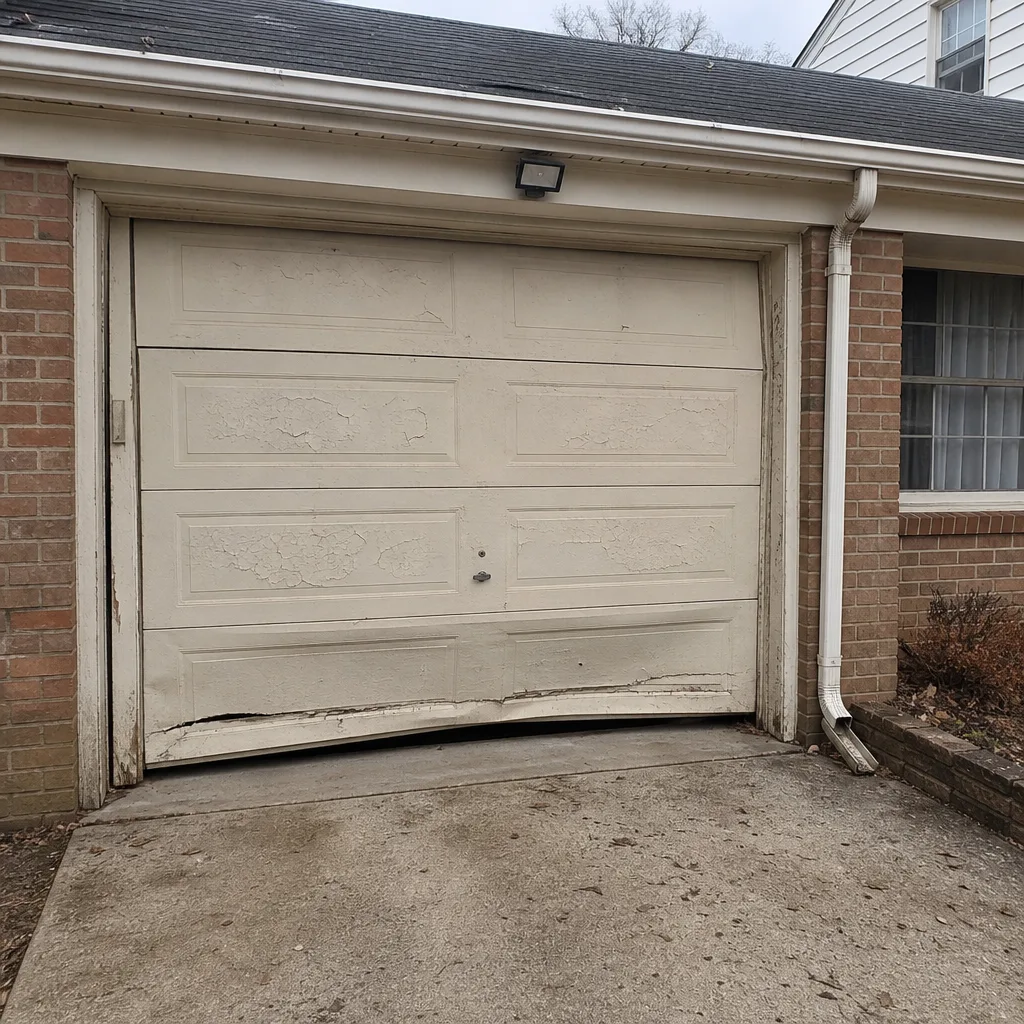 Before
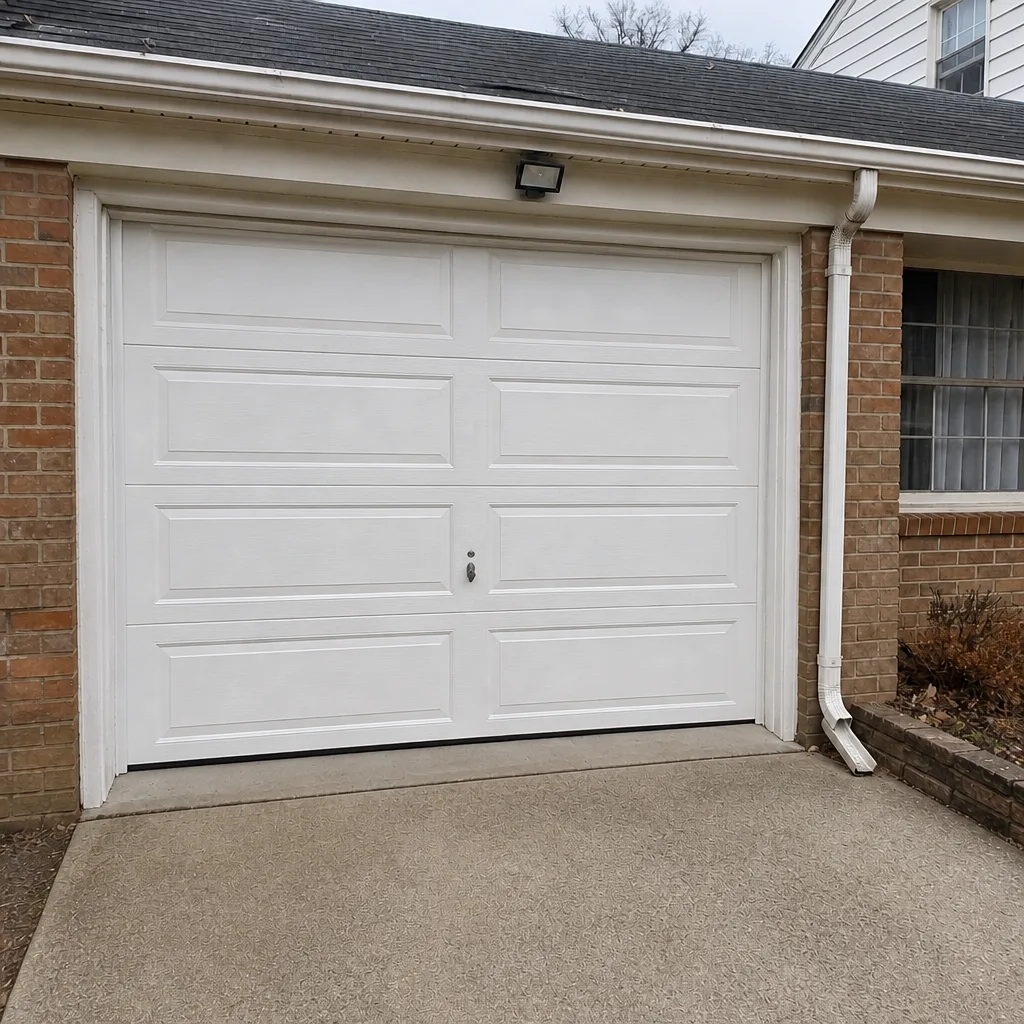 After
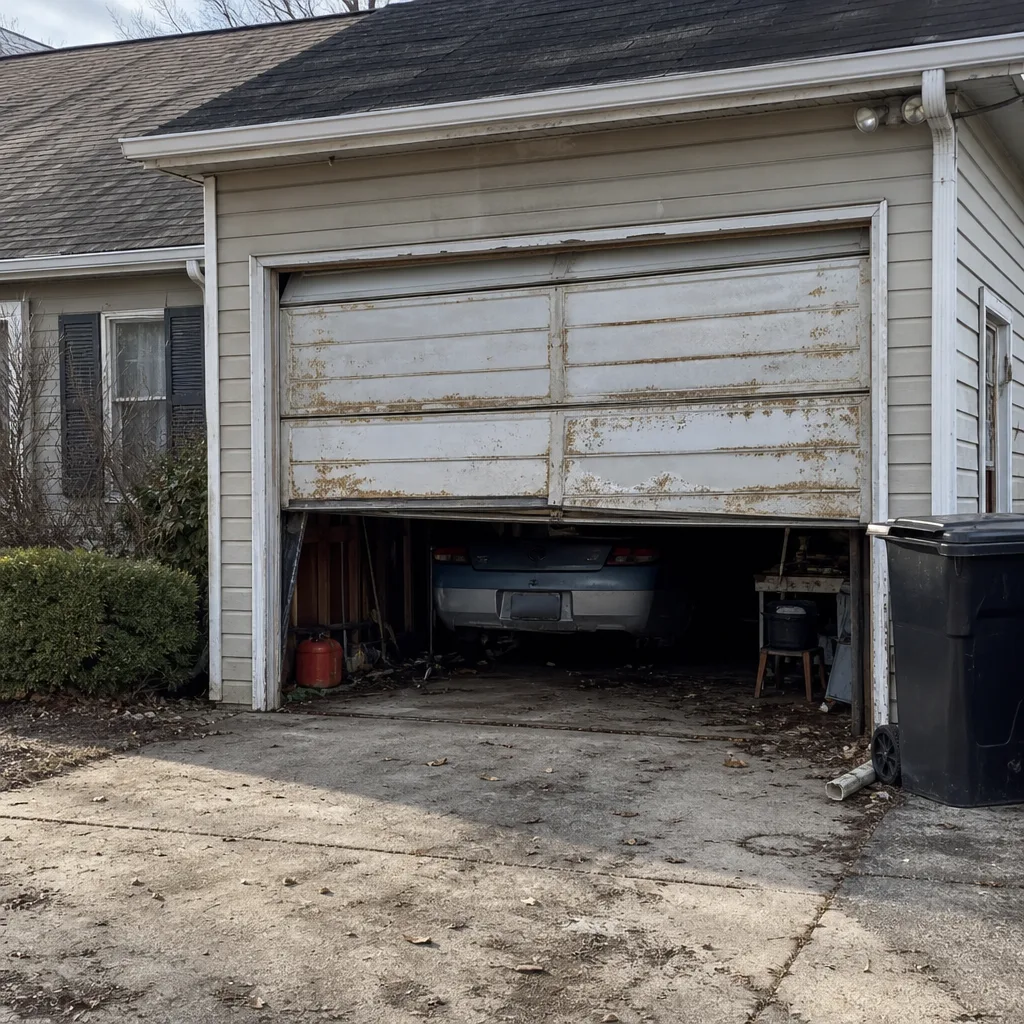 Before
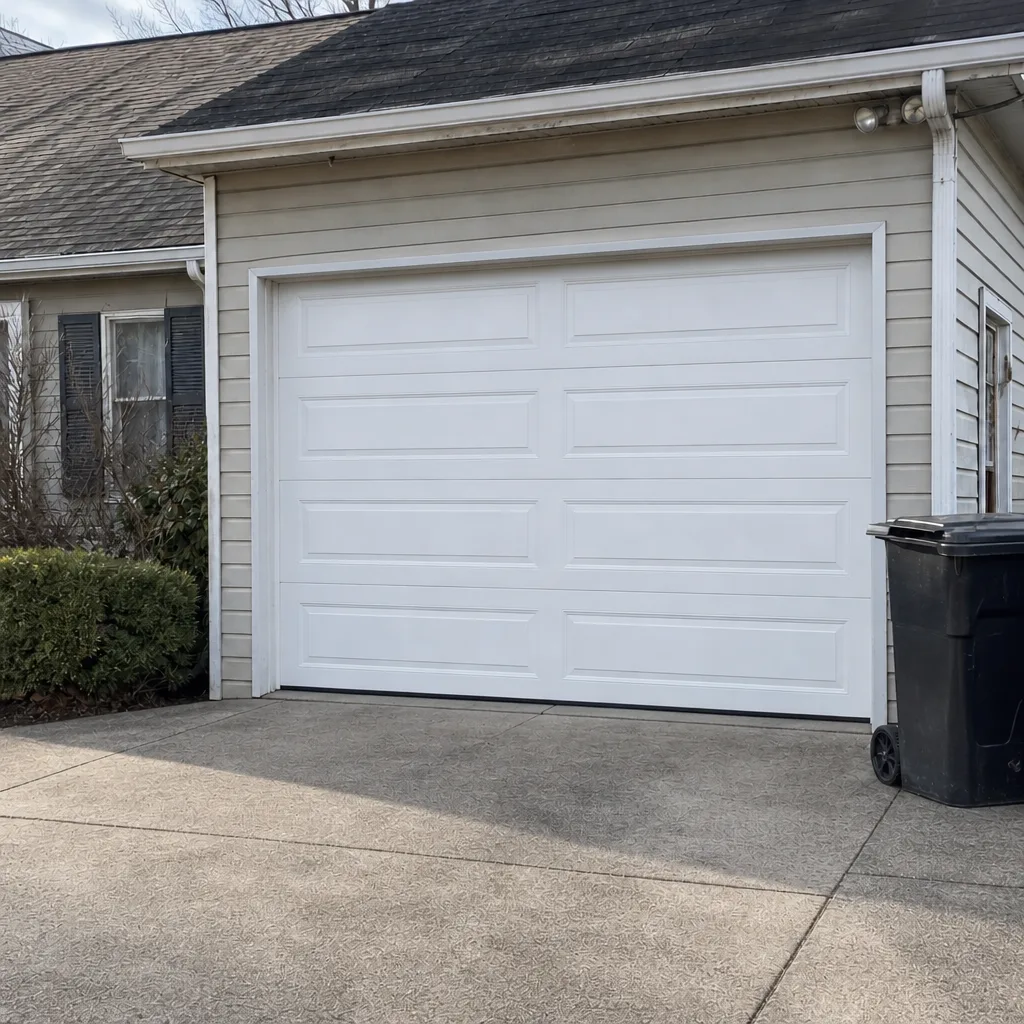 After
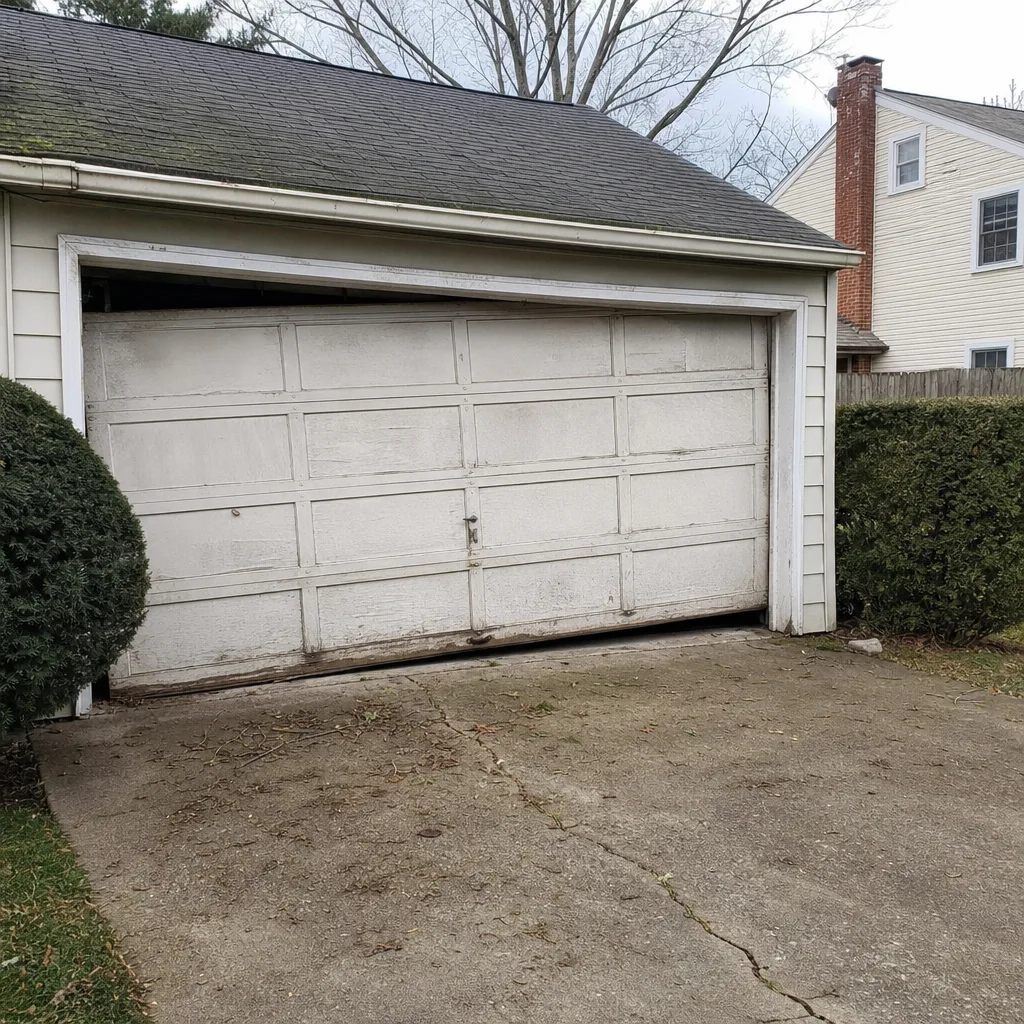 Before
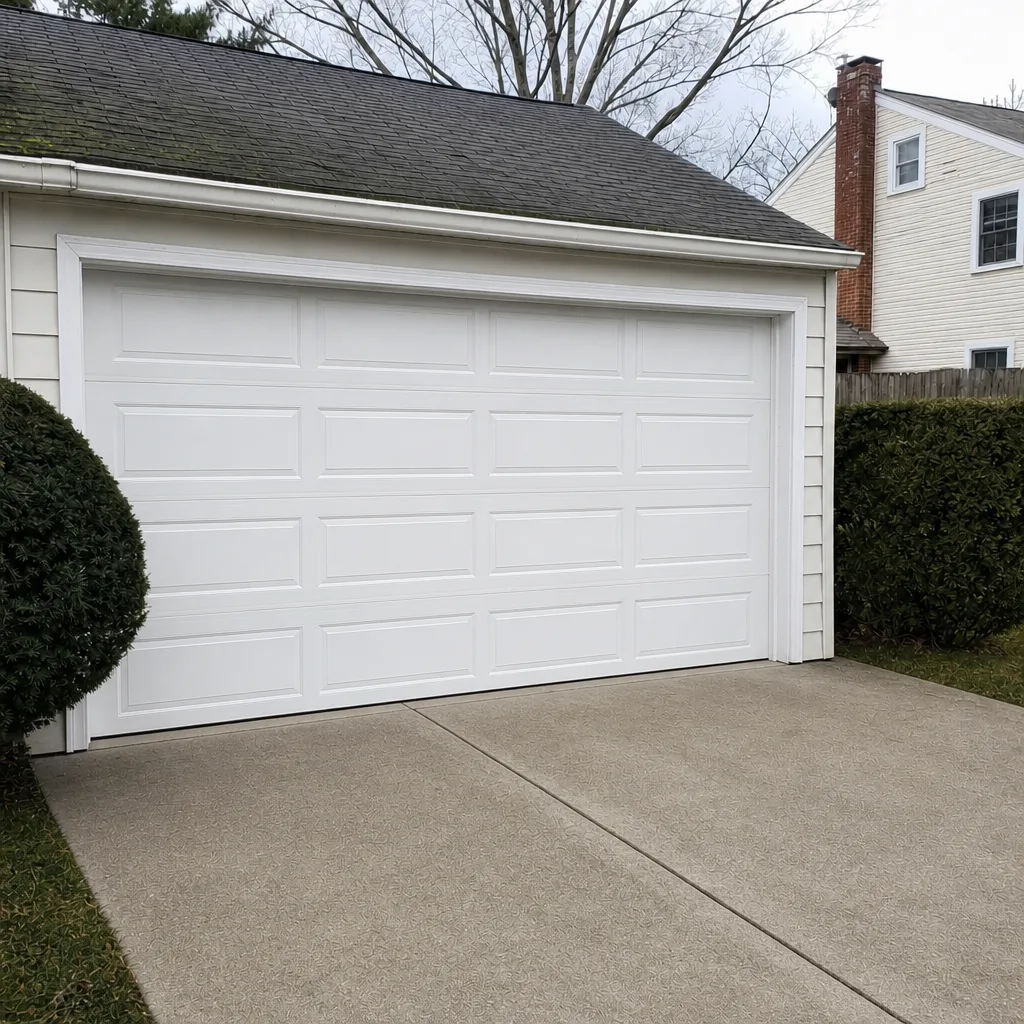 After
When to Call a Professional
Call for anything involving spring tension, cable condition, track realignment or opener electrical components. Those are the four areas where the work is genuinely dangerous or needs tools most homeowners don’t have. Also call if the door has started binding consistently, if the opener reverses without an obvious obstruction, or if you’re hearing a rumble that wasn’t there a month ago. Seasonal stiffness that clears in mild weather is usually a maintenance issue; anything that worsens regardless of temperature is a repair. If you’re unsure which you have, that’s a good reason to have a technician look before the problem sizes up. Stratford Garage Door Service offers free estimates in Washington, and you can call (844) 372-0752. We answer 24/7. Fast dispatch, 7am-7pm, Sunday through Friday.
Frequently Asked Questions
September is the most useful month in Washington, because sealing, lubrication and a tension check done before the first freeze prevent most mid-winter failures. A second, lighter inspection in July, focused on rust and humidity effects, catches the other half of the year’s wear. Two appointments a year at transition points do more than any single annual service.
Cold weather thickens lubricant, shrinks seals and makes metal slightly less forgiving, so a door that’s marginal in warm weather gets tested in cold weather. If the stiffness clears as the day warms, it’s usually a maintenance item a fall inspection would have caught. If the door sounds worse each week regardless of temperature, it’s a mechanical problem that needs repair before it worsens.
In many cases yes, if the track is straight and the new seal matches the door’s bottom profile. The trick is getting the profile right, which is where most DIY jobs go wrong in Washington’s freeze-thaw climate. If the seal has already been patched more than once, a new seal installed before September is the better fix, and a technician can confirm the profile.
Yes. Surface rust on torsion spring coils weakens the wire and creates a fatigue point. Washington’s summers sit at 70 to 80 percent relative humidity often enough that unprotected springs rust faster here than in drier cities. If you can see rust bloom on the lower coils in July, it’s worth having a professional assess the spring before winter.
Most winter failures are the result of a problem that developed in summer or fall: a thinned lubricant, a gap at the bottom seal that lets in water, or a cable or spring that was already weak. Freeze-thaw cycles expose those weaknesses, but they don’t create them. That’s why the September protocol matters more than anything you can do in January.
Not always. Cleaning and lubricating rollers and hinges is a homeowner job, and it’s a big part of the April pollen protocol. But if the stiffness doesn’t clear after a proper lubricant, or if the sound comes from the top of the door near the springs or cable drums, have it checked. Springs and cables aren’t adjustable by hand safely.
If prices are on your mind, the short answer is that the written estimate sets the final number, and we quote it before any work starts. Call (844) 372-0752 for a free estimate – there’s no charge for the look and no surprise invoice afterward.
The Bottom Line
Washington’s garage doors take their worst wear in two seasons, summer humidity and winter freeze-thaw, and the cheapest protection is the two transition windows between them. A September protocol of sealing, lubricating, and checking cables and springs prevents most of what breaks in January. A July inspection focused on rust and hardware catches what the humidity months leave behind. Spring pollen care keeps tracks and sensors honest. And anything involving spring tension, cable condition or opener wiring goes to a specialist, not a homeowner. Build the year around those windows rather than a January panic, and the door keeps working the way you expect it to.
Written by the team at Stratford Garage Door Service, serving Washington since 2015.