
Last updated November 14, 2026
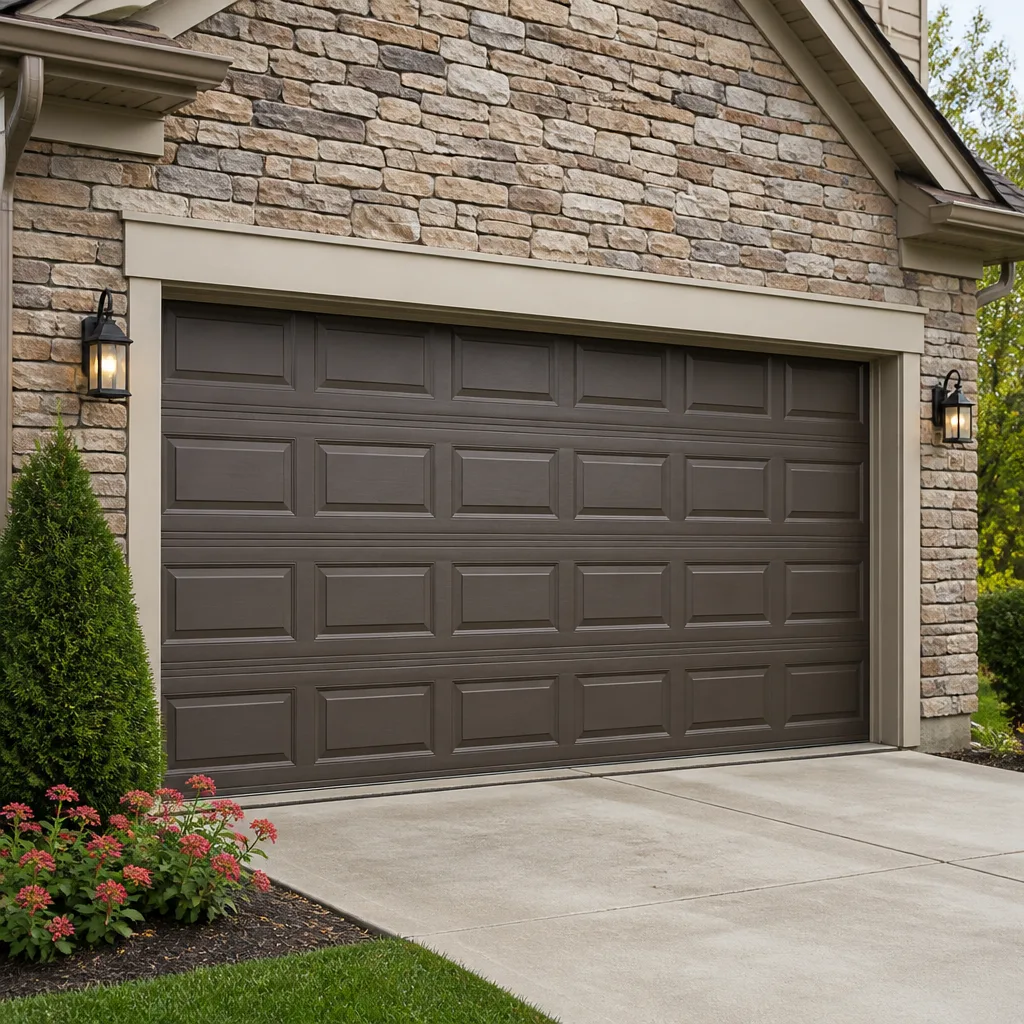 Raised-panel steel
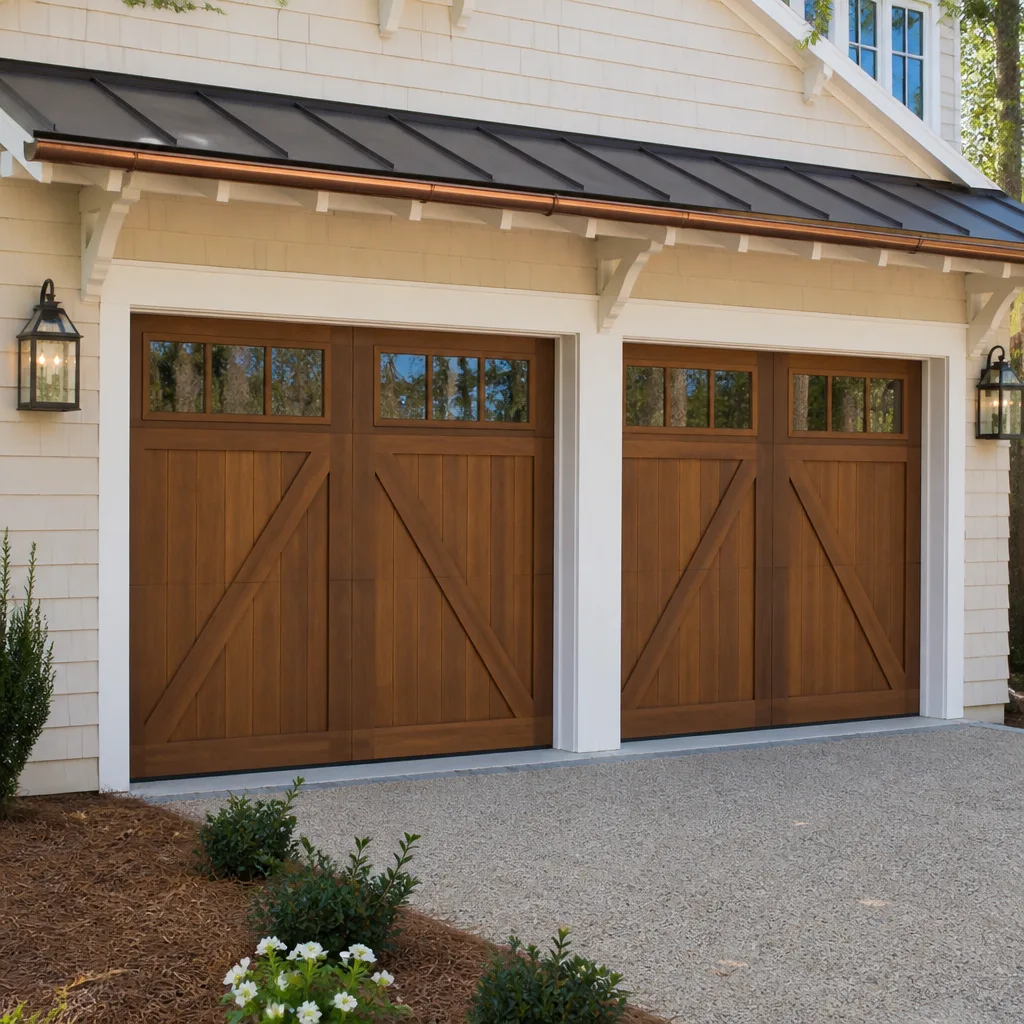 Carriage house
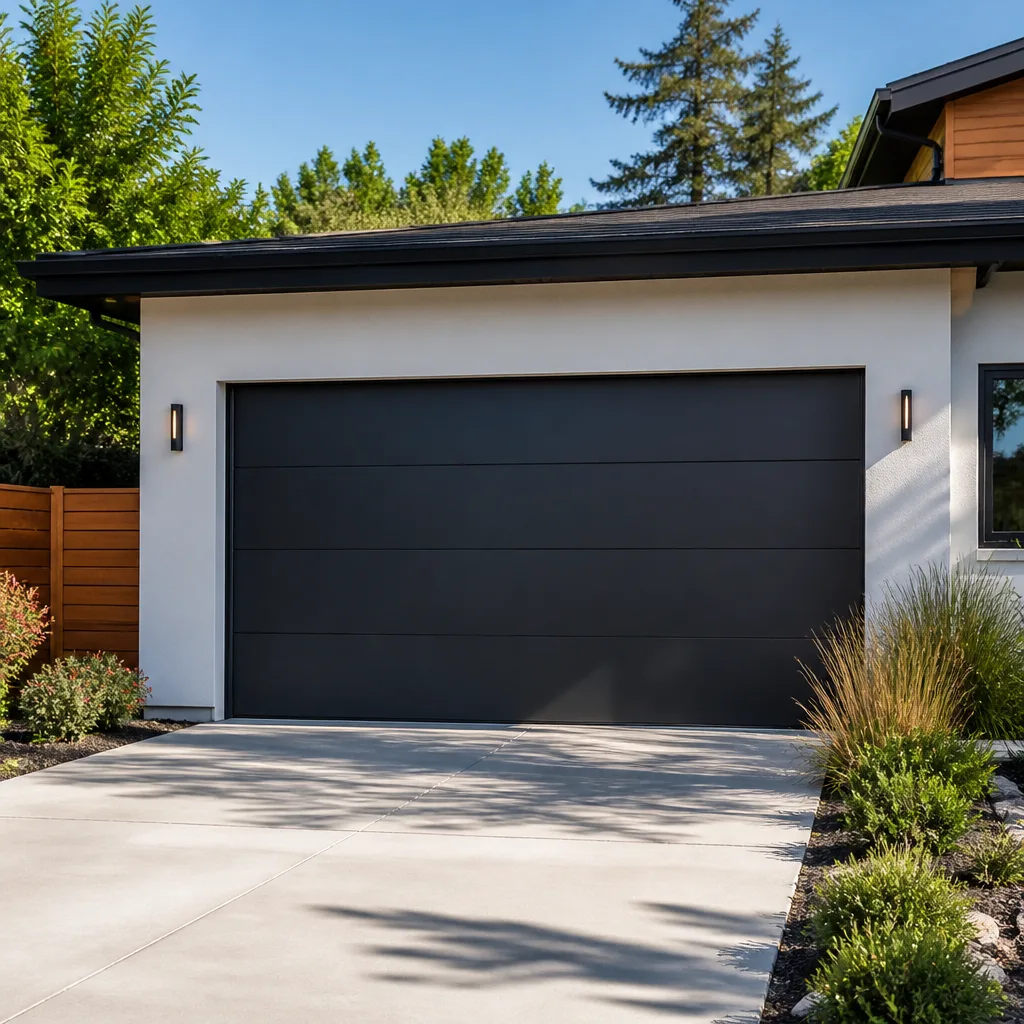 Modern flush
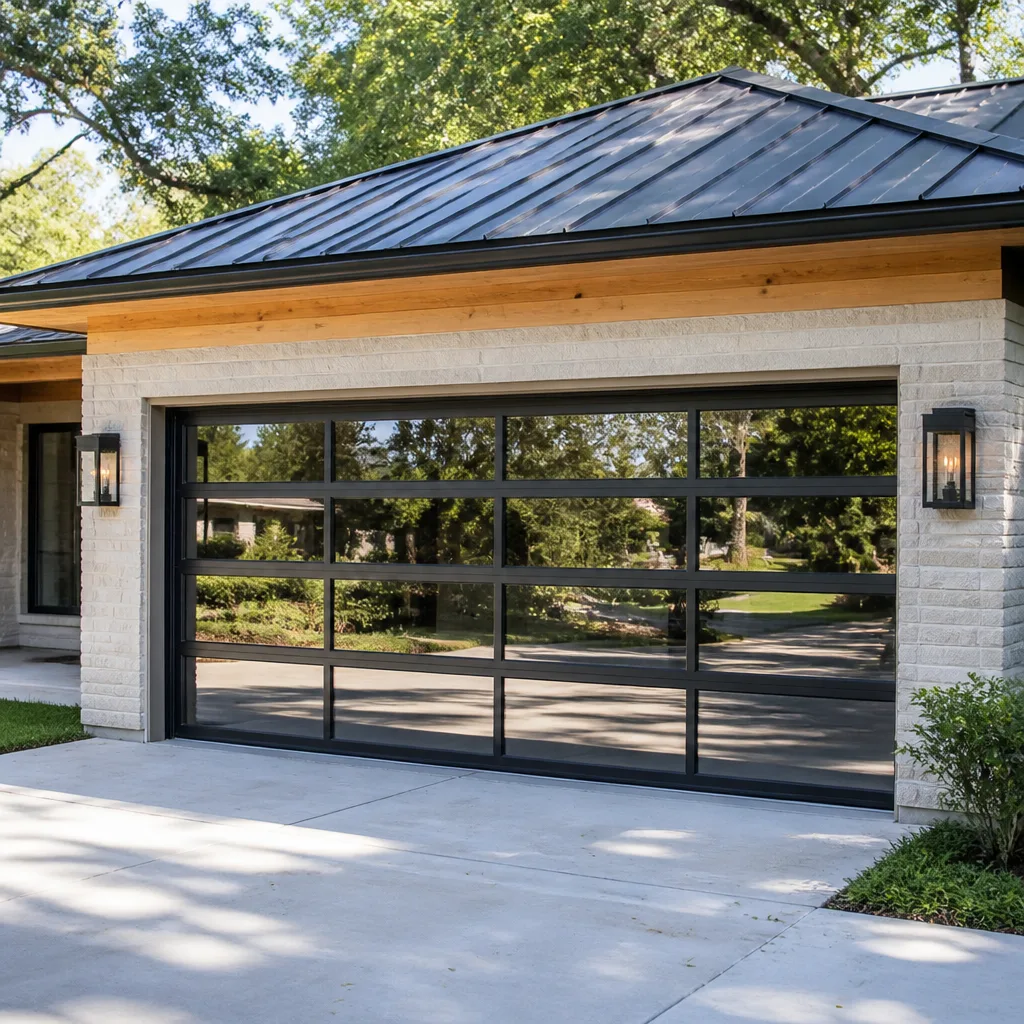 Full-view glass
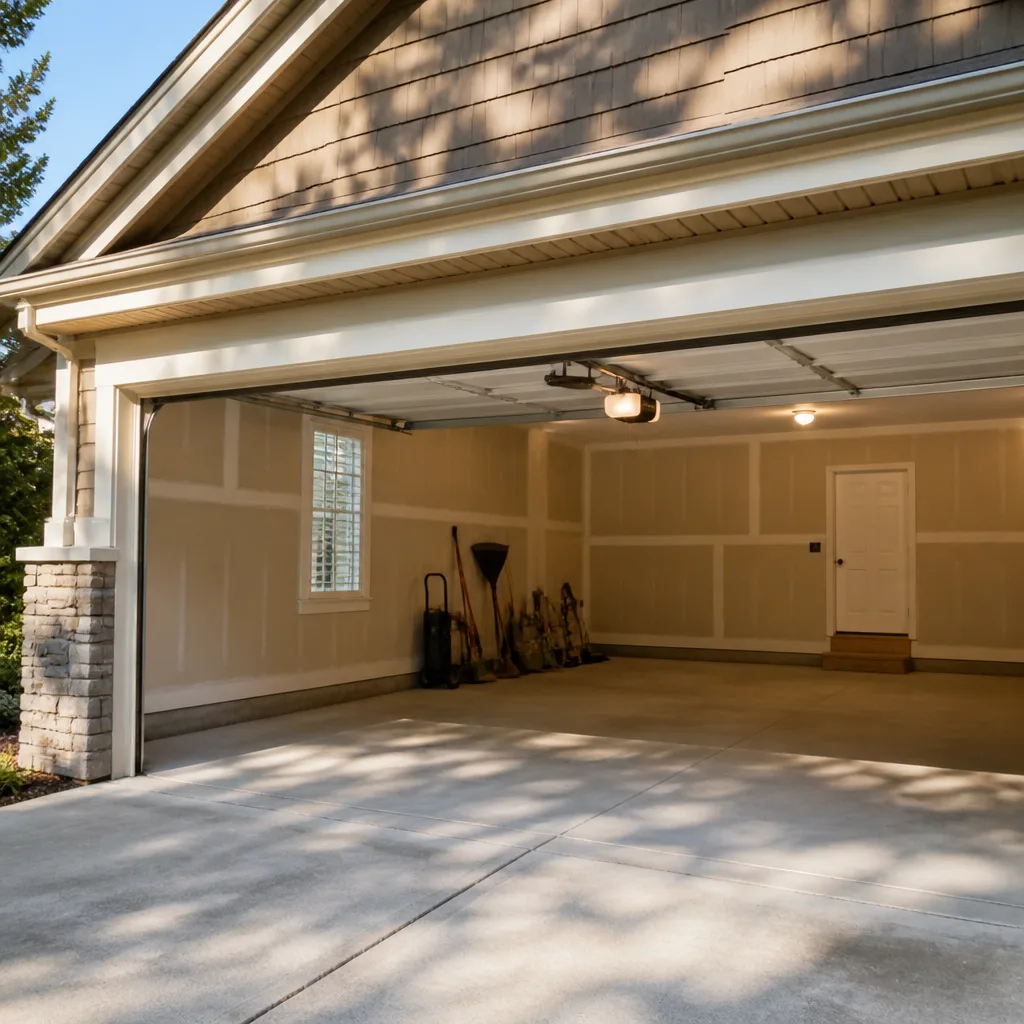 LiftMaster openers
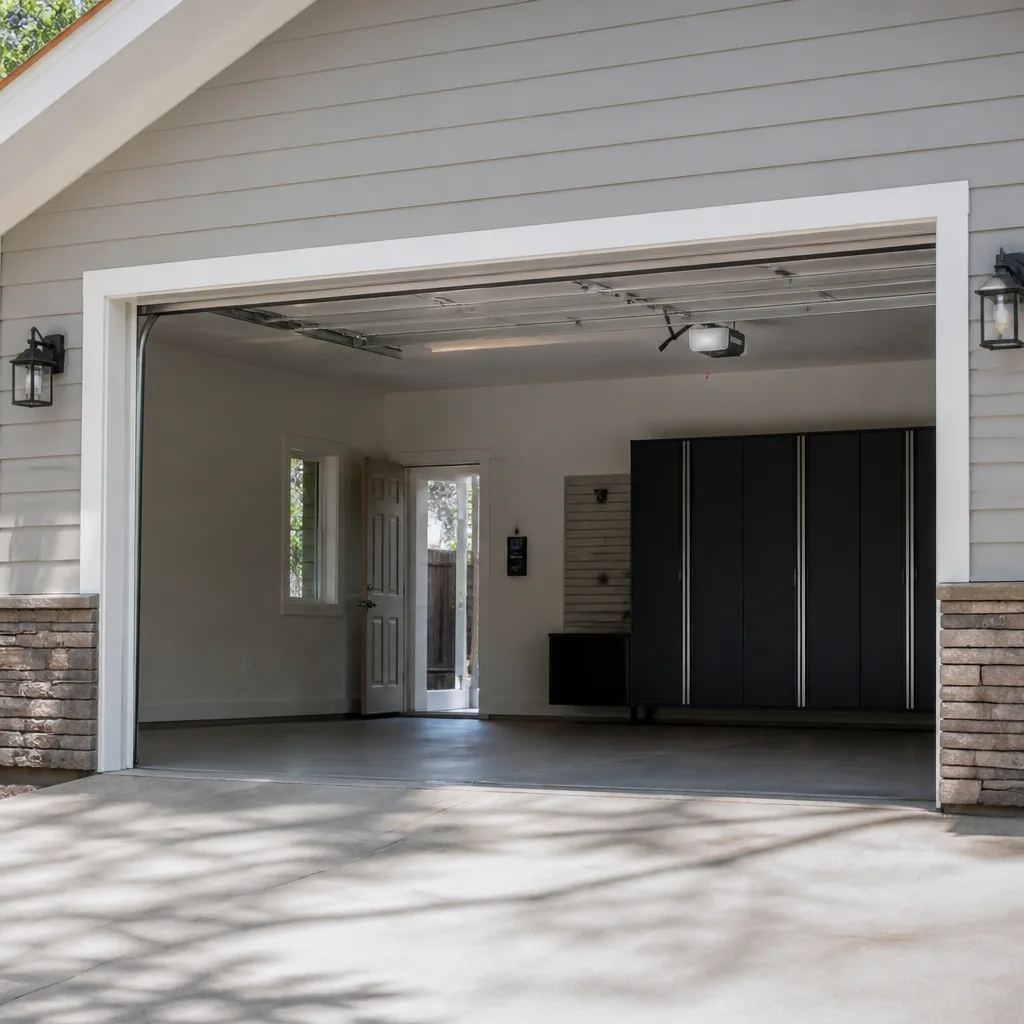 Chamberlain openers
Full 25-point door and opener safety check with every visit - springs, cables, rollers, tracks, and your LiftMaster or Chamberlain opener included
You get a price before we start. It does not change when the truck arrives.
Get your free estimateChoosing the Right Garage Door Brand: A Buyer’s Guide for Washington
A brand that ranks first in a national survey may offer exactly zero panel profiles that meet DC Historic Preservation Office guidelines. That’s the gap this guide exists to close. Homeowners in Washington often shop garage doors the way they’d shop a refrigerator – by reputation and star ratings – then discover at the permit or design-review stage that their chosen model isn’t allowed, isn’t stocked locally, or doesn’t fit a rowhouse alley opening. What follows is a Washington-specific way to read a brand: its product line, its insulation ratings, its parts distribution in the DC metro, its width options, and what its warranty actually covers in this climate. You’ll finish knowing how to compare Clopay, Amarr, LiftMaster, and Chamberlain through the lens that matters here.
Quick Answer
The right garage door brand for a Washington home is the one whose product line includes a panel profile your neighborhood’s design rules will accept, whose insulation rating suits a mid-Atlantic climate rather than a Minnesota or Florida one, and whose parts are actually stocked in the DC metro. In practice, that usually points homeowners toward established manufacturers like Clopay or Amarr for the door itself, and toward LiftMaster or Chamberlain for the opener, with the final choice driven by your specific opening size and historic district review requirements.
Styles & brands we work with
- Raised-panel steel
- Carriage house
- Modern flush
- Full-view glass
- LiftMaster openers
- Chamberlain openers
Table of Contents
- How do you evaluate a brand for Washington historic district compatibility?
- What R-value actually makes sense in Washington’s climate?
- Why does DC-area parts availability matter more than national reviews?
- Which brands handle narrow rowhouse alley garages?
- What do corrosion and finish warranties really cover in DC?
- How do LiftMaster, Chamberlain, and Genie compare for Washington homes?
- A step-by-step way to choose your brand
- Common mistakes to avoid
How do you evaluate a brand for Washington historic district compatibility?
Start by confirming whether your address falls inside a historic district with design review, then check that your candidate brand publishes panel profiles and color specifications that fit those rules. Garage doors on many Washington rowhouses face the street directly, so the door is part of the public facade, and design review boards tend to judge it as architecture rather than as equipment. A national bestseller with a bold raised-panel design may be perfectly good hardware and still fail review.
In our experience, the brands that clear this hurdle most consistently are the ones offering several distinct profile families rather than one signature look. Clopay and Amarr both publish flush, raised-panel, and carriage-house style profiles across their residential lines, which gives you options to bring into a review conversation. Wayne Dalton and Raynor round out the field with their own profile sets; the point is to compare profile availability, not to crown a winner.
What to check, in order:
- District status. Ask the DC Historic Preservation Office or your neighborhood association whether your block is subject to design review before you shop.
- Profile options. Confirm the brand publishes flush, raised-panel, and carriage-house profiles in residential widths.
- Color specifications. Check that the manufacturer’s published finish colors include options your review board will likely accept.
- Documentation. Ask for spec sheets and finish samples you can submit with a review application.
This is where a specialist saves real money. A brand-agnostic technician who already knows which manufacturers publish which profiles can tell you before you order whether a door has a realistic path through design review. We work with eight major brands – Clopay, Amarr, Wayne Dalton, Raynor, LiftMaster, Chamberlain, Genie, and Craftsman – so our answer is based on your door and your block, not on what we’d rather sell. For related reading, see our guide to Washington garage door service.
What R-value actually makes sense in Washington’s climate?
For most Washington homes, an R-value in the middle of the residential range is the sensible target: enough insulation to keep an attached garage from becoming a heat sink in January, without paying for cold-climate ratings your winters don’t require. Insulation is sold as a number, and the number is easy to over-buy. A door rated for a Minnesota winter is over-built for the mid-Atlantic. A door built for a southern market and rated near the bottom of the range will underperform when the temperature drops.
Think about how your garage is used. If it’s attached and shares a wall with living space, insulation affects comfort in the rooms above and beside it. If it’s a detached alley garage, it affects how the door itself behaves – steel that swings between warm days and cold nights expands and contracts, and an insulated door with a thermal break handles that movement better than a single uninsulated skin.
Here’s how to weigh R-value without getting lost:
- Single-skin steel, uninsulated: entry-level, fine for a detached garage you rarely heat.
- Steel with polystyrene insulation: a middle option, common across Clopay and Amarr residential lines.
- Steel with polyurethane insulation: higher ratings, denser construction, a heavier door that needs a properly matched opener.
- Wood and wood-composite: lovely on a historic facade, but finish maintenance matters more here than R-value.
One caution people miss: a heavier insulated door may need a stronger opener or a torsion spring rated for the added weight. That’s a whole-system question, not just a door question. If you’re replacing the door, it pays to have the existing opener and springs assessed at the same time. Our team handles garage door opener repair alongside door installation, so nothing gets mismatched.
Why does DC-area parts availability matter more than national reviews?
A brand with glowing national reviews but thin parts distribution in the DC metro will cost you time every time something fails. Garage doors are mechanical systems with wear parts – rollers, hinges, cables, springs, and opener components – and how fast a part can be sourced determines how long your door sits unusable. National rankings don’t measure that. Local distributor presence does.
When you’re comparing brands, ask a direct question: how quickly can a technician get this brand’s parts here? The established manufacturers – Clopay, Amarr, Wayne Dalton, Raynor, LiftMaster, Chamberlain, Genie, and Craftsman – all have distribution networks serving the Washington area, which is a big part of why they’re the brands we keep factory-familiar. That familiarity is practical. A technician who has worked the same brand repeatedly knows its specific failure patterns and often has the right part on the truck.
A few things to weigh:
- Established brands vs. online-only labels. A door sold only through a website may be fine hardware with no local parts path.
- Opener ecosystems. LiftMaster and Chamberlain share a strong dealer and parts network in the region; that shortens repair timelines for smart-home-integrated units.
- Legacy brands. Many Washington homes still run Craftsman or Genie openers from years ago. Being able to service and source parts for those systems matters as much as supporting new ones.
Parts availability is a dull-sounding criterion that quietly determines how often your door is out of service. For a fuller picture of what repairs actually come up, our garage door repair page covers the common failures brand by brand.
Which brands handle narrow rowhouse alley garages?
Washington’s rowhouse alley garages are often narrower than the standard residential door widths, which is exactly where a brand’s flexibility matters most. A brand that only catalogs standard-width doors will force you into a custom build or a poor fit. A brand that publishes narrow-width and custom-width residential options gives you a door built to the opening you actually have.
Before you pick a brand, measure the opening and the space around it. Alley garages in Washington sometimes come with tight clearances – limited headroom, close side walls, or a low header – that rule out certain door types entirely. A door that needs more headroom than your garage has is the wrong door, no matter its rating. This is the kind of thing a technician catches on a site measure and a homeowner discovers after delivery.
The brands with the broadest published width ranges tend to be the larger manufacturers: Clopay and Amarr both offer custom-width residential options, and Wayne Dalton and Raynor can be built to fit in many cases. What matters is confirming your specific profile and width combination is available before you commit.
- Measure the finished opening width, height, and headroom.
- Note side-wall clearance and the depth of the garage.
- Confirm the brand publishes your profile in a width that fits.
- Request a written measure before any order is placed.
Narrow-width jobs aren’t the place for guesswork. A careful measure is the whole game, and it’s free when you call us. Our team handles Stratford Garage Door Service installations across the city with the door profiles each block can actually accommodate.
What do corrosion and finish warranties really cover in DC?
Corrosion and finish warranties are written for a generic climate, and what they exclude matters more in Washington than what they promise. The region’s humid summers and freeze-thaw winters stress steel finishes differently than a dry climate. A warranty that covers the steel panel against rust-through but excludes finish fading, chalking, or damage from standing moisture is a narrow promise, not a broad one.
Read the warranty document the way a technician would – by finding the exclusions section first:
- Rust-through vs. surface rust. Many warranties cover perforation from the inside out but not cosmetic surface rust.
- Finish coverage. Fading and chalking are often excluded or limited to a shorter term than the structural coverage.
- Installation requirements. Most warranties require proper ventilation and drainage, and void if the door sits in a wet, unvented opening.
- Maintenance obligations. Some require periodic cleaning and inspection to keep finish coverage alive.
In practice, a modest maintenance routine protects the warranty and the door. Keep the bottom seal intact so rain doesn’t sit against the panel, touch up chips before they spread, and keep hinges and rollers clean. The brands with the most developed finish systems – Clopay and Amarr among them – usually publish clearer finish specifications, which makes them easier to hold to their own terms. If a warranty claim is on the line, having your door’s model and finish documented helps; we keep brand and model details straight as part of our work, so the paperwork side is less of a scramble.
How do LiftMaster, Chamberlain, and Genie compare for Washington homes?
Compare openers by how well they match the door they’ll lift and the smart-home setup you want, not by the brand name alone. The opener is a separate decision from the door, and getting it wrong is common. An underpowered opener on a heavy insulated door will strain and fail early. A well-matched one will run quietly for years.
LiftMaster and Chamberlain are the two dominant smart-home-compatible lines, and both are widely supported in the DC area. If you want app control and integration with a home automation setup, those are the natural starting points, and both are brands we’re factory-familiar with. Genie is a solid choice for straightforward residential openers and remains common in Washington homes, including older units. Craftsman openers, many installed years ago, are still out there and still serviceable.
For a comparison, use this:
- LiftMaster: strong smart-home integration, broad dealer and parts support in the region.
- Chamberlain: shares technology with LiftMaster and myQ compatibility, often a good value pick.
- Genie: reliable legacy and budget-friendly residential openers.
- Craftsman: common on older doors; repair is often easier than replacement.
One fixed rule: safety sensors are non-negotiable, and a door that reverses unpredictably is a call-a-technician situation, not a weekend project. Same goes for the springs and cables that counterbalance a heavy door – those are high-tension components under real load, and adjusting them by hand causes serious injury. We don’t walk homeowners through that work, and neither should any guide. If a door is binding, reversing, or making new noises, have it looked at by a trained technician. Call (844) 372-0752. We answer 24/7. Fast dispatch from 7am to 7pm, Sunday through Friday.
A step-by-step way to choose your brand
Working through this in order keeps you from buying a door that fails review, doesn’t fit, or can’t be sourced. Here’s the process we’d recommend to any Washington homeowner:
- Check your design-review status. Confirm whether your address is in a historic district before you shop a single brand.
- Measure the opening. Width, height, headroom, and side clearance. Write it down.
- Shortlist two or three brands by profile availability. Look for published flush, raised-panel, and carriage-house options that fit your opening.
- Check R-value against your garage’s actual use. Aim for the middle of the range for an attached garage; don’t over-buy for a detached one.
- Confirm local parts availability. Ask how fast the brand’s parts can be sourced in the DC metro.
- Match the opener to the door. Heavier insulated doors need a properly rated opener and springs.
- Read the warranty exclusions. Focus on finish and corrosion coverage, not just the headline term.
- Get a written measure and quote before you order. The price is quoted and agreed before any work starts, and the written estimate sets the final price.
Done in that order, brand selection stops being a popularity contest and becomes a fit question. That’s the standard we hold ourselves to: the right answer for your door, not the door we’d rather sell. When you’re ready for a measure, our garage door repair team can also tell you whether your existing door is worth keeping before you replace it.
Common Mistakes to Avoid
- Buying on national rankings alone. A brand that tops a national survey may have no profile your historic district will approve. Check local rules before you fall in love with a door.
- Over-buying insulation. A cold-climate R-value is money spent on performance Washington’s winters won’t test. Match the rating to your garage, not to a brochure.
- Assuming standard widths fit. Rowhouse alley garages often need narrow-width or custom doors. Measure before you order.
- Ignoring parts availability. A brand with no local parts path turns a minor repair into a long wait. Ask how fast parts can be sourced here in Washington.
- Replacing the door without checking the opener and springs. A heavier door on an old, undersized opener is a recipe for early failure. Have the whole system assessed.
- Skipping the warranty exclusions. Finish and corrosion coverage is where the real gaps hide. Read the exclusions before you buy.
- Attempting spring or cable work yourself. These are high-tension parts under load. Always use a trained technician.
See the difference
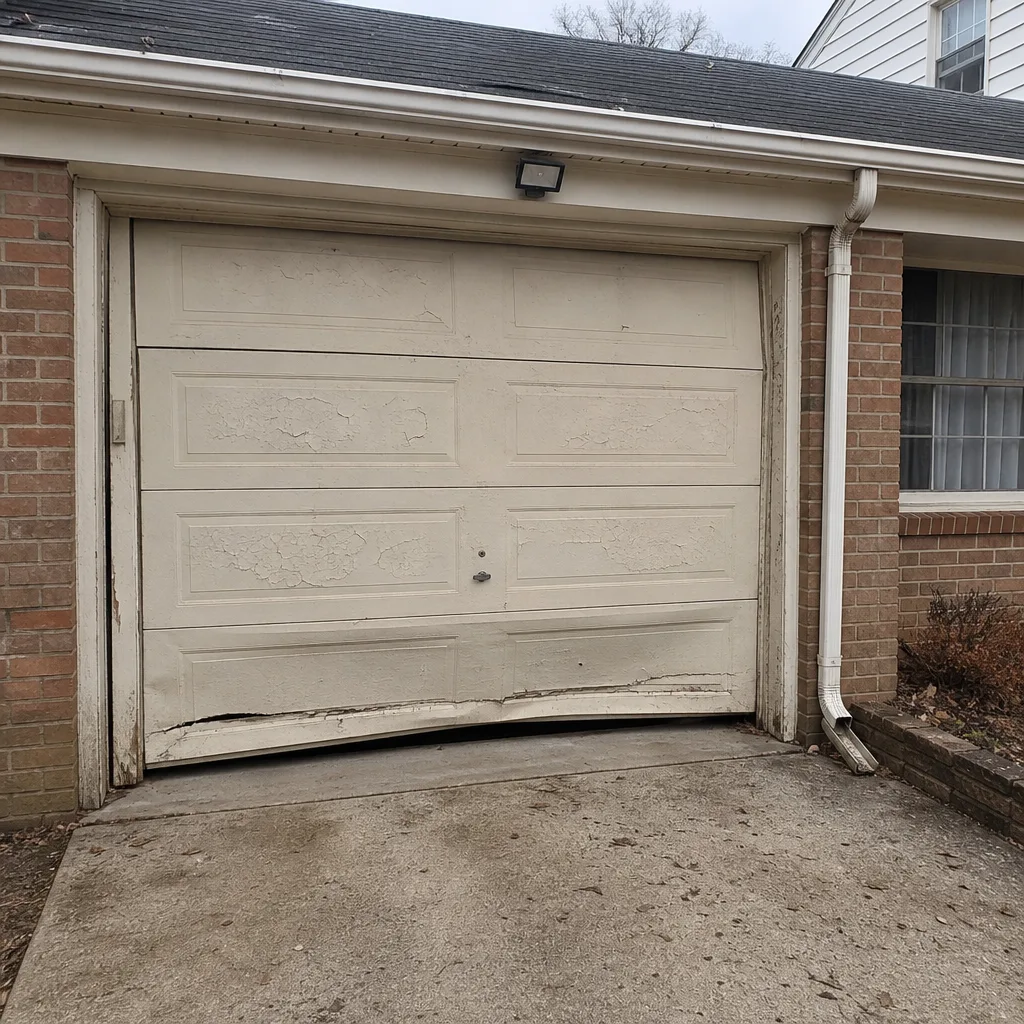 Before
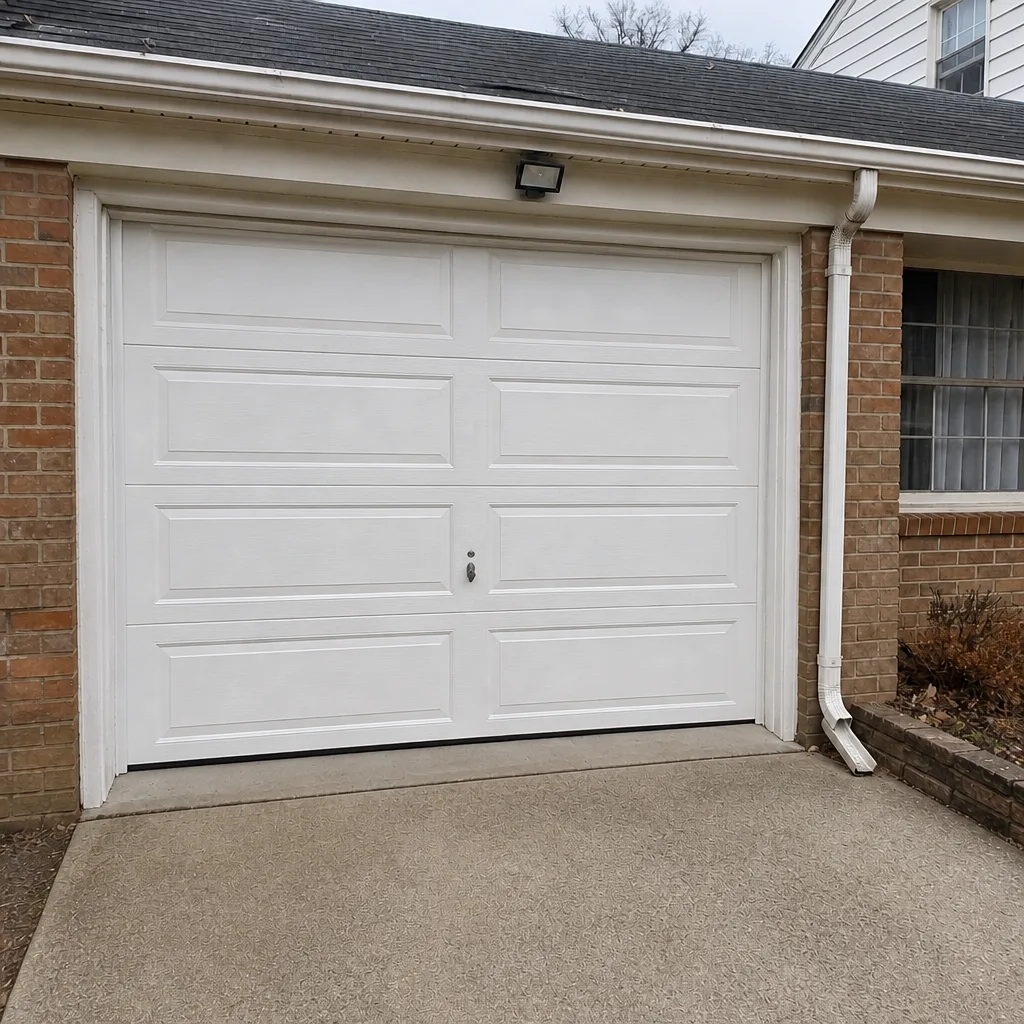 After
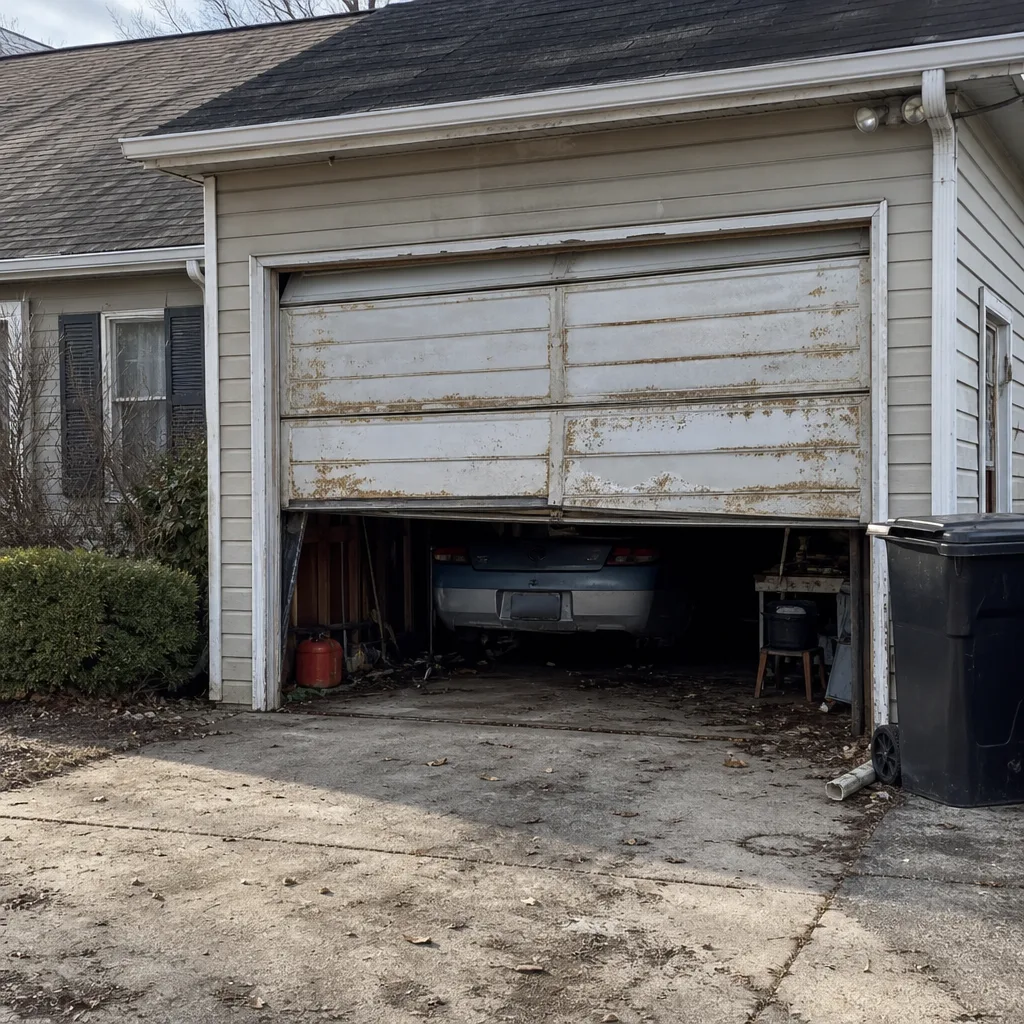 Before
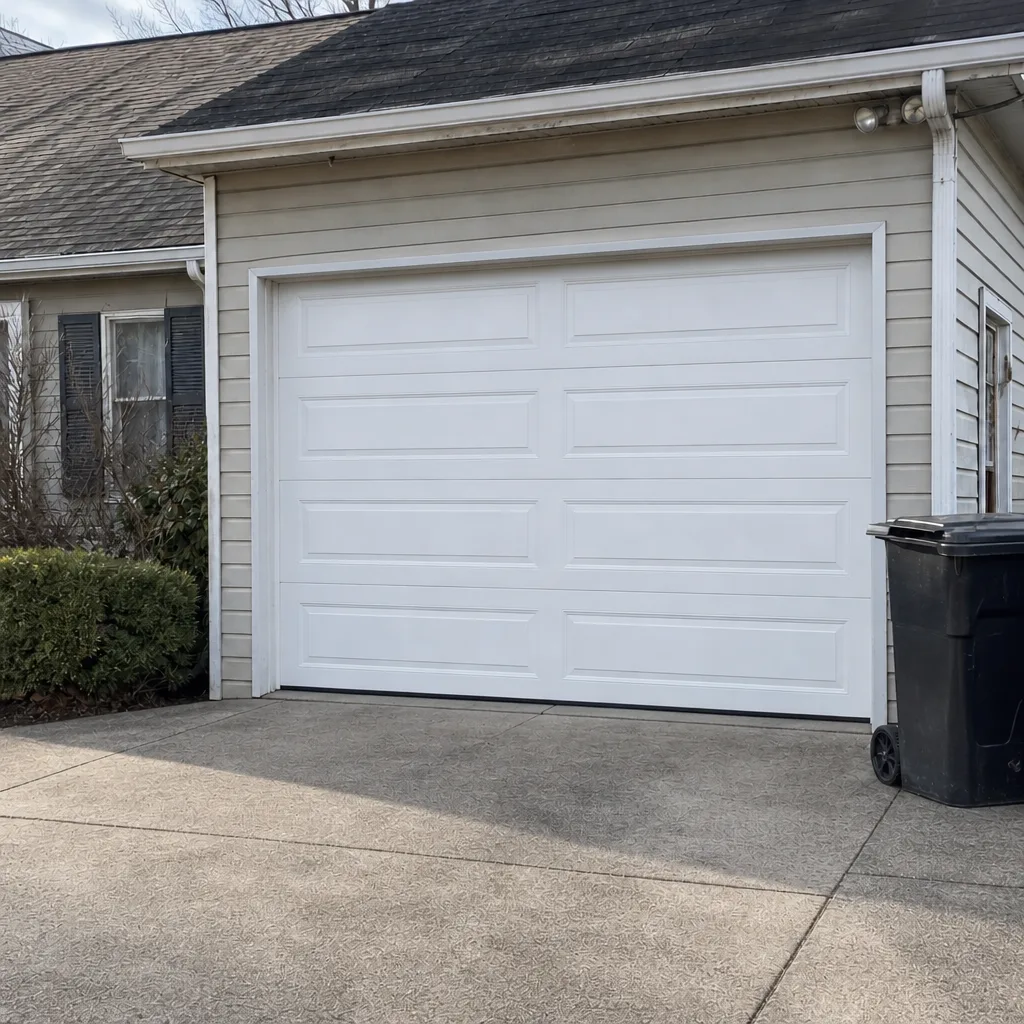 After
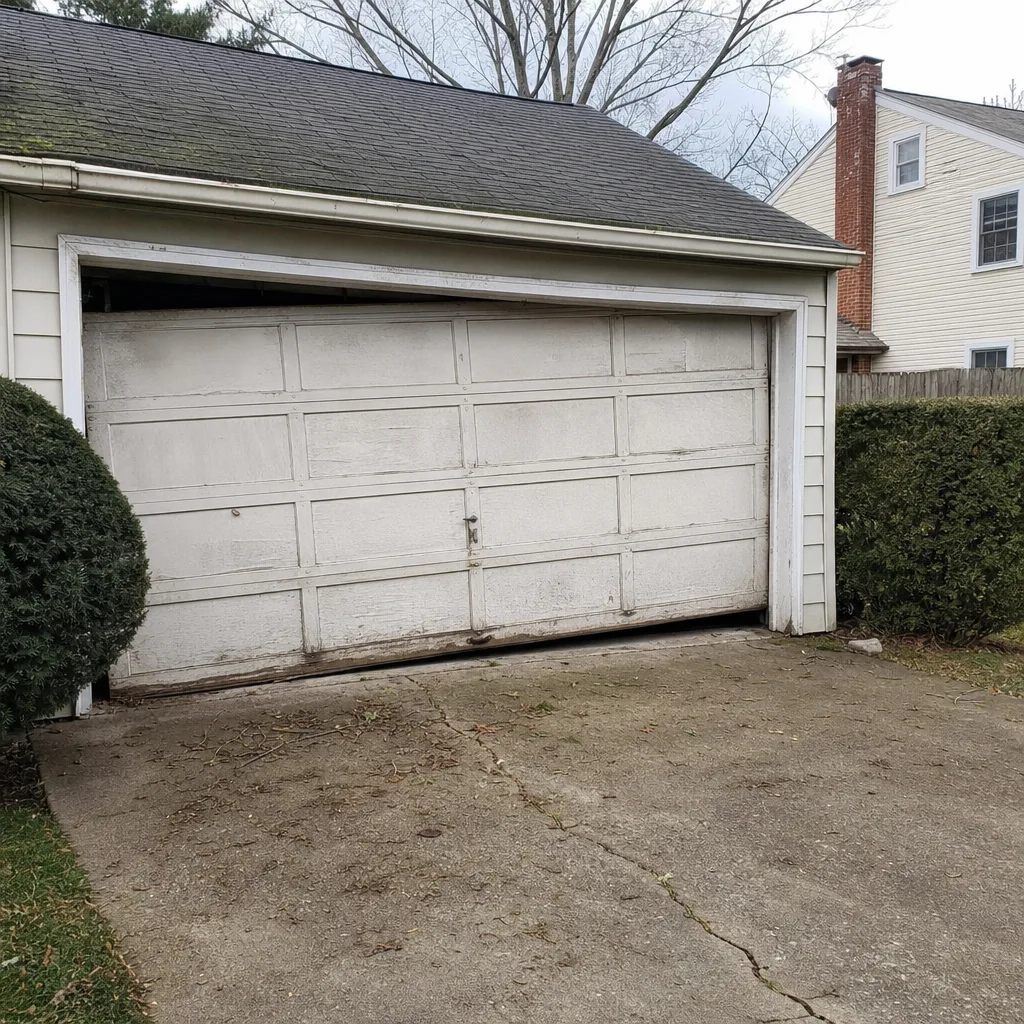 Before
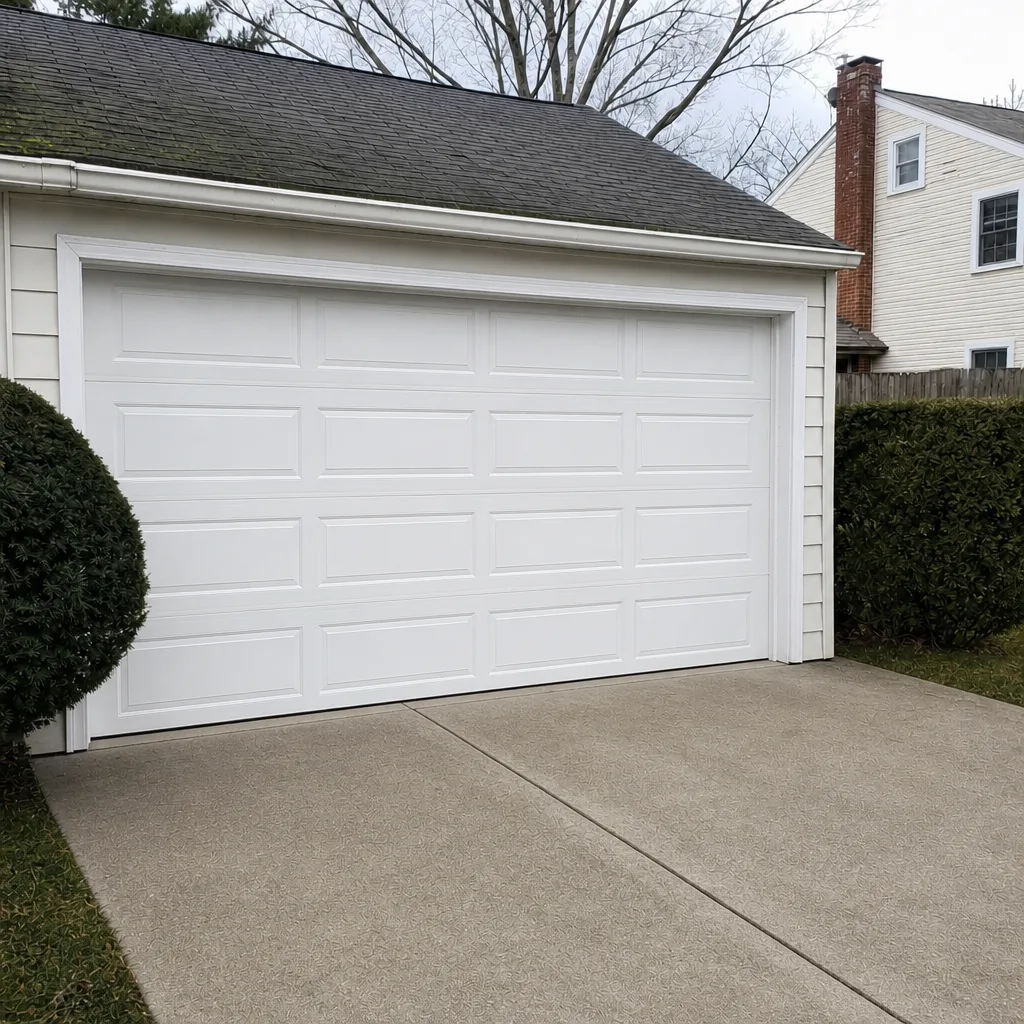 After
When to Call a Professional
Call a specialist when your door binds, reverses, or makes a new noise; when a spring or cable fails; when the opener runs but the door doesn’t; or when you’re planning a replacement and need a measure before you choose a brand. Call before you order a custom-width or historic-profile door, too – a site measure and a review check can save you an expensive mistake. Stratford Garage Door Service offers free estimates in Washington – call (844) 372-0752. We specialize exclusively in garage doors, from the spring to the opener, and we’re fluent in the eight major brands so we can give you the right answer for your existing setup. We answer 24/7. Fast dispatch from 7am to 7pm, Sunday through Friday.
Frequently Asked Questions
There’s no single best brand – the right one depends on your opening size, your design-review status, and your insulation needs. For most Washington homes, we point toward established manufacturers like Clopay or Amarr for the door and LiftMaster or Chamberlain for the opener, then match the exact model to the opening. Call (844) 372-0752 for a free estimate and a brand recommendation based on your door.
Only if the door’s profile and finish meet the district’s design rules, so check with the DC Historic Preservation Office before you order. Brands that publish flush, raised-panel, and carriage-house profiles give you the best chance of a smooth review. We can help you read which profiles fit your block. Call (844) 372-0752 – estimates are free.
For most attached garages, a mid-range R-value is the sensible target, since Washington’s climate doesn’t require a cold-climate rating and a southern-market rating will underperform in January. Detached alley garages often do fine with less insulation. A written estimate can include a recommendation. Call (844) 372-0752 for an exact quote.
Yes – several major brands publish narrow-width and custom-width residential options that fit Washington’s tighter alley openings. The key is a careful site measure before ordering so the door actually fits. We measure, confirm availability, and quote in writing. Call (844) 372-0752 for a free estimate.
In most cases, yes, or we can source them locally, because we’re factory-familiar with Craftsman, Genie, LiftMaster, and Chamberlain. Older openers are often repairable rather than ready for replacement. Call (844) 372-0752 and we’ll tell you what’s possible for your unit.
No – the price is quoted and agreed before any work starts, and the written estimate sets the final price. We work from a written quote so there’s no surprise on the invoice. Call (844) 372-0752 for a free estimate.
The Bottom Line
Choosing a garage door brand in Washington is a fit question, not a popularity contest. The right brand is the one whose product line includes a profile your district will approve, whose insulation suits a mid-Atlantic climate, whose parts are stocked in the DC metro, and whose width options fit your opening. Established manufacturers like Clopay, Amarr, LiftMaster, and Chamberlain cover most of what Washington homes need, and a brand-agnostic specialist can match any of them to your specific door. Get a written measure and quote before you order, and let a trained technician handle springs and opener matching. For guidance on your door, call Stratford Garage Door Service at (844) 372-0752 – estimates are free.
Written by the team at Stratford Garage Door Service, serving Washington since 2015.