
Last updated November 14, 2026
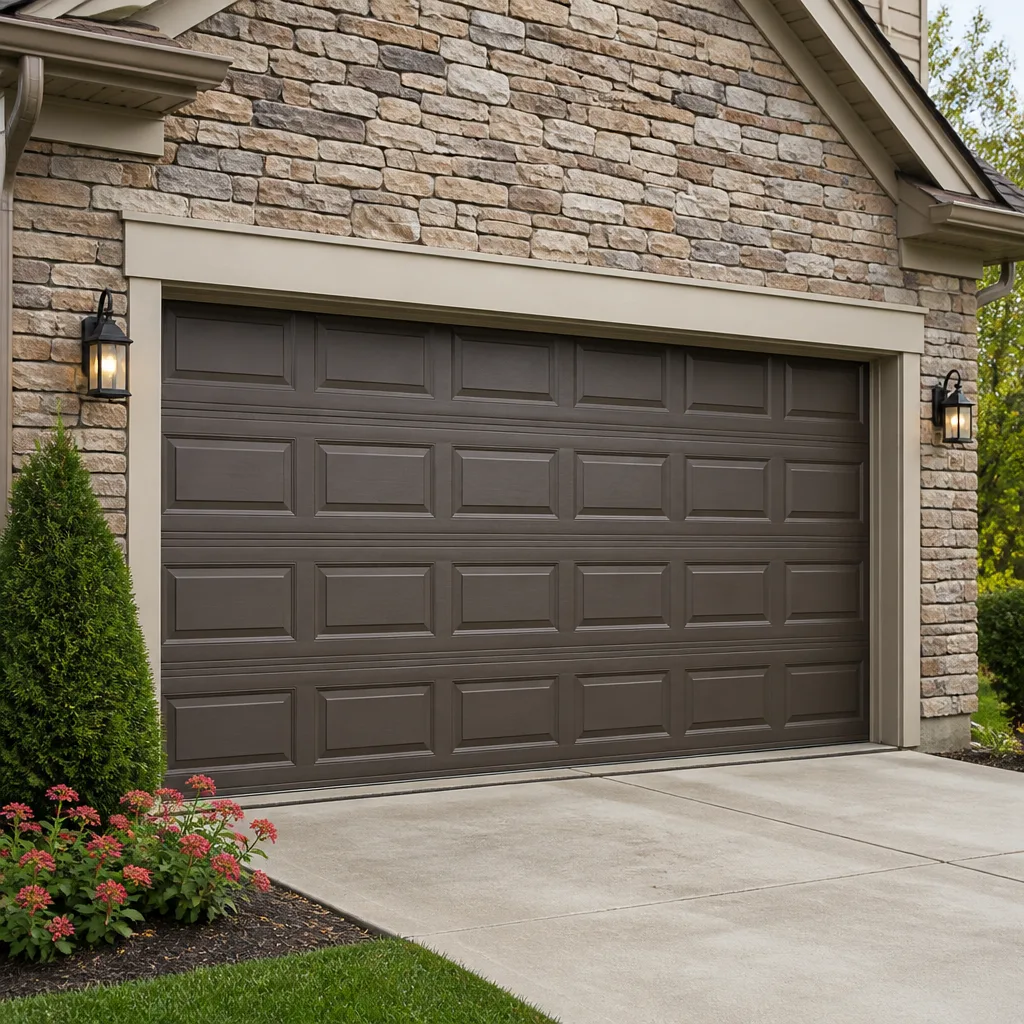 Raised-panel steel
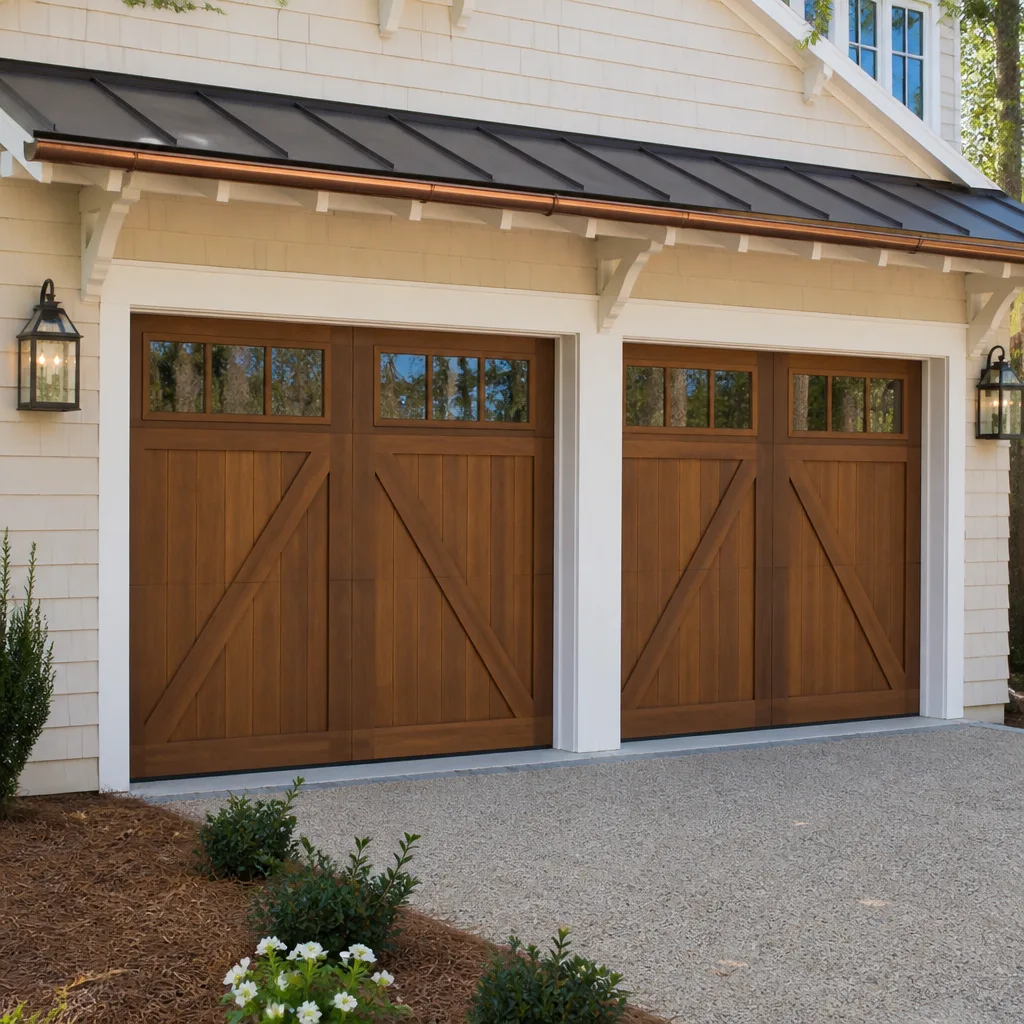 Carriage house
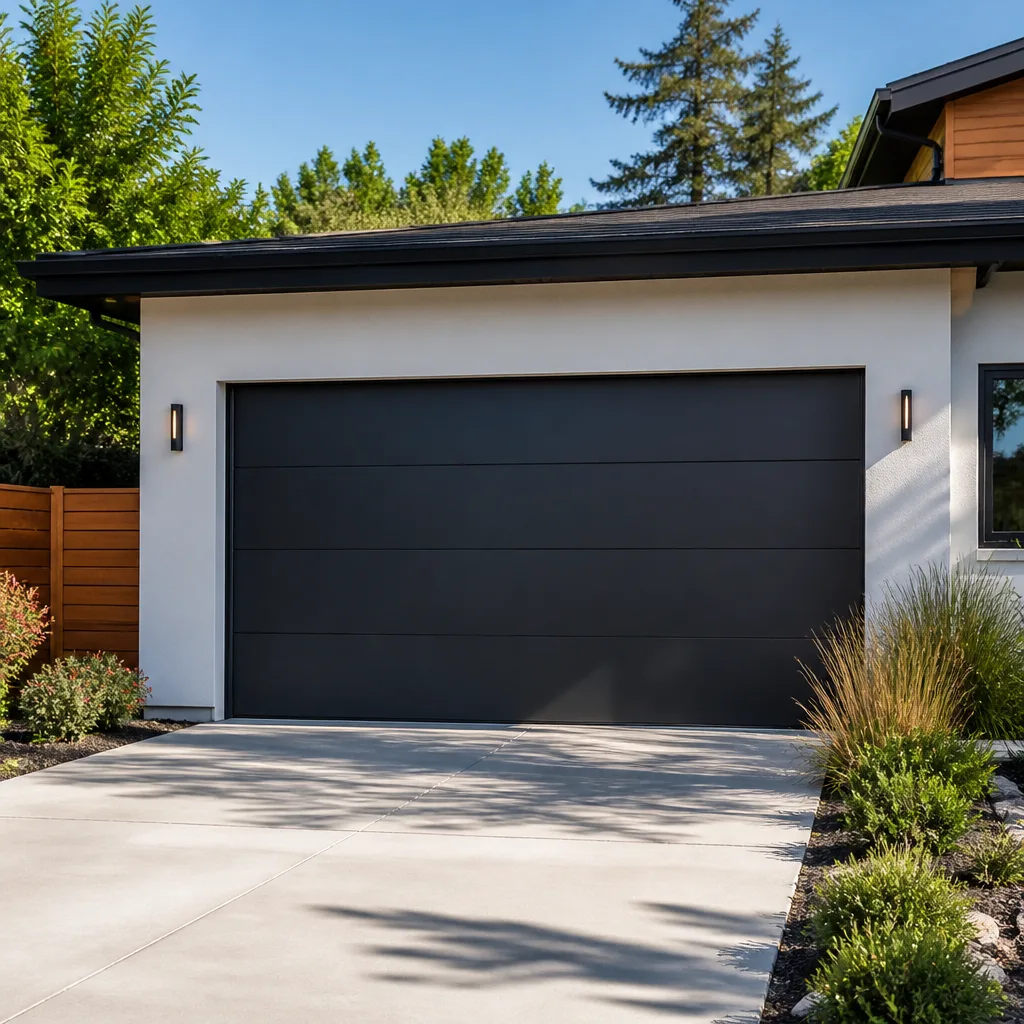 Modern flush
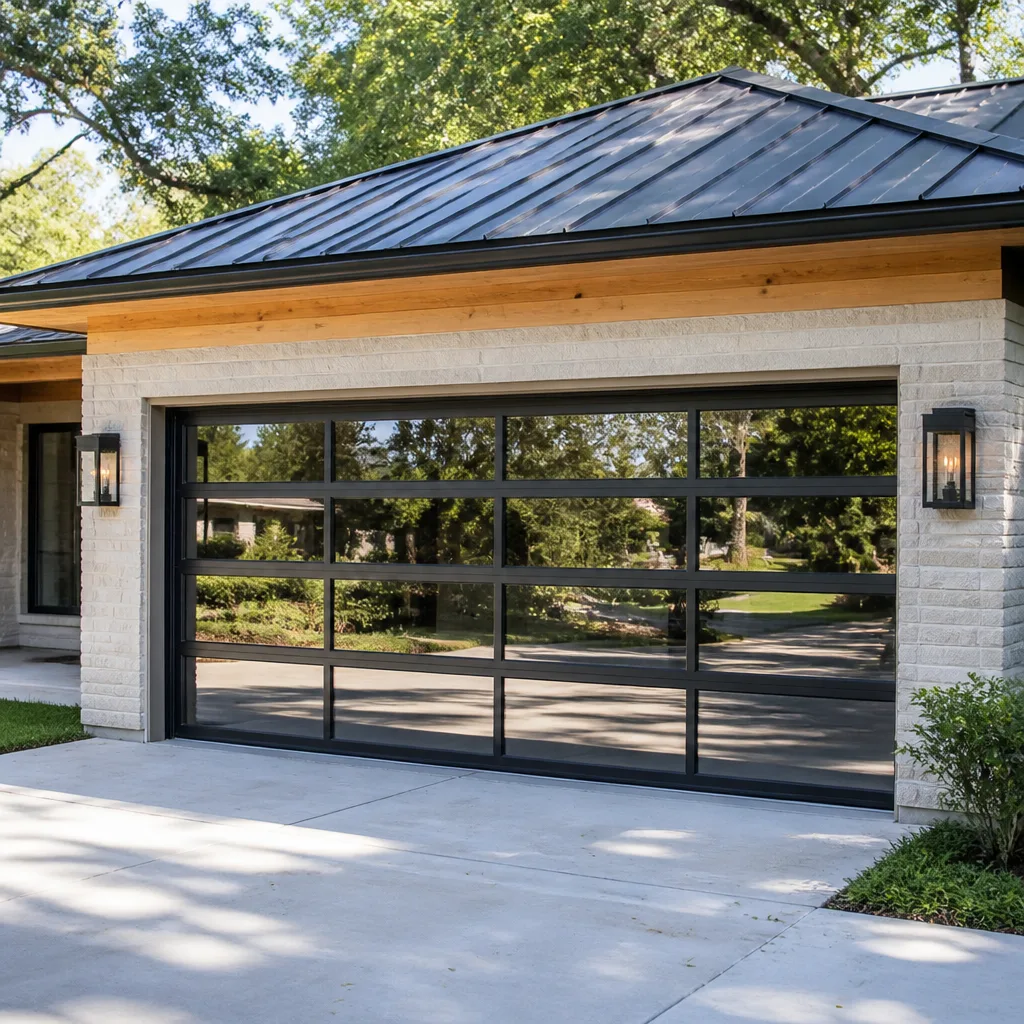 Full-view glass
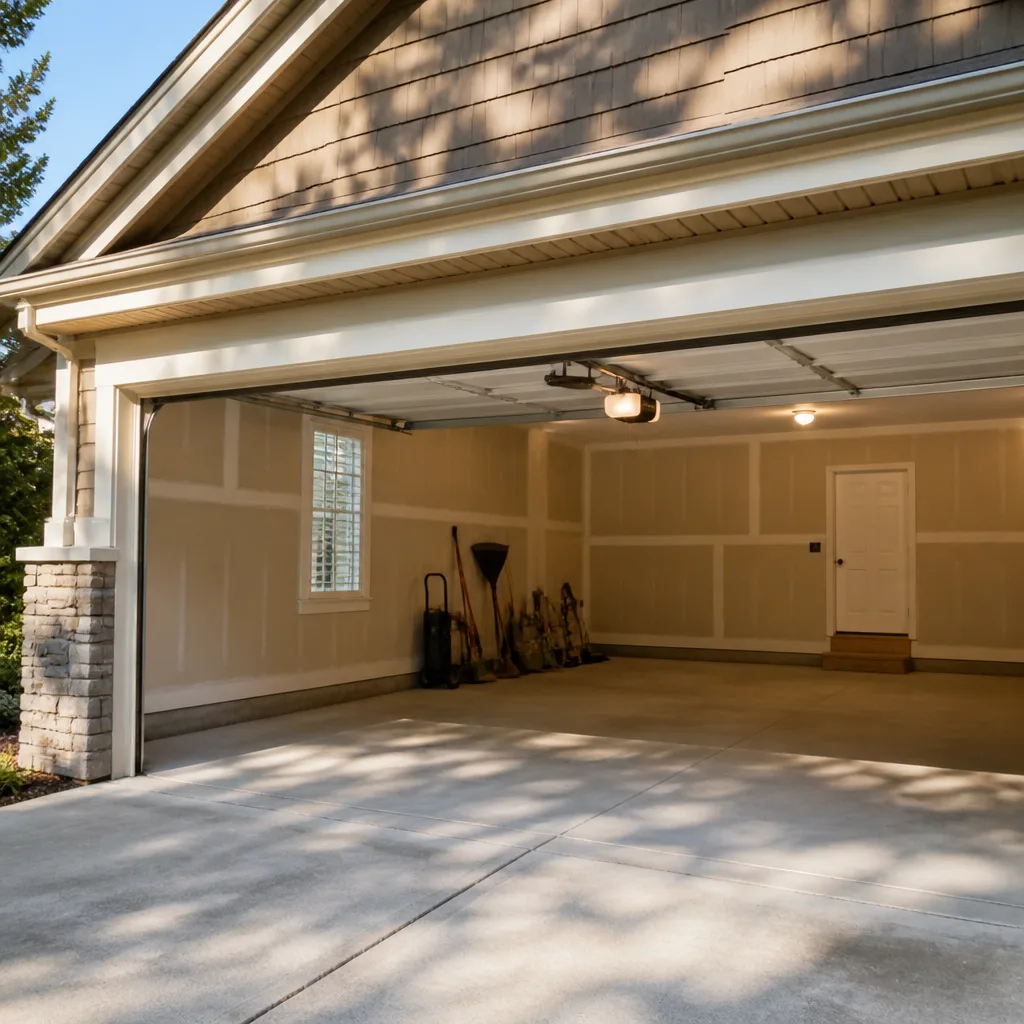 LiftMaster openers
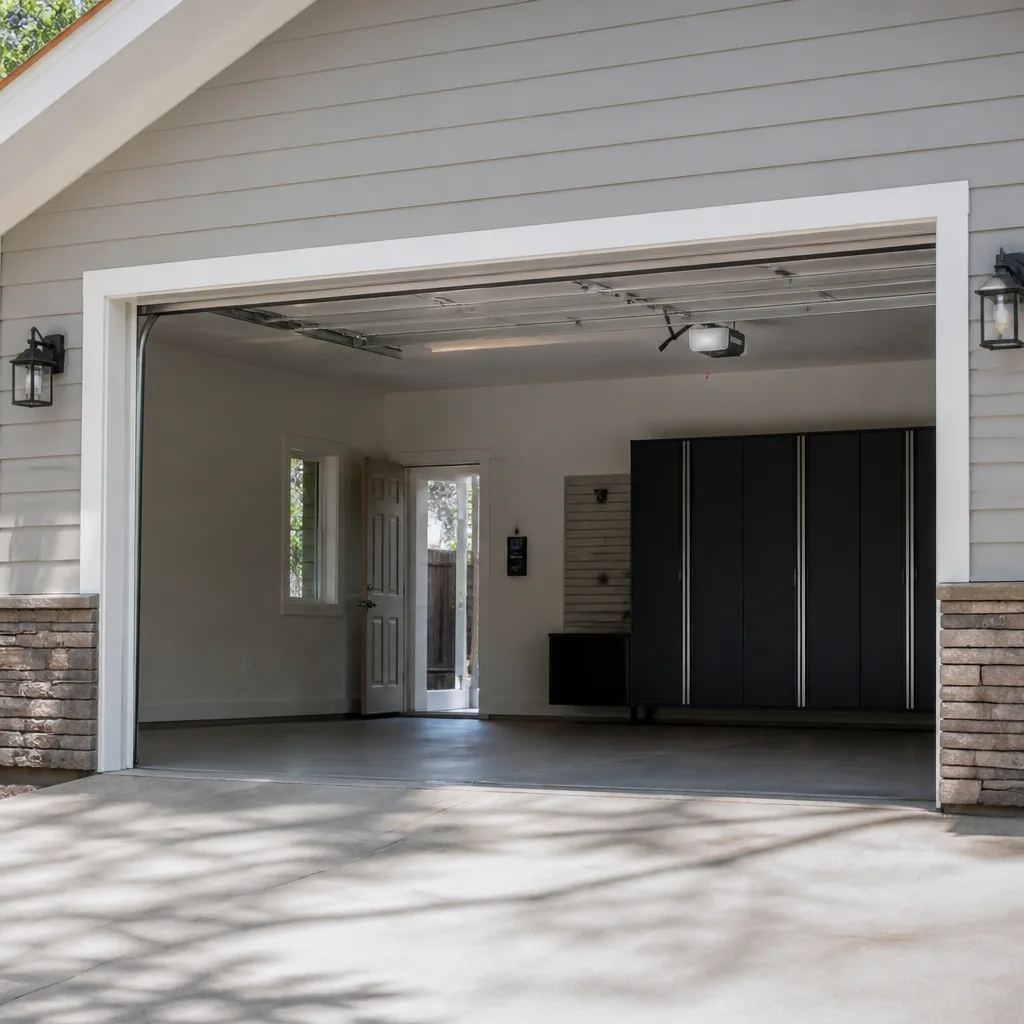 Chamberlain openers
Full 25-point door and opener safety check with every visit - springs, cables, rollers, tracks, and your LiftMaster or Chamberlain opener included
You get a price before we start. It does not change when the truck arrives.
Get your free estimateHow to Hire a Garage Door Contractor in Washington: A Step-by-Step Guide
Most hiring advice tells you to check a license, confirm insurance, and compare three quotes. That’s fine as far as it goes. But in Washington, the bigger mistake is quieter: hiring a general handyman or a multi-trade company that treats garage doors as one line item among thirty. When someone who mostly hangs drywall and cleans gutters looks at a stuck door, they often guess. A worn spring gets misread as a failing opener, and you pay for the wrong part. This guide is about vetting for depth of specialization, not just paperwork. You’ll learn the exact questions that separate a garage door specialist from a jack-of-all-trades, how DC licensing works and what it doesn’t promise, and how to read a quote so the diagnosis you pay for is the one your door actually needed.
Quick Answer
To hire a garage door contractor in Washington, verify a current DC Home Improvement Contractor (HIC) license and proof of insurance first, then dig into specialty: ask how many garage doors they work on in a typical week, which brands they know, and whether they can explain why your door is behaving the way it is. Get a written, itemized quote that separates parts from labor, confirm the warranty covers both, and be wary of anyone who won’t put the diagnosis in writing. A licensed specialist who does only garage doors will nearly always give you a more accurate diagnosis than a generalist.
Styles & brands we work with
- Raised-panel steel
- Carriage house
- Modern flush
- Full-view glass
- LiftMaster openers
- Chamberlain openers
Table of Contents
- Why Specialization Beats a General Handyman in Washington
- How to Verify a Contractor’s DC License and Insurance
- The Interview Questions That Reveal True Specialization
- Why Three Quotes Often Mean Three Diagnoses
- How to Read a Garage Door Quote Line by Line
- Red Flags in DC Garage Door Quotes
- What a Real Parts and Labor Warranty Looks Like
- Springs, Openers, and Safety: What to Leave to a Pro
Why Specialization Beats a General Handyman in Washington
Garage doors are a system, not a single part. A torsion spring, a set of cables, a track, a hinge, a roller, and an opener all have to work together, and a failure in one can look exactly like a failure in another. That overlap is where generalists get in trouble. A door that won’t open might have a broken spring, a stripped opener gear, a misaligned safety sensor, or a snapped cable. To someone who touches garage doors a few times a year, those all present as “the door isn’t working.” To someone who works on them every week, the sound of a snap, the position of the door when it stopped, and the way the opener strains all point to different answers.
Washington homes run the range from older rowhouses with tight single-car garages to newer construction with wider doors and modern openers. That variety means a specialist has to know a lot of equipment, not one model. We specialize exclusively in garage doors. It’s the only thing we do, and we do it completely: repair, opener repair, and full installation. Every technician and every part on the truck is specific to this trade. Nothing is shared across plumbing, HVAC, or electrical calls. That focus is the whole reason a specialist can diagnose faster and more accurately. When your whole business is garage doors, pattern recognition gets sharp. A tech who’s seen a hundred failed springs knows the difference between a spring at the end of its life and an opener that’s lost its travel limits, because they’ve made that call before.
Here’s the practical test for you as a homeowner. Ask a contractor what they’d charge to look at a door that reverses halfway up. If the answer is a flat “sounds like the opener, let’s replace it,” keep looking. A specialist will want to know the sound, the symptom pattern, and the brand before forming an opinion. That curiosity isn’t stalling. It’s how you avoid paying for a part your door never needed.
How to Verify a Contractor’s DC License and Insurance
In the District, home improvement work requires a Home Improvement Contractor license issued through the Department of Licensing and Consumer Protection. The HIC license is your baseline check: it tells you the business is registered to do home improvement work in DC, and it’s the first thing you should confirm before anyone touches your door. Ask for the license number and verify it directly with the agency rather than trusting a number printed on a flyer. You can also check whether a contractor has complaints on record while you’re there.
Here’s what the HIC license does not tell you: it doesn’t measure specialty knowledge. A licensed general contractor and a licensed garage door specialist can carry the same category of credential, but one of them has spent the last week on doors and the other has spent it on drywall, decks, and a bathroom remodel. The license confirms the business is allowed to operate. It doesn’t confirm the person diagnosing your spring does it every day. Treat the license as the entry ticket, not the finish line.
Insurance is the second baseline. Ask for proof of general liability coverage and workers’ compensation, and make sure the coverage is current. General liability protects your home if something gets damaged. Workers’ comp protects you if a technician is injured on your property. A legitimate company will hand these over without hesitation. A company that gets cagey about paperwork before the job has even started is telling you something.
One more verification step that people skip: confirm the business actually does the work rather than subcontracting it. A general contractor who “has a guy” for garage doors is a middleman. You want the people installing or repairing your door to be the same people whose name is on the quote. When you hire us for garage door repair, the technician who diagnoses the problem is the one who fixes it.
The Interview Questions That Reveal True Specialization
This is where the real vetting happens. Anyone can say “we do garage doors.” The questions below get past the marketing and into how the company actually works. Ask them on the phone before you book. A specialist answers them easily and specifically. A generalist hedges.
- “What percentage of your work is garage doors?” You’re listening for “all of it” or something close. If garage doors are one of many services, that’s your answer.
- “Which door and opener brands do you know well?” A specialist names specific brands and knows their quirks. We’re factory-familiar with eight: LiftMaster, Chamberlain, Genie, Clopay, Amarr, Wayne Dalton, Craftsman, and Raynor. That matters because each brand has its own parts, failure patterns, and adjustment procedures.
- “Do you service both legacy openers and smart-home units?” Washington homes have plenty of older openers still running, alongside newer Wi-Fi-integrated ones. A company that only knows current models will struggle with what’s already in your garage.
- “Walk me through how you’d diagnose a door that won’t close.” You want a real process, not a guess. A specialist runs through springs, cables, sensors, tracks, and the opener logic in order. A generalist jumps to “probably the opener.”
- “Do you carry common parts on the truck, or will you order everything?” A specialist keeps the frequent-failure parts on hand. A generalist makes multiple trips.
- “Who does the work, your own technicians or a subcontractor?” You want a straight answer that the company’s own people show up.
- “Can you itemize the quote by part and by labor?” A real specialist can. If the answer is “we just give a total,” that’s a red flag you’ll read more about below.
The pattern across these questions is simple. A specialist talks about your specific door, brand, and symptom. A generalist talks about the service in general terms. Listen for the difference between someone who’s already thinking about your situation and someone reading from a script. When you need garage door opener repair, knowing whether the technician already recognizes your opener’s model and its known issues saves time and money.
Why Three Quotes Often Mean Three Diagnoses
The standard advice is to get three quotes on any home project. On a garage door, that advice can backfire. Three contractors who each spend ten minutes looking at your door may give you three completely different diagnoses, and you have no easy way to tell which one actually found the root cause. One says the opener needs replacing. Another says it’s the spring. A third says the track is bent. They can’t all be right, and if you pick based on price alone, you’re essentially guessing which diagnosis was accurate.
The problem is that a short look at a garage door only reveals surface symptoms. What separates a correct diagnosis from a plausible one is depth. A specialist goes through a sequence:
- Listen to the door operate and note where it stalls or reverses.
- Check spring tension and look for a visible break in the torsion spring.
- Inspect the cables for fraying or slack.
- Test the opener’s travel limits and force settings.
- Check the safety sensors and their alignment.
- Look at the rollers, hinges, and track for wear or misalignment.
A diagnosis that comes from that full sequence is worth more than one from a glance. So instead of comparing three guesses, compare the reasoning. Ask each contractor how they arrived at their diagnosis. The one who can walk you through what they checked, and rule out the alternatives, is the one who found the real problem. Price then becomes a secondary comparison between trustworthy quotes rather than a coin flip between guesses.
In Washington’s competitive service market, the fastest responder isn’t always the most accurate one. Give a specialist the time to actually diagnose. It’s cheaper to pay for the right repair once than the wrong repair twice. If you’re in the market for a new door, the same principle applies to Washington installations: the measure and the brand recommendation should come from someone who works with doors daily, not a generalist reading a catalog.
How to Read a Garage Door Quote Line by Line
A good quote is a short, plain document, and you should be able to read it in a minute. It tells you what’s wrong, what part or parts fix it, and what the labor costs, each on its own line. Here’s what a clear quote covers and how to read it.
- The diagnosis in writing. The quote should state what the technician found. “Broken torsion spring, left side” is a real diagnosis. “Door issue” is not.
- Parts, itemized. Each part listed separately with the brand and model where relevant. If your door is a Clopay or an Amarr, the part should match what’s actually on it.
- Labor, separated. Labor should be its own line, not buried in a total. This lets you see what you’re paying for the work versus the hardware.
- One spring means one spring. A spring price is for a single spring. Many doors use a matched pair, and two springs are usually replaced together, so a pair costs roughly twice the single-spring price. A quote that gives one number without saying whether it covers one spring or two is one you need to question.
- The total, stated as an estimate. The written estimate sets the final price. Anything is called an estimate for a reason, but the number you agree to before work starts is the number you should expect on the invoice.
Your second fear, after “what’s this going to cost,” is usually “will the invoice be bigger than the quote.” It’s a fair fear, and the answer should be explicit, not implied. Ask the contractor to confirm that the price is quoted and agreed before any work begins. If they hesitate on that, walk. The quote is the agreement. If the job turns up something unexpected, a reputable technician stops and explains it before doing anything that changes the price.
Watch for a quote that refuses to separate parts from labor. That pattern hides the actual cost of the repair and makes it impossible to compare against another quote. It also tends to come with pressure to decide fast. A specialist who knows what they’re doing doesn’t need to rush you into a decision.
Red Flags in DC Garage Door Quotes
Washington’s home-services market is busy, and busy markets attract companies that lean on pressure and vague paperwork. These are the warning signs worth taking seriously.
- Vague line items. A quote that lumps everything into “garage door service: $X” tells you nothing. You can’t verify the diagnosis or compare it to another quote. Ask for the breakdown.
- Refusing to itemize parts versus labor. This is one of the biggest tells. A contractor who won’t separate them is either padding the parts cost or hiding how much they’re charging for labor. Either way, you can’t see what you’re paying for.
- Same-day pressure tactics. Being told the price is only good if you sign right now, or that a part is about to run out, is a sales technique. A legitimate fix doesn’t evaporate by tomorrow. Take the quote and think about it.
- The instant “replace it” answer. If a contractor jumps straight to a full replacement without a real diagnosis, ask why. Replacement is sometimes the right call, but it should follow a proper look, not replace one.
- No warranty in writing. If a warranty is mentioned but not written down, it doesn’t exist. Get it on the quote or the invoice.
- The price changes as you ask questions. If the number moves every time you probe, you’re not getting an estimate. You’re getting a sales negotiation.
- They can’t name your brand’s quirks. If you mention that you have a Craftsman opener and the response is blank, that’s a signal the company doesn’t work with your equipment enough to know it.
None of these alone is a dealbreaker, but two or three together mean you should keep looking. The underlying theme is transparency. A specialist has nothing to hide in the paperwork because the work speaks for itself.
What a Real Parts and Labor Warranty Looks Like
A warranty is only useful if it covers both what broke and the work that fixed it. The parts warranty on a garage door spring or opener is often separate from the labor warranty, and a quote that covers one but not the other can leave you paying twice for the same problem. Read both.
A legitimate warranty is short, written, and specific. It names what’s covered (the part, the labor, or both), how long the coverage lasts, and what voids it. Watch for boilerplate language that quietly protects the contractor instead of you. Common examples:
- Language that excludes “labor to reinstall” while implying the whole job is covered.
- Conditions that void coverage if anyone else touches the door, including you adjusting a track.
- A warranty term that’s measured from the manufacture date rather than the install date, which can mean it’s already partly expired when you get it.
- “Standard manufacturer warranty” as the only warranty stated, which shifts your claim to a manufacturer you didn’t hire.
Ask the contractor to explain the warranty on the specific parts they’re installing, not in general. If they can’t be specific, the warranty isn’t real. A specialist stands behind the diagnosis, the part, and the install together, because those three things are the whole job.
Warranty quality also tells you something about the diagnosis. A technician confident in what they found is comfortable warranting the fix. A technician guessing is more likely to fall back on vague coverage language. For Stratford Garage Door Service customers in Washington, the written quote spells out the parts, the labor, and the warranty before work begins.
Springs, Openers, and Safety: What to Leave to a Pro
Some garage door work is genuinely dangerous, and a hiring guide that doesn’t say so isn’t doing you any favors. The springs are the part to respect. A torsion spring holds a lot of stored energy, and it’s under constant tension. When one fails, it can let go with a snap that sounds like a gunshot. Working on a spring, or trying to unwind or adjust one, is not a do-it-yourself task. The same goes for the cables that run alongside them. A spring or cable suddenly releasing can cause serious injury. Adjusting an opener’s travel or force limits is less dangerous but still easy to get wrong in a way that damages the door or defeats the safety reverse.
This is the strongest argument for hiring a specialist, and it’s the reason we flag it plainly. If your spring is broken, or you suspect a cable is failing, or the door has dropped hard on one side, get a trained professional out. Don’t clamp, wind, or cut anything yourself. A tech knows how to release the tension safely and how to replace a spring as part of a matched pair. Replace only one spring of a pair that’s the same age, and the surviving one usually follows soon after. A specialist will explain the pair question to you directly, and that’s a good sign the work is being done right.
Openers have their own safety checks. The reverse test, where the door should reverse when it hits an obstruction, is a quick thing to check, and a specialist will verify it after any opener work. The force settings should match the door, not be maxed out to compensate for a problem elsewhere. If an opener is straining, the cause is often in the door, not the motor. That’s the misdiagnosis this whole guide is about. A generalist replaces the opener. A specialist finds the drag in the door and fixes the actual problem.
Common Mistakes to Avoid
- Hiring the first quote without a specialty check. A license and a good personality aren’t enough. Ask the specialization questions before you book, or you may pay for a generalist’s guess. In Washington, plenty of busy handymen quote garage doors; that doesn’t make it their trade.
- Choosing on price alone. The cheapest quote is often the one with the thinnest diagnosis. A wrong repair at a low price costs more than the right repair once. Compare the reasoning behind each quote, not just the bottom line.
- Accepting a quote that won’t itemize. If parts and labor aren’t separated, you can’t verify what you’re paying for. Push for the breakdown, or take your business elsewhere.
- Letting a same-day tactic rush you. A repair doesn’t get more expensive overnight because you wanted to think. Any urgency that pushes you to sign on the spot is a sales move, not a service one.
- Skipping the warranty in writing. A verbal warranty is worth nothing. Get the parts and labor coverage written on the quote or invoice so you have it when you need it.
- Assuming a licensed generalist knows your brand. A DC HIC license says a contractor can do home improvement work; it says nothing about knowing the quirks of a Wayne Dalton or an Amarr door. Specialty knowledge comes from doing the work, not from the license category.
- Touching a spring yourself. It’s the one mistake that can hurt you badly. Springs and cables are strictly professional work. If you suspect a spring problem, stop and call.
See the difference
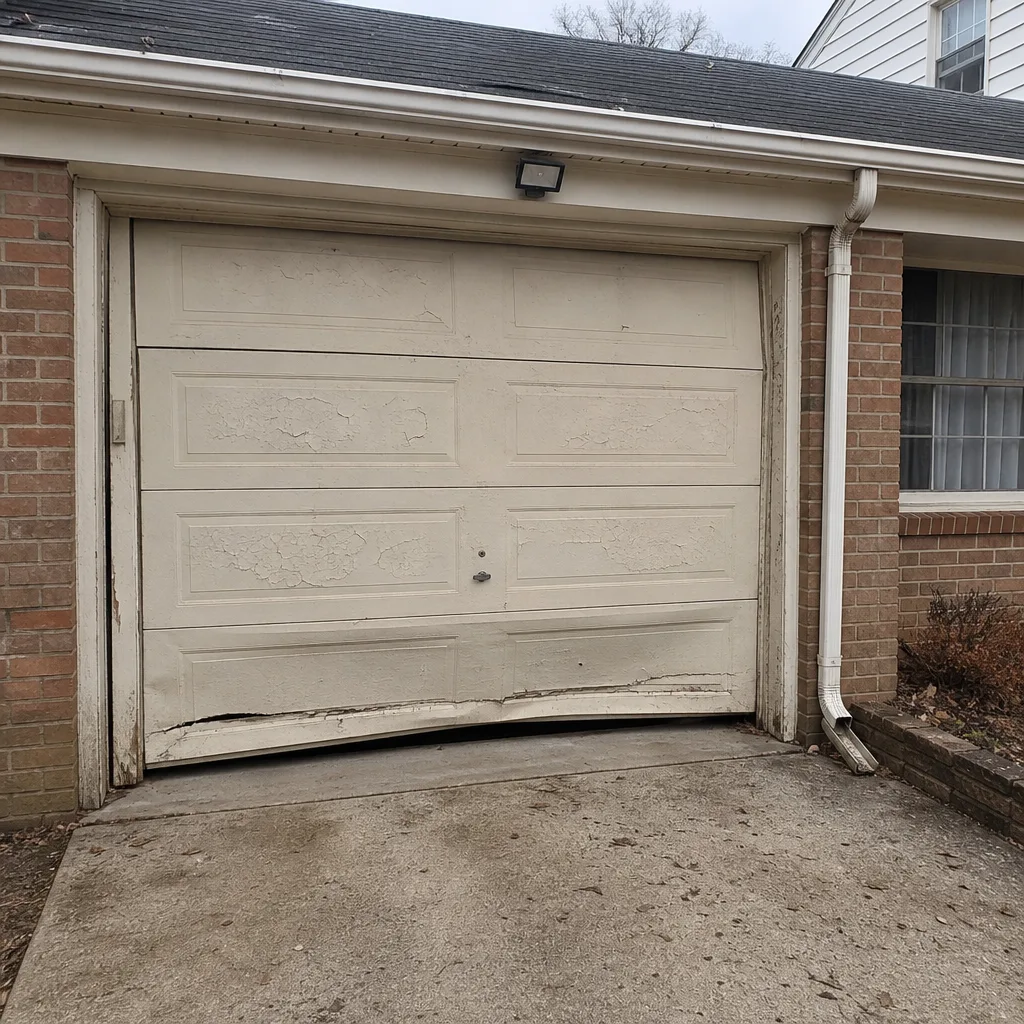 Before
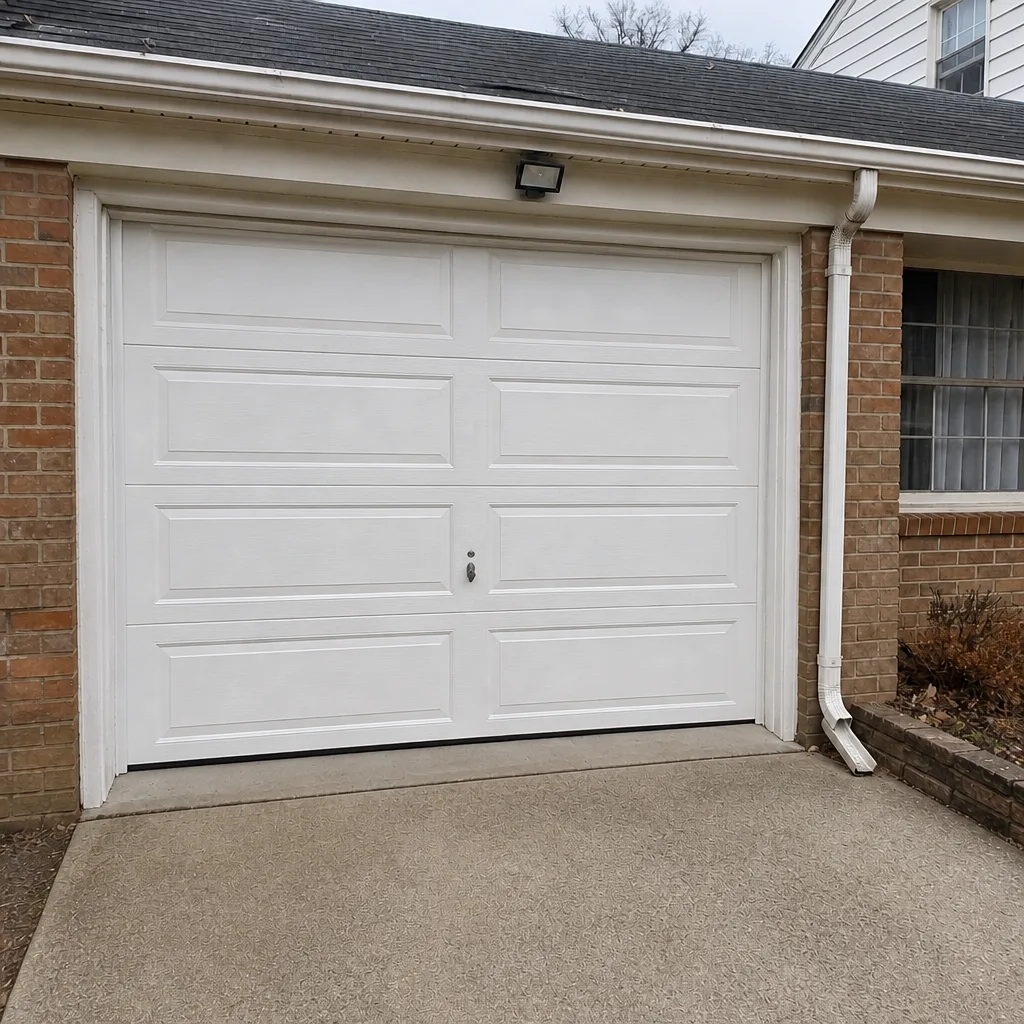 After
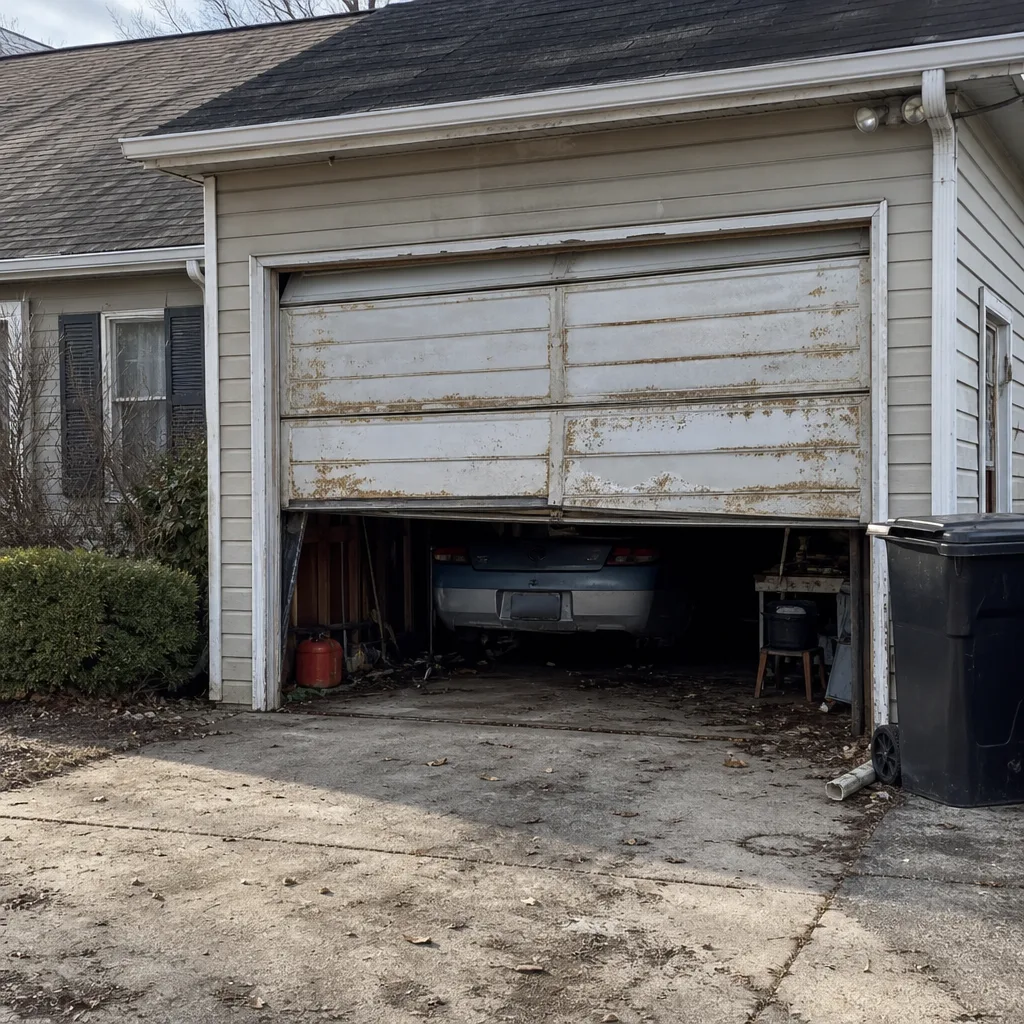 Before
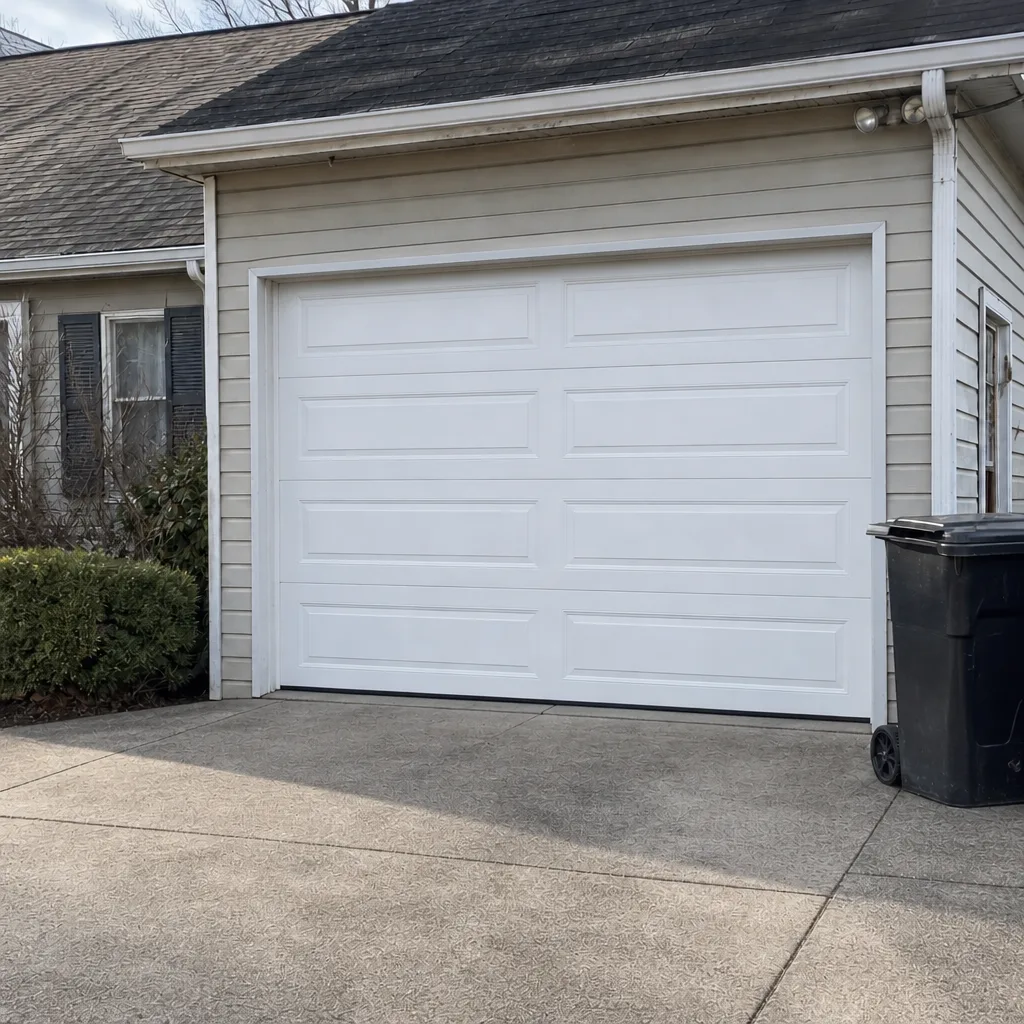 After
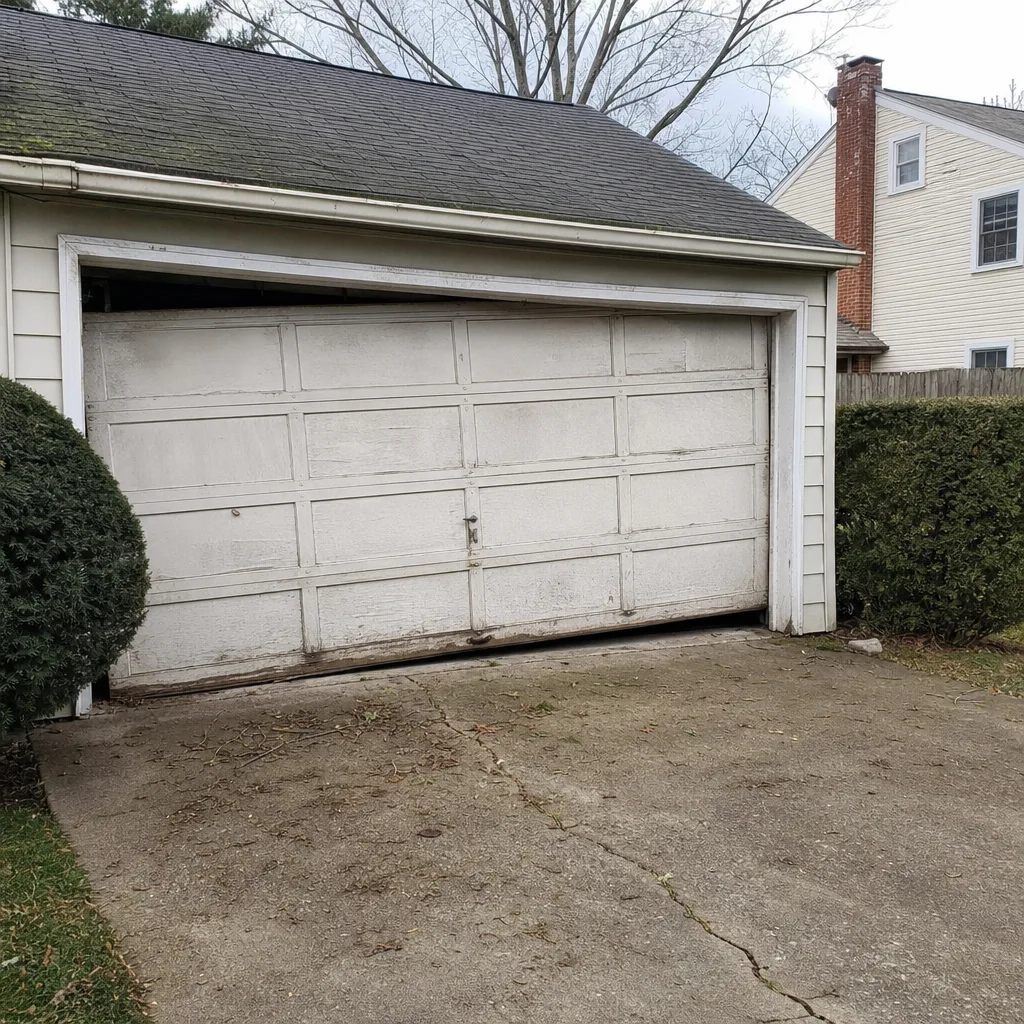 Before
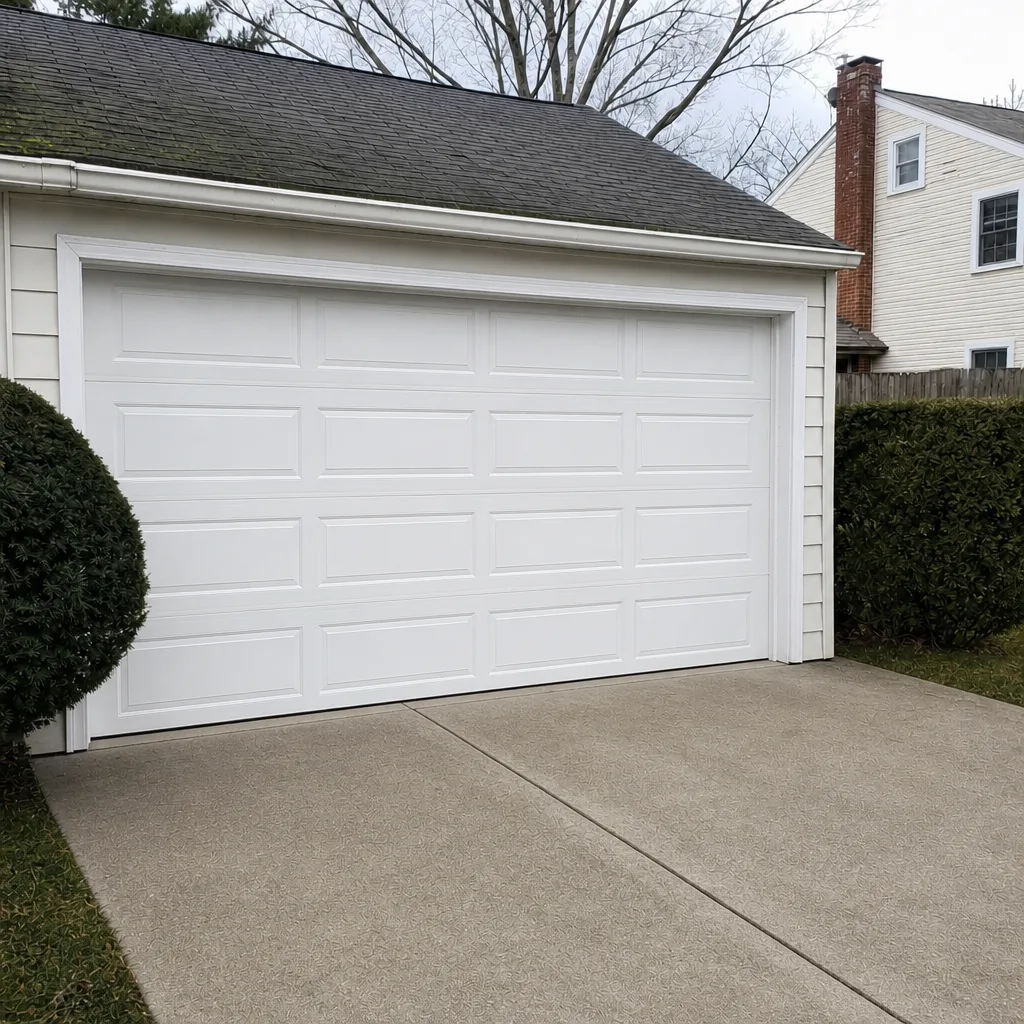 After
When to Call a Professional
Some problems should send you to the phone rather than the toolbox. If the door won’t open or close at all, if you heard a loud snap from the springs, if the door is crooked or hanging on one side, or if the opener keeps reversing or the door won’t stay down, those are all signs of a failure that needs a trained eye. Even a door that works but sounds different (slower, grinding, or straining) is worth a look before a small problem becomes a broken one. If you aren’t sure what’s wrong, a proper diagnosis is the whole point. Stratford Garage Door Service offers free estimates in Washington. Call (844) 372-0752. We answer 24/7, with fast dispatch from 7am to 7pm, Sunday through Friday. A call outside dispatch hours is booked into the next opening.
Frequently Asked Questions
Ask how much of their work is garage doors, which brands they know, and how they’d diagnose a door that won’t close. A specialist answers with specifics about your door and its symptoms; a generalist gives vague, general answers. Also ask whether they itemize parts versus labor on the quote, since a specialist has no trouble doing that.
No. The HIC license confirms the business is registered to do home improvement work in DC, and you should verify it with the Department of Licensing and Consumer Protection. What it doesn’t guarantee is specialty knowledge. A licensed generalist and a licensed garage door specialist can hold the same category of credential, but only one of them diagnoses springs and openers every week. Treat the license as a baseline, then vet for specialty separately.
Because a short look at a garage door only shows surface symptoms, and different contractors stop at different depths. One may blame the opener, another the spring, another the track. The fix is to ask each contractor to walk you through what they checked. The one who can explain their reasoning and rule out the alternatives found the root cause. A full diagnostic sequence covers springs, cables, opener limits, sensors, rollers, and track before any conclusion is reached.
The cost depends on what’s actually wrong, which is why the diagnosis matters more than any generic number. Springs, openers, cables, and track each carry different parts and labor, and a spring price covers a single spring, so a matched pair costs about twice that. The written estimate sets the final price, and it should be quoted and agreed before work begins. Call (844) 372-0752 for a free estimate.
It shouldn’t be. The price is quoted and agreed before any work starts, and the written estimate is the number you should expect. If the job turns up something unexpected, a reputable technician stops and explains the change before doing anything that affects the price. Ask any contractor to confirm that up front. Call (844) 372-0752 and we’ll put it in writing.
We answer 24/7, and dispatch runs 7am to 7pm, Sunday through Friday. Same-day service is often possible for repair and opener problems. For a new door or a replacement, the work is measured, ordered, and scheduled, so you’ll get a free measure and a written price instead of a same-day install. Call (844) 372-0752 to get on the schedule.
The Bottom Line
Hiring a garage door contractor in Washington comes down to one question: is this person a garage door specialist, or a generalist who happens to quote doors? Verify the HIC license and insurance as your baseline, then vet for depth. Ask the specialization questions, compare diagnoses instead of just prices, and demand a quote that itemizes parts and labor with a written warranty. A specialist has nothing to hide in the paperwork because the diagnosis is right. A wrong repair costs more than the right one, and the difference shows up in the first phone call. Get garage door repair in Washington from a company whose whole business is the door in your garage.
Contact Us
Ready to get your door looked at by a specialist who works on garage doors every day and not as a sideline? Stratford Garage Door Service offers free estimates in Washington for repair, opener repair, and new installation. We know the equipment already in your garage, from LiftMaster and Chamberlain openers to Clopay and Wayne Dalton doors, and we recommend the fix that fits the door you have. We specialize exclusively in garage doors, repair-first and brand-agnostic, and every technician, tool, and part on the truck is dedicated to this trade. Call (844) 372-0752. We answer 24/7, with fast dispatch from 7am to 7pm, Sunday through Friday. A call outside dispatch hours is booked into the next opening.
Written by the team at Stratford Garage Door Service, serving Washington since 2015.