
Last updated November 14, 2026
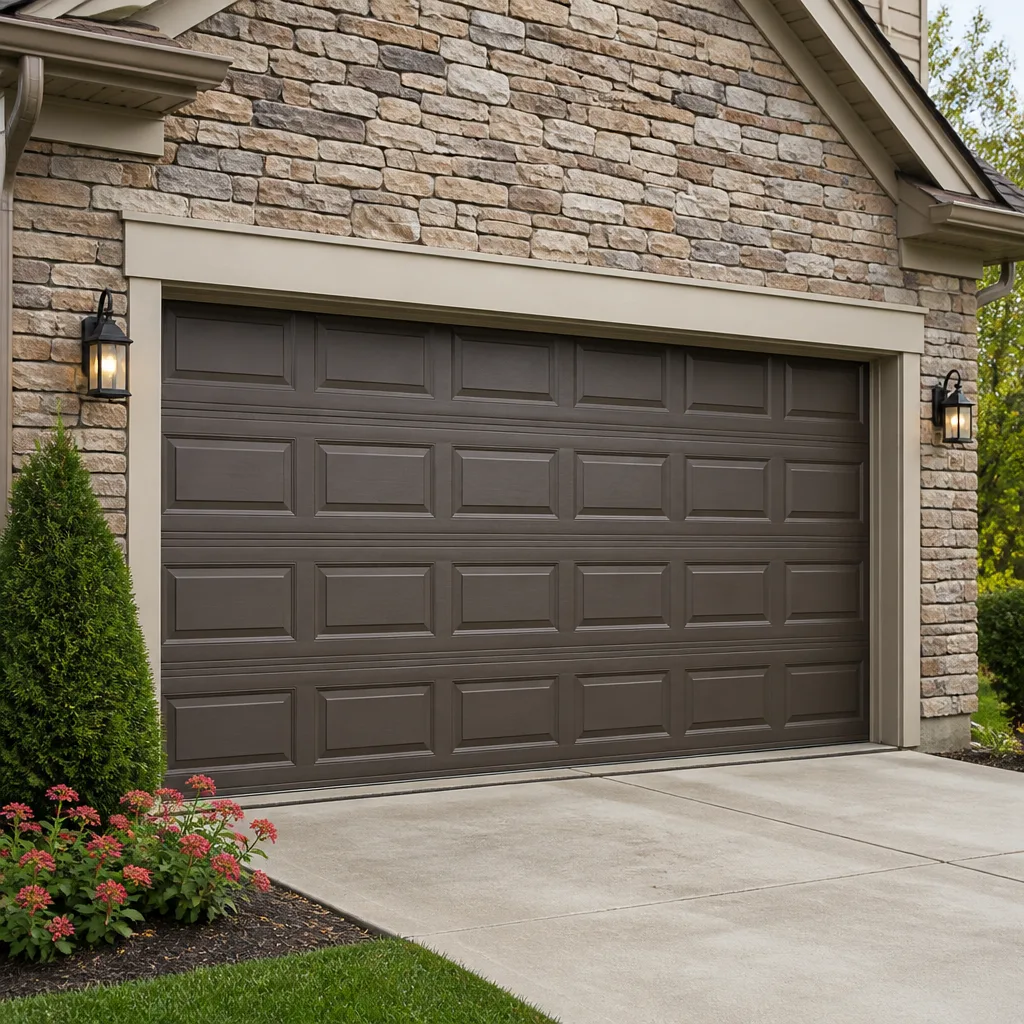 Raised-panel steel
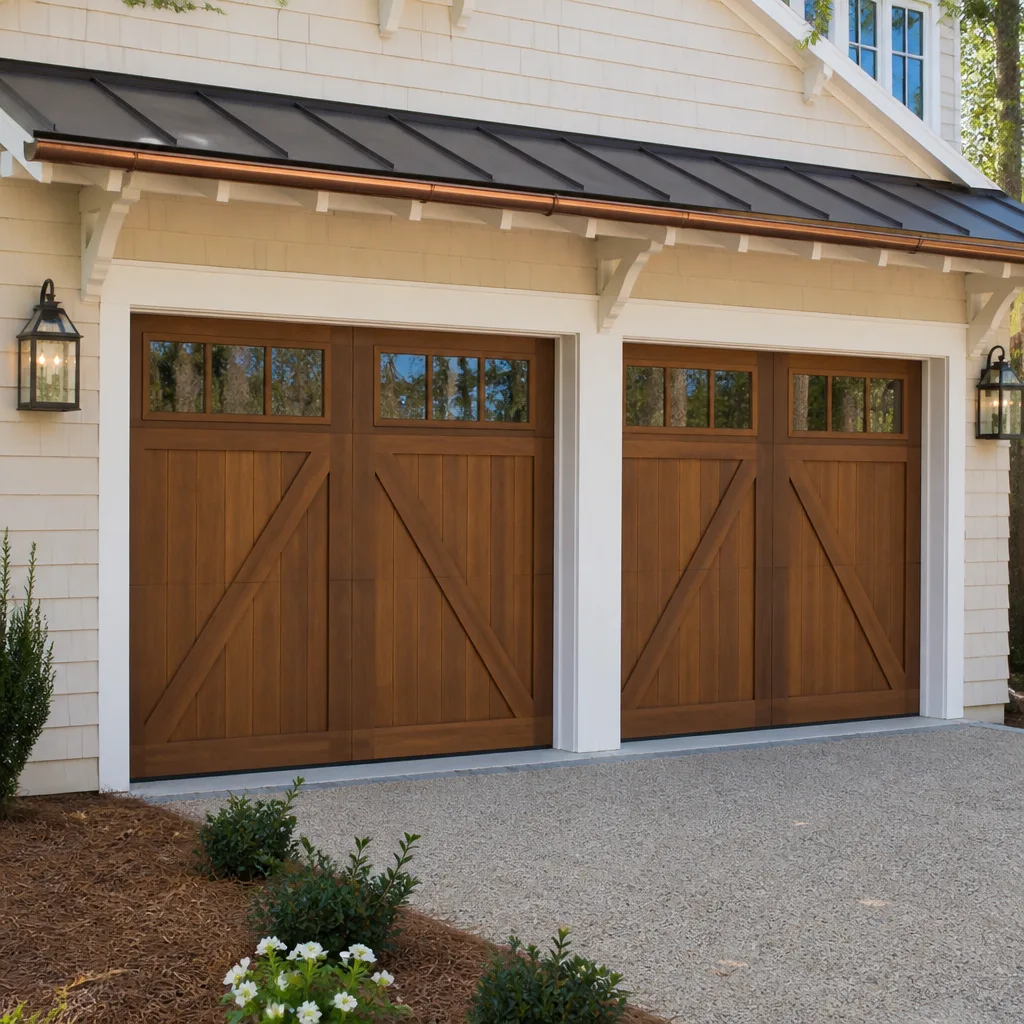 Carriage house
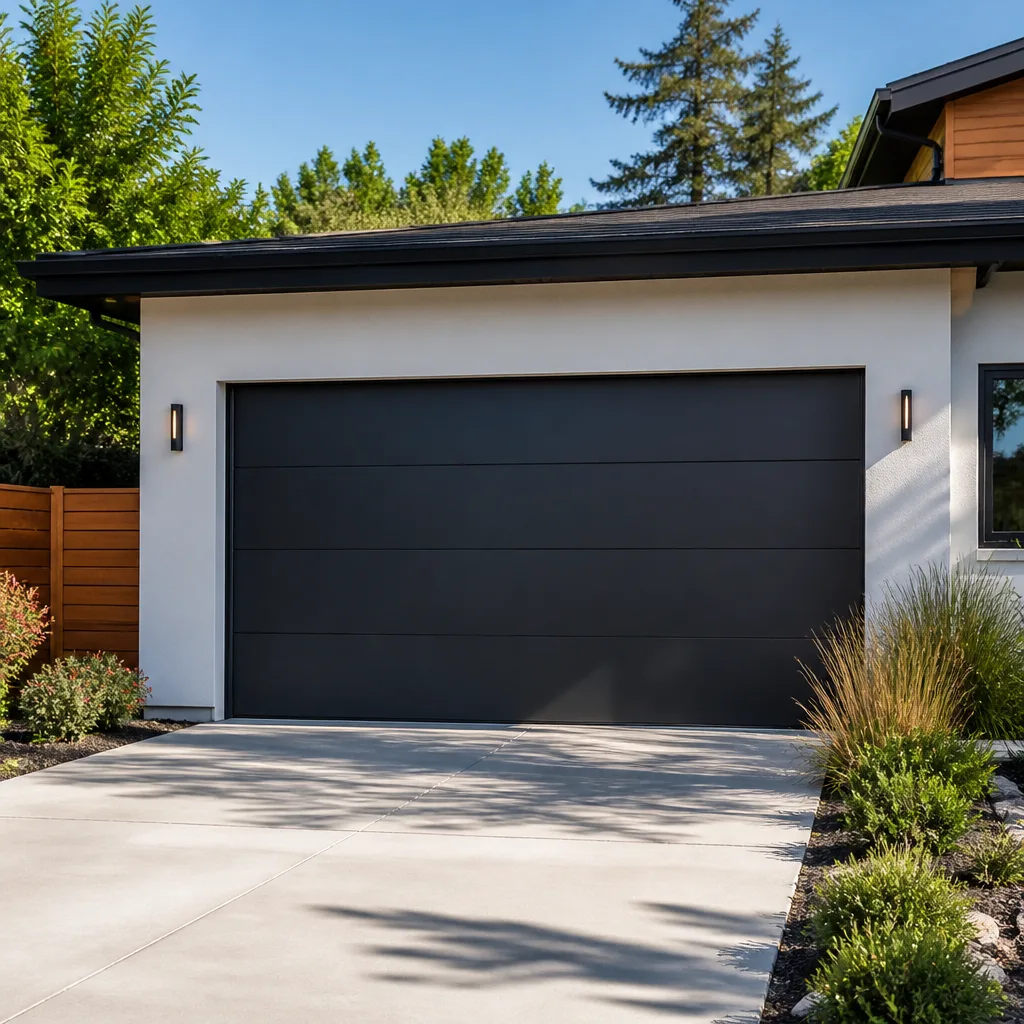 Modern flush
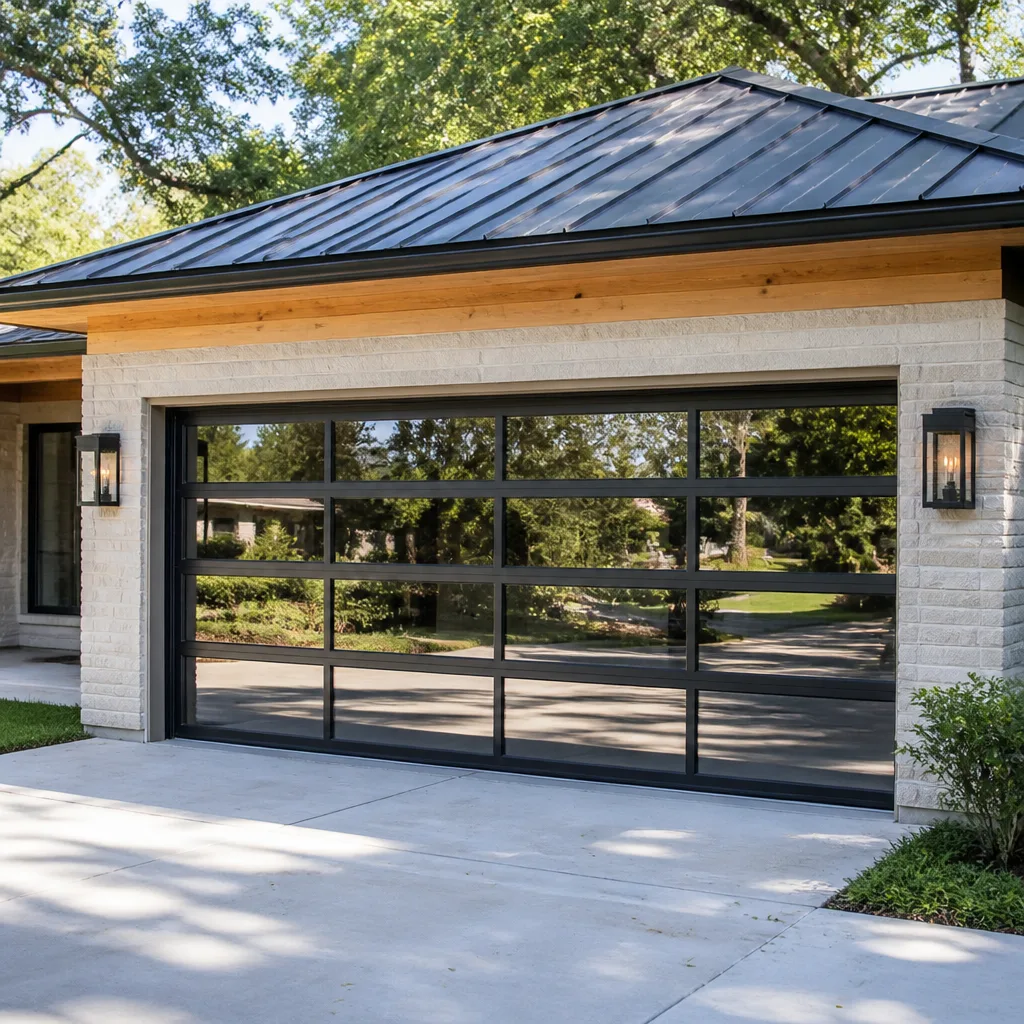 Full-view glass
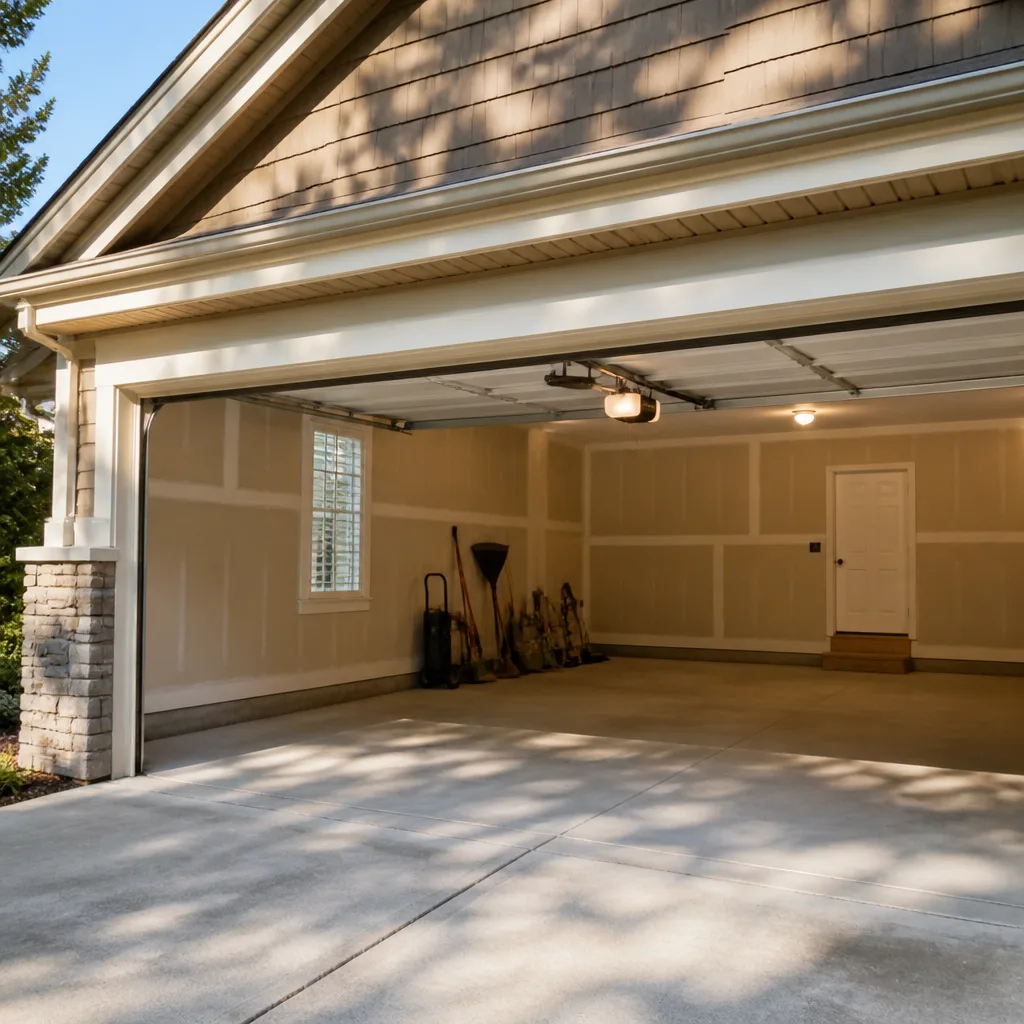 LiftMaster openers
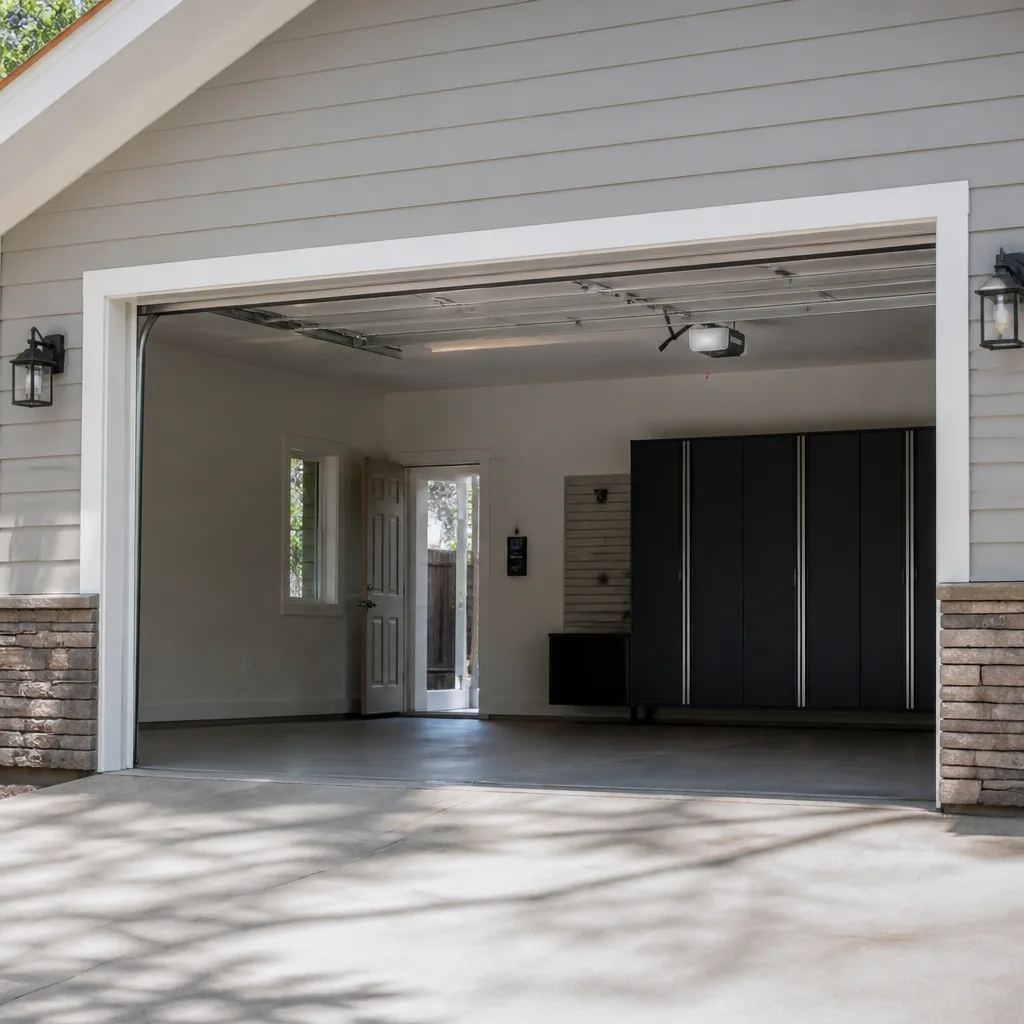 Chamberlain openers
Full 25-point door and opener safety check with every visit - springs, cables, rollers, tracks, and your LiftMaster or Chamberlain opener included
You get a price before we start. It does not change when the truck arrives.
Get your free estimateThe Complete Guide to Garage Doors in Washington
Most Washington homeowners assume their garage setup works like the ones in national how-to guides: a wide driveway, a deep setback, room to swing a door up and back. Then they walk out to the alley and realize none of it applies. In neighborhoods like Capitol Hill and Georgetown, the garage is reached from a service alley, the door is narrower than the car brochures assume, and the opener has less headroom to work with than a suburban install. This guide treats those conditions as the starting point. You’ll learn how alley access shapes sizing and clearance, which materials survive a Washington summer, what historic overlays mean for your door choice, and which permit triggers actually apply here.
Quick Answer
Choosing a garage door in Washington comes down to four local factors: alley-load access that limits door width and headroom, a humid summer-to-icy-winter cycle that punishes the wrong materials, historic preservation overlays that constrain appearance in districts like Capitol Hill and Georgetown, and a permit process that differs from suburban Maryland or Virginia. Match the door and opener to those conditions first, then compare brands and prices.
Styles & brands we work with
- Raised-panel steel
- Carriage house
- Modern flush
- Full-view glass
- LiftMaster openers
- Chamberlain openers
Table of Contents
- How alley-load garages change door sizing and clearance
- Which door materials hold up against Washington’s climate
- Historic districts and what they mean for your door
- Choosing an opener for a dense urban block
- Permit triggers specific to Washington
- When to repair and when to replace
- What garage door work costs in Washington
- Matching a brand to your existing door
How Alley-Load Garages Change Door Sizing and Clearance
In much of Washington, the car reaches the garage from an alley behind the rowhouse, not from the street. That single fact reshapes decisions that national guides never mention. An alley approach is often tight and uneven, and the space between the door opening and the alley edge is short, so the door has to work in a footprint the suburbs don’t have.
The practical consequences:
- Width matters more than style. A door sized for a standard two-car driveway may simply not fit an alley-load opening. Measure the rough opening before you fall in love with a model.
- Headroom is the hidden constraint. A traditional sectional door needs room above the opening to travel up and back. In a low-clearance garage, that room may not exist, which pushes you toward a low-headroom track or a different door type entirely.
- Opener placement is tighter. With less ceiling space, a jackshaft or side-mount opener can be the difference between a workable install and a door that won’t clear the tracks.
- Backup clearance matters. A short alley means the car sits close to the door, so the door must open cleanly without the car creeping into its path.
We’ve seen plenty of Washington garages where the “obvious” door from an online catalog turns out to be the wrong size for the opening. Measure twice, then confirm the headroom and side clearance against the door spec before ordering.
Which Door Materials Hold Up Against Washington’s Climate
Washington’s weather runs a wide arc through the year: humid, hot summers from May through September, then cold snaps and ice in winter. That swing is hard on garage doors. Materials that shrug off a dry climate can warp, swell, or rust when they spend the summer in heavy humidity and the winter in freezing cycles.
Here’s how the common materials tend to behave here:
- Steel: The workhorse choice. It handles humidity well when the finish stays intact, and it’s easy to maintain. Watch for rust at the bottom edge and around hardware where moisture collects.
- Aluminum: Lighter and rust-resistant, a good fit for humid summers. It can dent more easily, so it suits garages where the door isn’t in the path of a stray bumper.
- Wood: Beautiful, and a strong match for historic homes, but it needs regular sealing to handle the summer humidity and winter freeze. Skip the maintenance and it will move and warp.
- Composite and insulated options: Worth considering when you want the wood look without the upkeep, or when the garage sits under living space and insulation helps.
Insulation is a quiet benefit in Washington. A humid summer and a cold winter both make an uninsulated door work harder, and an insulated door holds up better to the seasonal swing. If your garage shares a wall with the house, insulation is worth pricing in from the start.
Historic Districts and What They Mean for Your Door
Capitol Hill and Georgetown carry historic preservation overlays, and those overlays can shape what door you’re allowed to install. This is one of the areas where a national guide gives you nothing useful. The restrictions aren’t about brand or price; they’re about appearance and how the door fits the character of the block.
What that usually means in practice:
- Appearance rules can limit style and color. A modern panel door or an unusual color may not be approved in an overlay zone. Check before you order.
- Replacement may need review. Even a like-for-like swap can trigger a review in a historic district, so confirm the process with the city before work begins.
- Repair is often the simpler path. If the existing door fits the district, repairing it can sidestep the review entirely. That’s a repair-first mindset at work, and it’s usually the right answer for a historic home.
We can’t tell you what your specific overlay will approve, because the rules vary block by block. Ask the city’s preservation office or building department directly. What we can do is install and service a door that meets the physical requirements once the approval is in hand.
Choosing an Opener for a Dense Urban Block
On a crowded Washington block, the opener choice is about noise as much as power. Rowhouses sit close together, and a chain-drive opener sends vibration through shared walls and into neighboring units. That’s why the drive type matters here in a way it doesn’t on a half-acre lot.
The three main drive types, and how they land in a dense neighborhood:
- Belt drive: The quietest of the common options. A strong fit for rowhouses where the garage shares a wall with a neighbor or sits under a bedroom.
- Chain drive: Durable and budget-friendly, but louder. Fine if the garage is detached and noise isn’t a concern.
- Direct drive and screw drive: Fewer moving parts and generally smooth, with noise somewhere between belt and chain depending on the unit.
Smart-home integration is the other decision. If you want to open the door from your phone or tie it into a home system, the LiftMaster and Chamberlain lines are the ones built for it. Legacy and budget openers like Genie and Craftsman are still everywhere in Washington garages, and they’re just as serviceable. Our garage door opener repair work covers both the smart lines and the older units, so you’re not pushed toward a replacement you don’t need.
Permit Triggers Specific to Washington
Permit rules in Washington don’t match suburban Maryland or Virginia, and that catches homeowners off guard. A job that needs no permit in a Virginia suburb may need one inside the District, especially when the work touches structure or sits in a historic overlay.
What to check before you start:
- Ask the city’s building department whether your job needs a permit. Replacement, structural changes, and work in overlay zones are the usual triggers. The answer depends on your specific project.
- Confirm historic review separately. A preservation overlay is a different process from a building permit, and you may need both.
- Get the approval before ordering. A door that arrives before the paperwork clears can sit in the garage waiting.
We don’t issue permits, and we won’t guess at your district’s rules. What we will do is install to the requirements once you’ve confirmed them, and walk you through what the physical install involves so there are no surprises.
When to Repair and When to Replace
Most garage door problems are fixable, and a repair-first approach saves money. The trick is knowing which failures are a simple fix and which signal that the door itself is at the end of its life. For day-to-day problems, our garage door repair service handles everything from springs and cables to tracks, rollers, and panels.
Signs a repair is likely the right call:
- A single noisy roller, a misaligned track, or a worn hinge.
- An opener that’s lost its settings or a remote that’s stopped responding.
- A dented or damaged panel on an otherwise sound door.
- A broken spring on a door that’s otherwise in good shape.
Signs replacement is worth discussing:
- The door is sagging, cracked through the panels, or repeatedly failing in different spots.
- The structure is rusted through at the bottom or the wood has rotted past repair.
- You’re upgrading to an insulated door, or a historic overlay makes a new door the cleaner path.
One safety note that matters: garage door springs and cables are under high tension and can cause serious injury if handled without the right tools and training. Don’t attempt a spring or cable repair yourself. Leave that to a trained technician.
What Garage Door Work Costs in Washington
Pricing for garage door work is set per job by a written estimate, because every door and opening is different. We quote and agree on the price before any work starts, so the invoice matches the number you approved. Here’s how the three core services break down by what drives the cost:
| Service | What drives the price | What to expect |
|---|---|---|
| Garage door repair | Part needed, door type, access | Quoted per job after we see it |
| Opener repair or replacement | Opener brand, drive type, smart features | Quoted per job after we see it |
| New door installation | Door size, material, insulation, overlay approval | Free measure, then a written price |
For installation and replacement, the job is measured, ordered, and scheduled, so we don’t promise same-day service on new doors. What we do promise is a free measure and a written price you can plan around. For repairs, we can often get to you the same day. Call (844) 372-0752 for an exact quote. Estimates are free.
Matching a Brand to Your Existing Door
Brand-agnostic expertise serves your existing setup best. We’re factory-familiar with eight major brands, so we already know the quirks and failure patterns of the equipment in your garage before we arrive. That saves diagnosis time and means fewer return trips.
The brands we know inside and out:
- Openers: LiftMaster, Chamberlain, Genie, and Craftsman cover the smart-home lines and the legacy units still common across Washington.
- Doors: Clopay, Amarr, Wayne Dalton, and Raynor span steel, wood-look, and insulated options.
If you’re replacing, we’ll recommend based on the door and opener you have, not on pushing a particular brand. We specialize exclusively in garage doors. That focus means every tool and every part on the truck is for this trade, not shared across plumbing or electrical calls. It’s the reason we can repair, service, and install the full range of doors and openers without handing the job to a subcontractor.
Our approach to Washington’s housing stock is simple: match the door to the opening, the material to the climate, the opener to the block, and the appearance to the overlay. Everything else follows from those four filters.
Common Mistakes to Avoid
- Ordering a standard-size door for an alley-load garage. An alley approach often means a narrower opening and less headroom than a driveway setup. Measure the rough opening and confirm clearance before you buy.
- Ignoring the headroom requirement. A sectional door needs space above to travel. In a low-clearance Washington garage, that space may not exist, which points you toward a different track or opener type.
- Choosing a loud opener on a shared wall. A chain-drive unit on a rowhouse wall can send noise into the neighbor’s unit. Belt drive is the quieter choice in a dense block.
- Skipping the historic overlay check. In Capitol Hill and Georgetown, appearance rules can block the door you want. Confirm approval before you order.
- Assuming a repair needs a full replacement. A single noisy roller or a misaligned track is a fix, not a new door. A repair-first mindset saves money.
- Handling a spring or cable yourself. These parts are under high tension and can cause serious injury. Leave spring and cable work to a trained technician.
- Picking a material that fights the climate. Unsealed wood warps through Washington’s humid summers and icy winters. Match the material and insulation to the seasonal swing.
See the difference
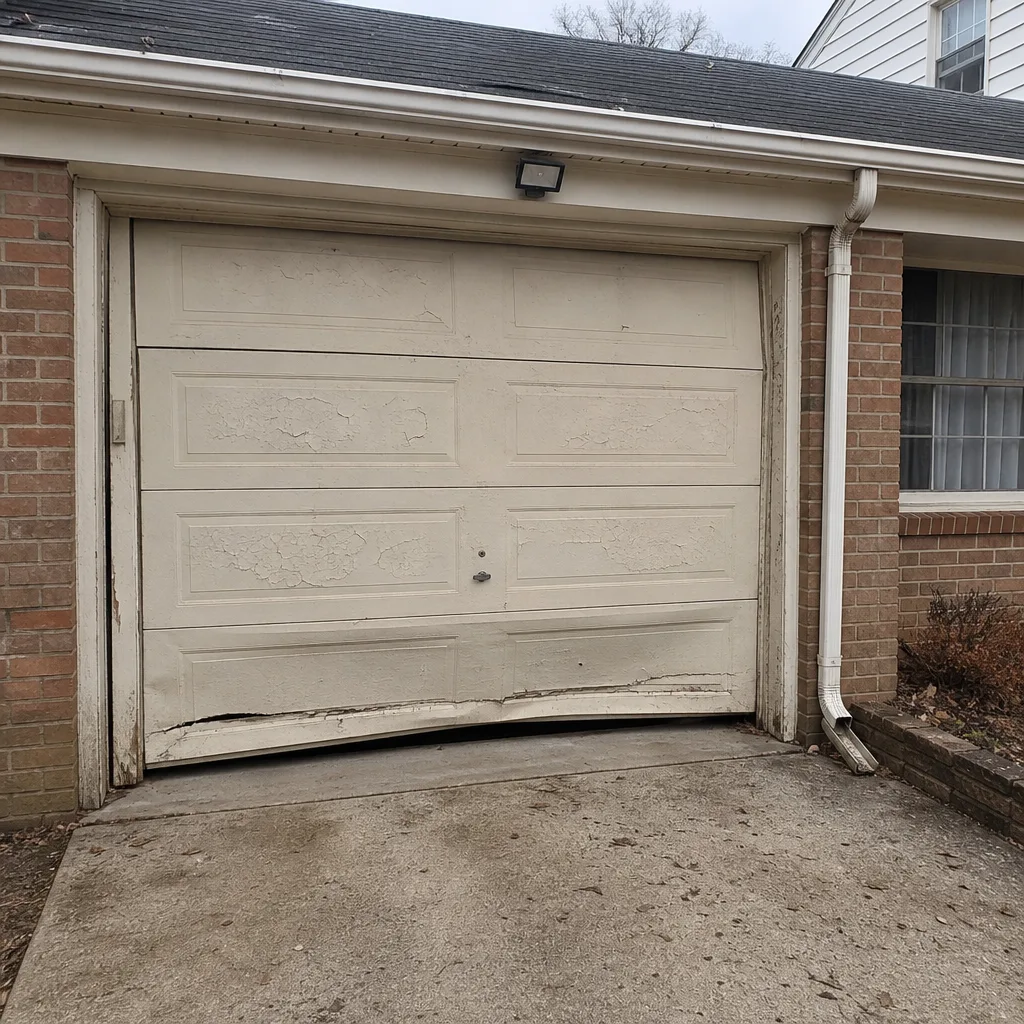 Before
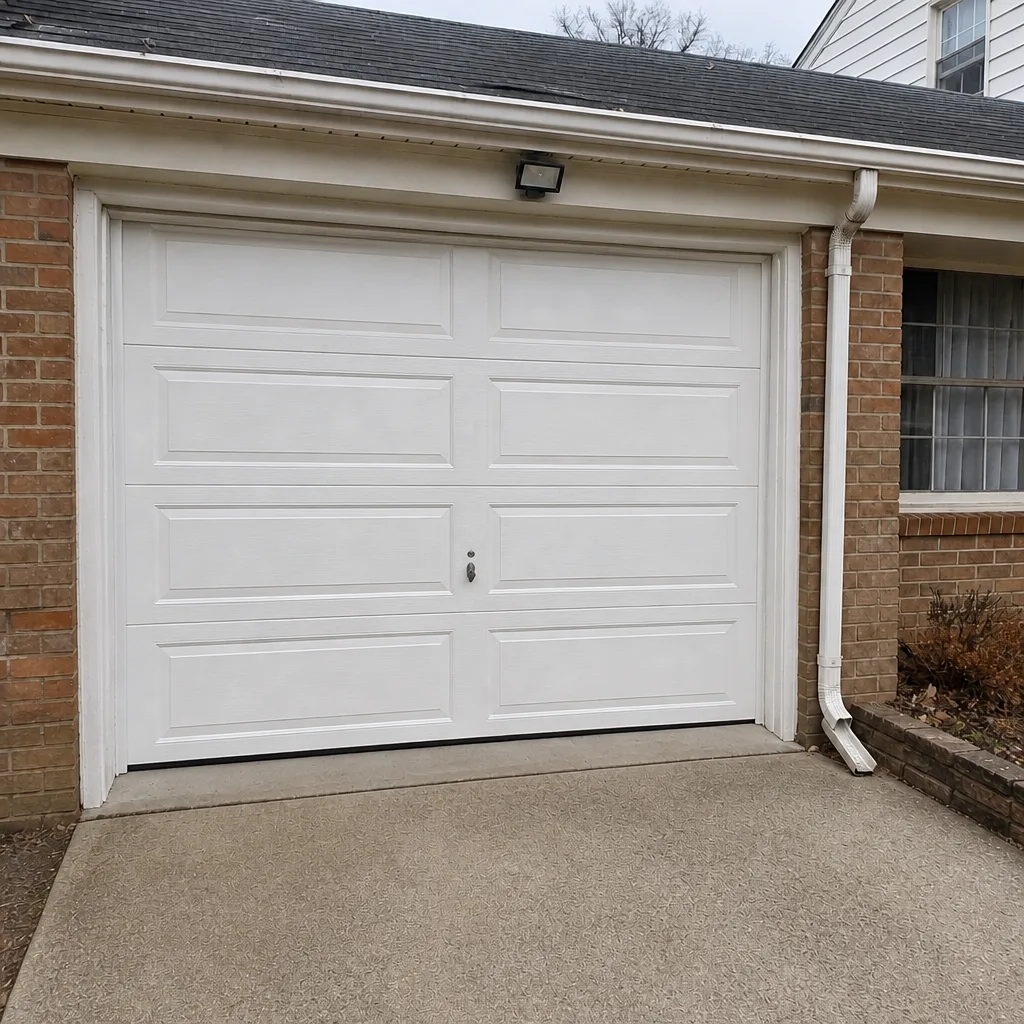 After
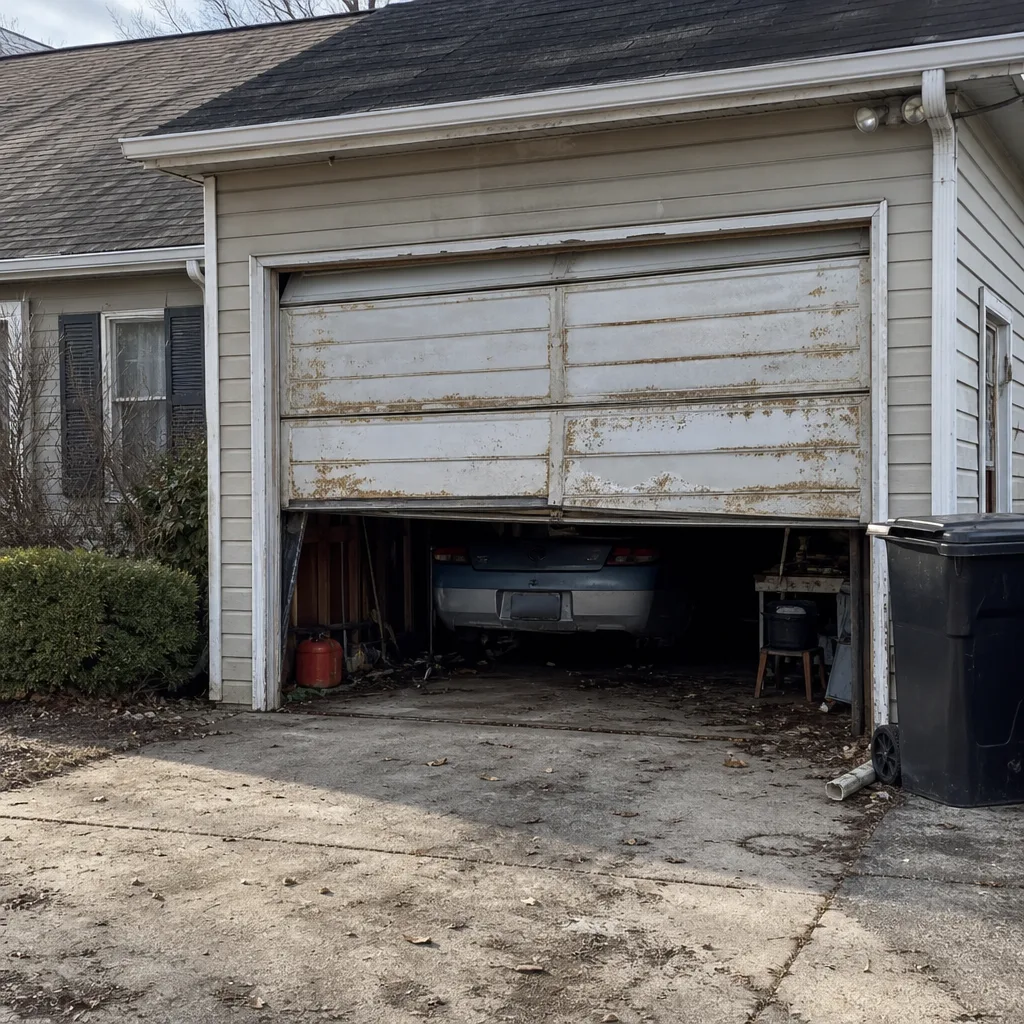 Before
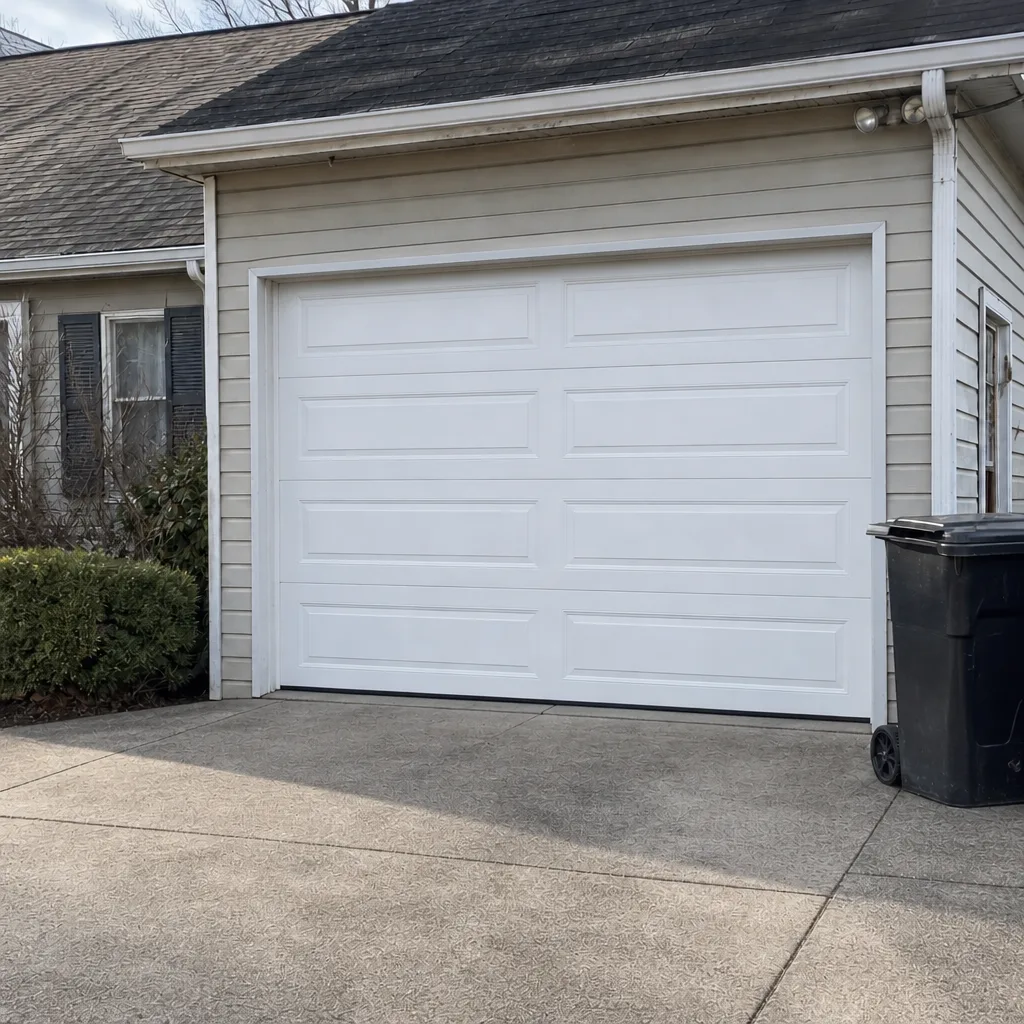 After
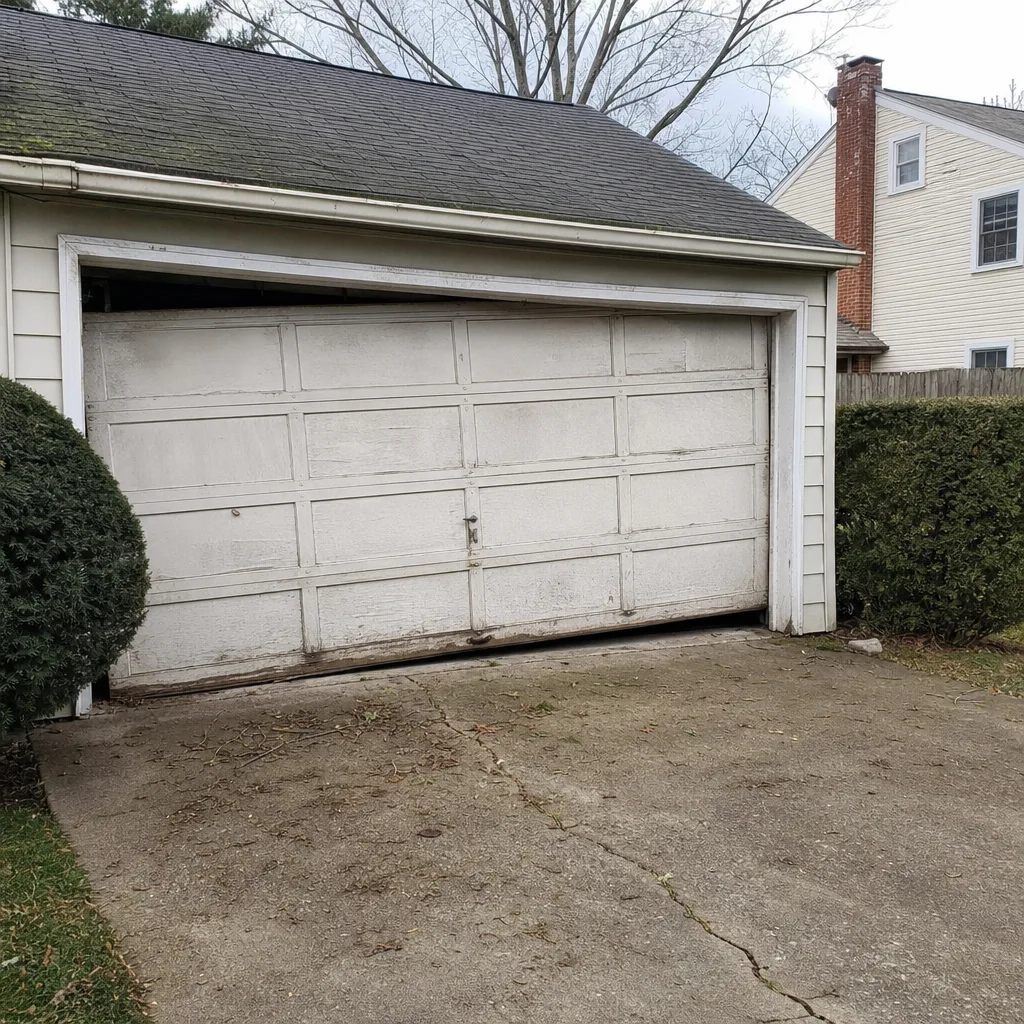 Before
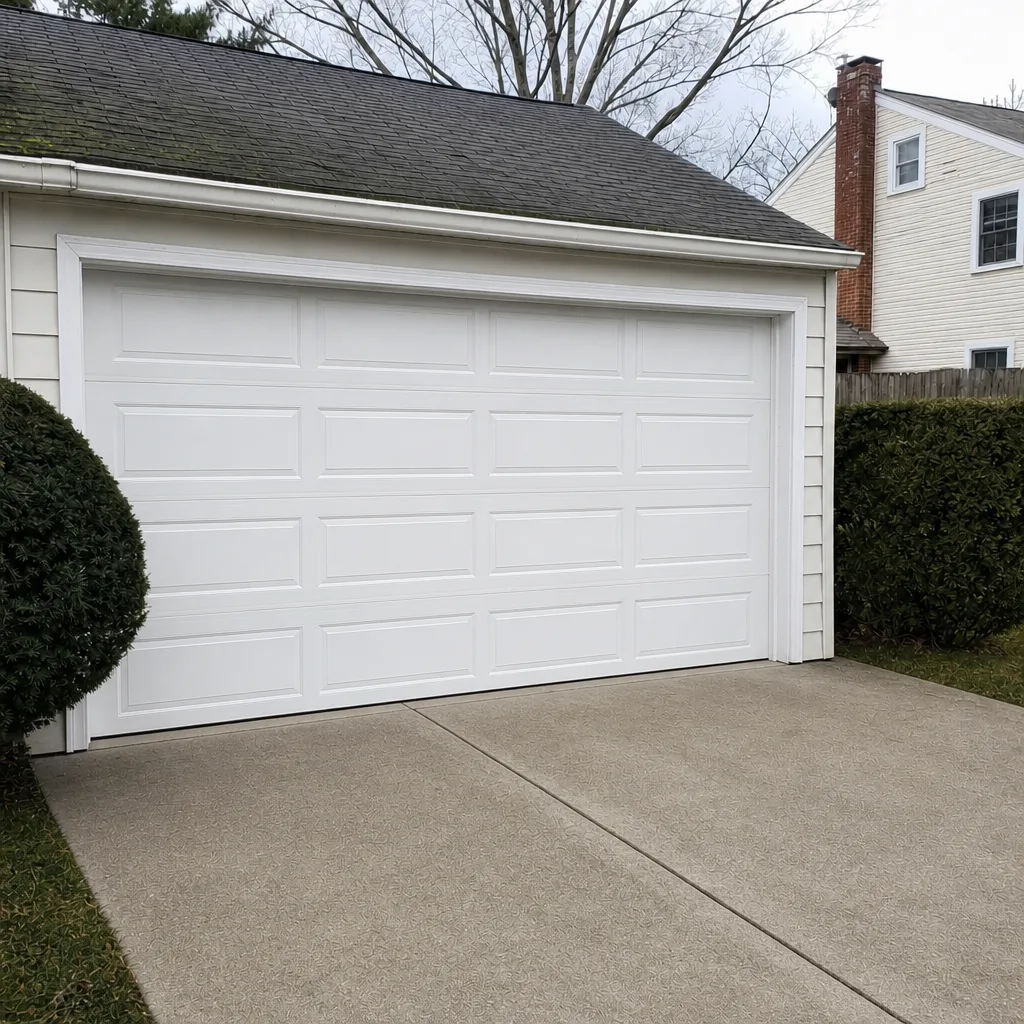 After
When to Call a Professional
Call a professional when the problem involves springs, cables, or the door’s structural alignment, because those carry real injury risk and need the right tools. Call if the door is sagging, the opener is failing repeatedly, or the tracks have come out of alignment. And call when you’re weighing a repair against a replacement, since an experienced eye can tell you which path is right for your door. Stratford Garage Door Service offers free estimates in Washington. Call (844) 372-0752. We answer 24/7. Fast dispatch from 7am to 7pm, Sunday through Friday.
Frequently Asked Questions
Often the opposite: alley-load garages in Washington tend to have narrower openings, and the real constraint is headroom above the door. Measure the rough opening and the clearance above it, then match the door spec to both before ordering.
Steel with a sound finish handles the humid summers and icy winters well with basic maintenance. Aluminum resists humidity but dents more easily, and wood needs regular sealing to survive the seasonal swing. An insulated option helps if the garage shares a wall with the house.
It depends on your historic overlay. Districts like Capitol Hill and Georgetown can restrict style and color, and a replacement may need review. Confirm the rules with the city before you order, and remember that repairing an existing door can sidestep the review entirely.
Belt drive is the quietest of the common options and the best fit for a garage that shares a wall with a neighbor. Chain drive is louder but durable, and direct or screw drive sits somewhere between. For smart-home control, the LiftMaster and Chamberlain lines are built for it.
Possibly. Permit rules in the District differ from suburban Maryland and Virginia, and structural work or a historic overlay often requires a permit or a separate review. Ask the city’s building department whether your specific job needs one before work starts.
No. We quote and agree on the price before any work starts, so the invoice matches the number you approved. Call (844) 372-0752 for an exact quote. Estimates are free.
We keep our trucks stocked for garage door work, so many repairs can be handled the same day. For new doors, the work is measured and ordered, and we give you a written price instead of promising same-day installation.
The Bottom Line
Garage doors in Washington reward the homeowner who plans around local conditions. Start with the alley approach, because it sets your door size, headroom, and opener placement. Match the material and insulation to the humid summer and icy winter swing. Check your historic overlay before you order anything in Capitol Hill or Georgetown. Think about opener noise if you share a wall, and confirm permit and review rules with the city. Then let a specialist match a brand to the door you already have. That repair-first, brand-agnostic approach is how we handle every job across Washington. Call (844) 372-0752 for a free estimate. We answer 24/7. Fast dispatch from 7am to 7pm, Sunday through Friday.
Written by the team at Stratford Garage Door Service, serving Washington since 2015.