
Last updated November 14, 2026
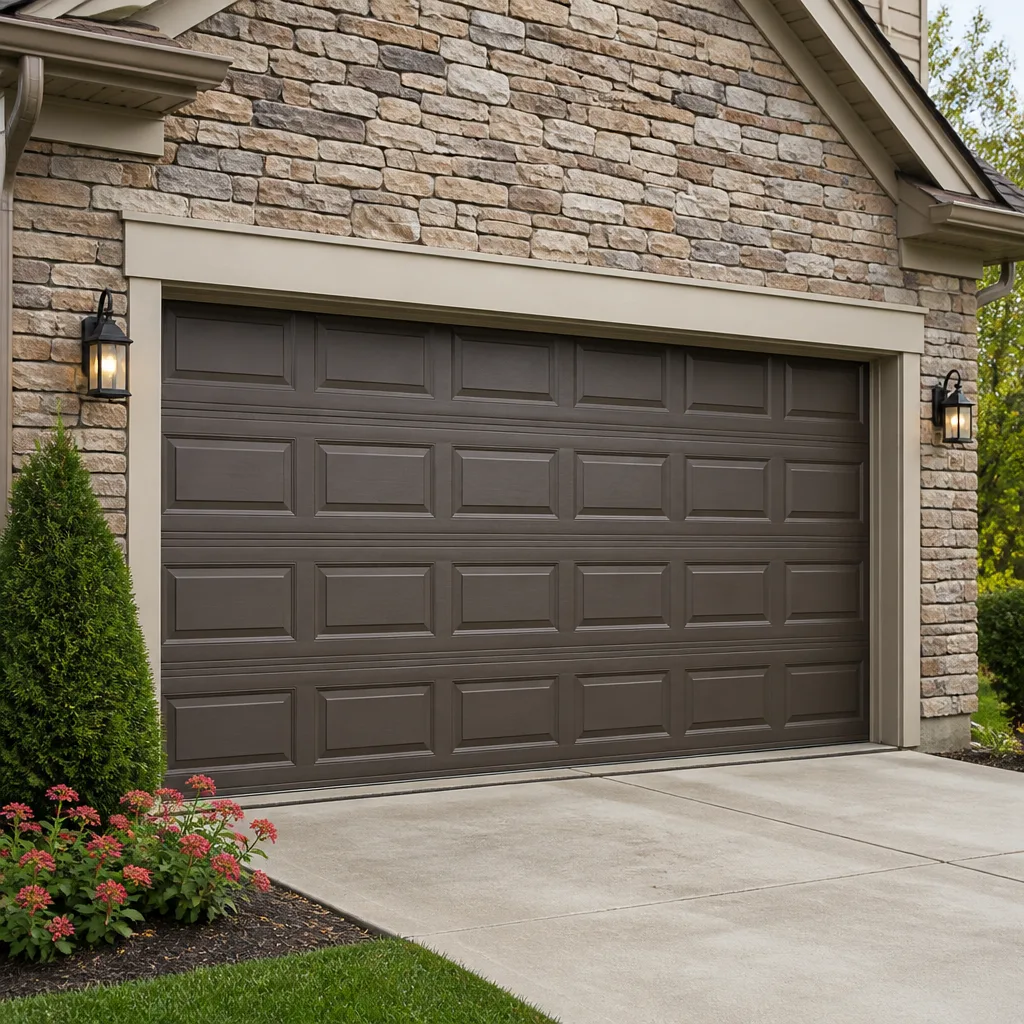 Raised-panel steel
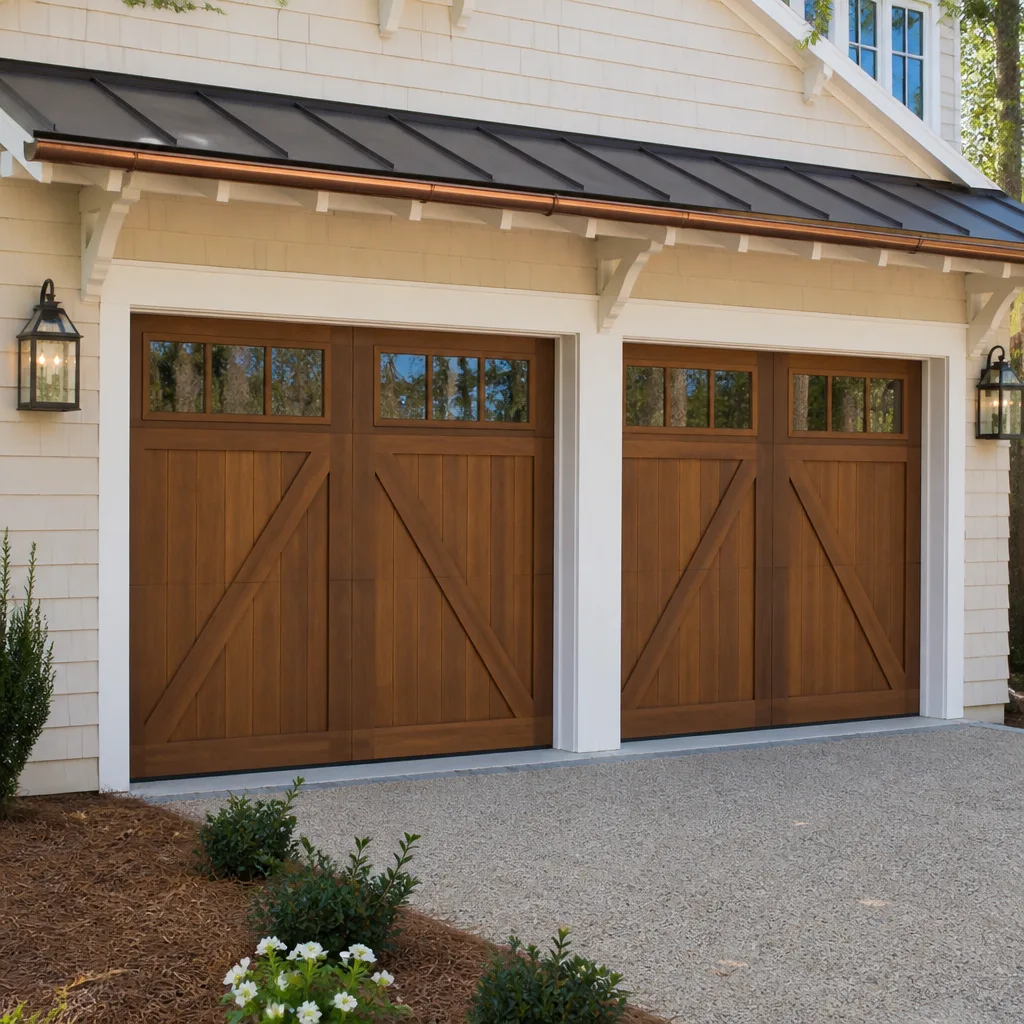 Carriage house
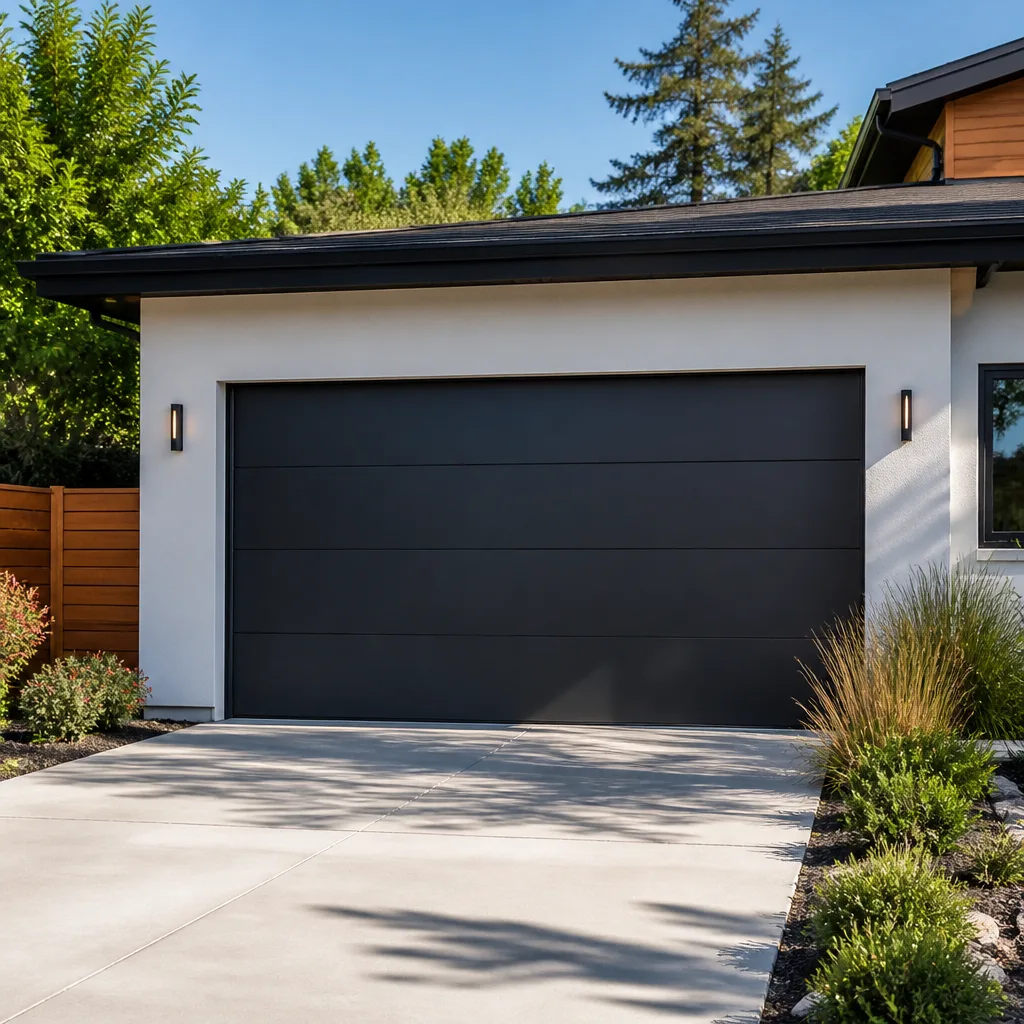 Modern flush
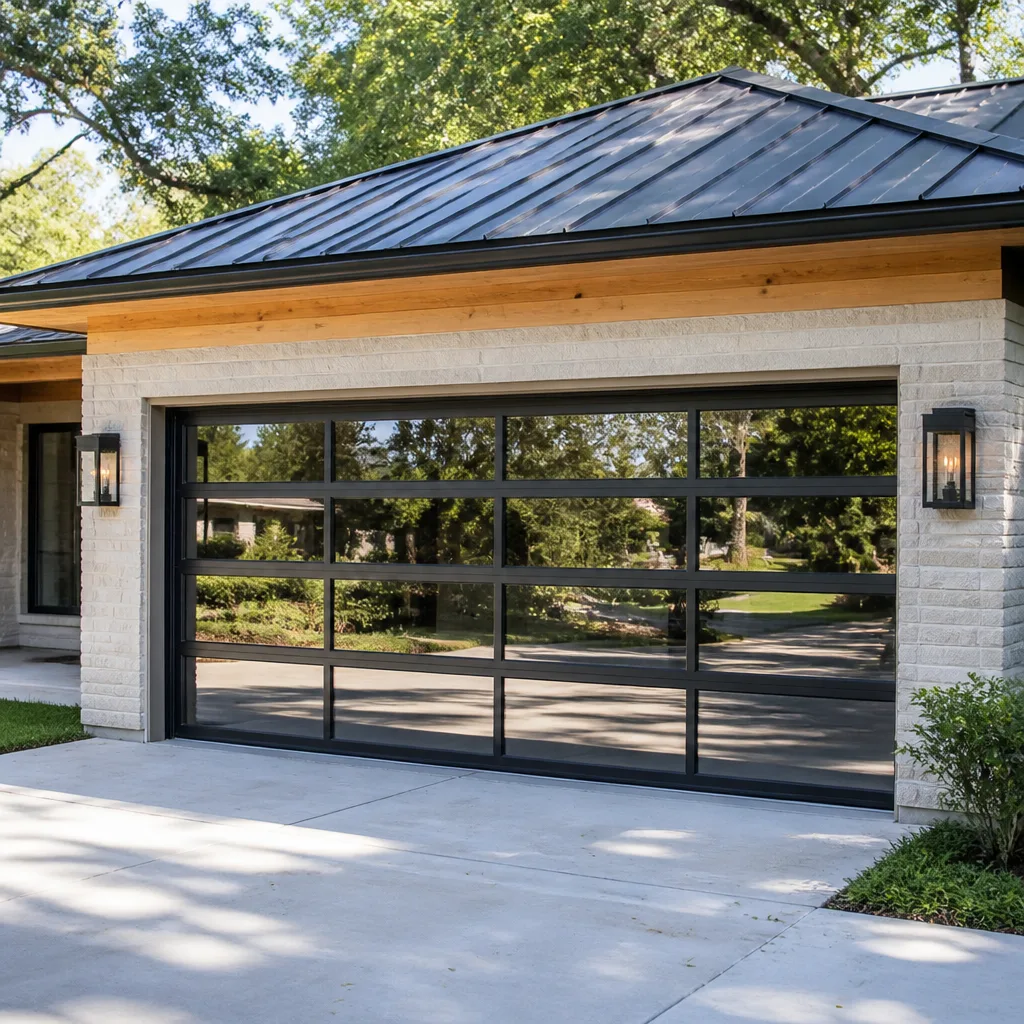 Full-view glass
 LiftMaster openers
 Chamberlain openers
Full 25-point door and opener safety check with every visit - springs, cables, rollers, tracks, and your LiftMaster or Chamberlain opener included
You get a price before we start. It does not change when the truck arrives.
Get your free estimateGarage Door Repair Troubleshooting in Washington: Common Problems and How to Fix Them
When a garage door reverses before it reaches the ground, most homeowners blame the safety sensors. In our experience working on garages across Washington, the sensors are often innocent. In the older rowhouse neighborhoods where wood-frame garages sit tight against the property line, the real cause is frequently a track that has shifted out of plumb from a season of humidity swings, or an opener forcing a door that has started to bind. The door is telling you something specific. This guide teaches you to read the symptom as a sequence of clues rather than jumping to the first component that comes to mind, and it covers where the dangerous lines are between a job you can safely check and one that calls for a trained technician. You’ll learn how to narrow a fault down to the spring, the cable, or the opener, which problems can wait a few days, and which ones can’t. Everything here is grounded in the realities of Washington garages.
Quick Answer
Most garage door problems in Washington trace back to one of four systems: the springs, the cables, the tracks and rollers, or the opener and its force and travel settings. You can usually identify which one is failing by watching how the door behaves during a full open-and-close cycle and listening for where the noise comes from. Spring and cable failures, and anything that leaves the door hanging heavy or off its tracks, need a professional before the door is used again. Sensor, remote, and force-setting issues are the ones a homeowner can safely check first.
Styles & brands we work with
- Raised-panel steel
- Carriage house
- Modern flush
- Full-view glass
- LiftMaster openers
- Chamberlain openers
Table of Contents
- Read the Door Before You Fix the Door
- The Manual Disconnect Test: Spring, Cable, or Opener?
- Why Washington Humidity Misaligns Tracks
- The Symptom-to-System Diagnostic Matrix
- Force Settings: When a Working Opener Is Doing Damage
- Brand Quirks: Reading LiftMaster, Chamberlain, and Craftsman Behavior
- Same-Day Repair or Scheduled Visit? Sorting the Two
- Safe Checks You Can Do Yourself
Read the Door Before You Fix the Door
A garage door is a system, and like any system it fails in a pattern. Before you touch a sensor, a remote, or a wall button, do one slow full cycle and pay attention to the whole arc of movement. That single observation eliminates most wrong turns.
Start with your ears, because sound localizes a fault faster than anything else. A sharp metallic snap followed by the door dropping heavy points to a spring. A grinding or scraping that follows the door up one side points to rollers or a track. A hum with no movement points to the opener or its drive. A rattle that only appears mid-travel points to loose hardware or worn rollers. In Washington, where garages are crammed into alleys and narrow lots, the sounds bounce off brick and concrete in a way that can make the fault seem louder than it is, so stand inside and listen from a couple of angles before you decide.
Next, watch the gap. Photo-eye sensors on most modern openers sit a few inches off the floor and a misaligned sensor usually shows its hand in one of two ways: the door reverses immediately after starting down, or the opener’s light blinks while the door stays put. If the door travels most of the way down and then reverses at the same spot every time, the sensors are rarely the problem. That’s usually a track that has bowed inward, a roller that has jumped the rail, or a travel limit set too far.
The last thing to read is the door’s balance. Disconnect the operator (more on that below) and lift the door halfway by hand. A properly balanced door holds there on its own. If it sags, climbs heavy, or drops fast, the springs are the story. If it lifts easily but wobbles or grinds against one track, the tracks are the story. Keep this sequence in mind: what you hear, what you see in the gap, and how the door balances. That order will keep you off the wrong component nearly every time. When a door misbehaves in several ways at once, the balanced-door check is the tiebreaker, and that’s where garage door repair as a specialist job matters, because a door that seems to have three problems often has one root cause.
The Manual Disconnect Test: Spring, Cable, or Opener?
This is the step most troubleshooting guides skip, and it’s the one that tells you whether your problem lives in the door or in the machine bolted to the ceiling. Every residential opener has a manual release, usually a red pull cord hanging from the trolley. Pulling it separates the door from the opener so you can move the door by hand. What the door feels like when you lift it tells you where the fault is.
- Disconnect the opener. Close the door, then pull the release cord down and back at a slight angle until it clicks. The door should now move freely by hand.
- Lift the door slowly about halfway and let go. A balanced door stays roughly where you leave it. If it drops or slams down, the springs have lost tension or failed.
- Lift it the rest of the way by hand. If it rises easily and smoothly, the springs are doing their job. If it feels like dead weight, the springs are the fault, not the opener.
- Watch the edges as you move it. If one corner binds or the door cocks sideways in the opening, a cable has slipped off a drum or gone slack. Stop there and don’t force it.
- Reconnect the opener and test it alone. If the door lifts fine by hand but the opener strains or reverses, the problem is in the opener: force settings, travel limits, or a worn drive gear.
The distinction matters because the fix for each is completely different, and the safety risk is not the same. A spring under tension or a cable that has come loose can cause serious injury if you try to work on it yourself, so once the disconnect test points to springs or cables, stop and treat it as a professional job. An opener fault, by contrast, is usually a settings or part issue and carries far less physical danger. Running this test first tells you which kind of problem you actually have before you spend an afternoon on the wrong one. For doors that also misbehave when you press the button but not by hand, the answer is almost always in the opener, and that’s a separate track from the door itself.
Why Washington Humidity Misaligns Tracks
Washington’s summers are humid, and its springs and falls swing hard between damp and dry. That cycle moves wood, and a lot of the city’s older garages, especially in neighborhoods like Capitol Hill, Petworth, and Bloomingdale, were framed in wood and have been settling for generations. The result is that tracks which were perfectly straight when installed can drift out of plumb within a season, and the door that ran quietly in spring suddenly grinds or reverses in July.
What actually happens is simple mechanics. The wood framing swells in the humid months, pushing the top of a track slightly outboard. The door’s rollers, which ride in that track, now have to fight a curve that wasn’t there before. Sometimes the shift is a fraction of an inch and all you notice is a new rattle. Sometimes the track bows enough that a roller binds, the opener strains, and the door reverses before it closes. Because the shift is seasonal, homeowners often assume the opener has gone bad, replace it, and then watch the same problem return the next summer. It never was the opener.
The practical takeaway is that in Washington you should check track alignment seasonally, not just when something breaks. Run a level or a straightedge along each vertical track and look for bowing or a gap between the track and the door. If you can see daylight shifting unevenly down the gap between the door and the frame, the track has moved. Loosening and re-plumbing a track is a job for someone who knows the door’s weight and how the springs are loaded, because a track that comes loose under tension can drop the door suddenly. It’s one of the reasons we keep this work as a specialist call: the same seasonal issue shows up in Washington garages every year, and it has to be read correctly before anyone reaches for a wrench. If you’re seeing a recurring track problem, it’s worth talking through with a dedicated Stratford Garage Door Service technician rather than a general handyman who handles a dozen other trades.
The Symptom-to-System Diagnostic Matrix
Most behaviors point to a small number of likely culprits. Use the table below to match what you’re seeing to the system most likely at fault, then confirm with the disconnect test before you act on it.
- Door reverses right after starting down, same spot each time: sensor misalignment, then a bowed track, then a travel limit set too far. Check the sensors first, the gap second.
- Door reverses near the floor on the way down: usually a force-setting issue or a door that’s binding, not the sensors. The opener thinks it hit something because it’s working too hard.
- Sharp metallic snap, then door is dead weight: torsion spring failure. Stop using the door. This is a professional job.
- Door rises crooked, one side lags: a cable has slipped its drum or gone slack, or a roller has jumped. Stop and call.
- Grinding or scraping that follows the door up: worn or seized rollers, or a track the rollers are scraping against.
- Opener hums but door doesn’t move: opener drive fault (gear, chain, or belt), or the manual release is still pulled. Check the release first.
- Door stutters or hesitates mid-travel: worn rollers, a dry or misaligned track, or force settings at their limit.
- Door opens fine from the wall button but not the remote: remote, battery, or opener receiver. Not a door problem at all.
The reason this matters is that two symptoms that look alike led to the same wrong guess in almost every call we take. A door that reverses near the floor gets a sensor replacement it didn’t need, when the real cause was force settings compensating for a binding track. A door that stutters mid-travel gets blamed on the opener when it’s a worn roller dragging in the rail. Match the symptom, then verify with the disconnect test, and only then decide whether you’re fixing the door or the machine.
Force Settings: When a Working Opener Is Doing Damage
An opener that opens and closes the door can still be damaging it. The force settings tell the opener how hard it’s allowed to push before it gives up and reverses. When those settings climb too high, either because someone adjusted them or because the opener has compensated over time for a door that’s gotten heavier, the opener starts overpowering resistance that it should have reported. Every cycle it works harder than it should, which wears the springs, the cables, and the opener’s own drive faster than normal.
You can usually tell a force problem is in play by listening for the opener straining during the middle of travel, or by a door that has gradually started reversing near the floor even though nothing else has changed. In Washington, the seasonal track shift we described above is the most common trigger: the door starts to bind, the opener pushes harder to get through it, and eventually either the force setting maxes out or the reversal kicks in. Left alone, the door keeps cycling under extra load until a spring or cable fails.
Force settings are adjustable on most openers, but they’re also the wrong first move. The right order is to find out why the door has gotten harder to move, fix that, and reset the force to a safe baseline. Adjusting force to force a binding door shut just hides the problem and shortens the life of the parts. On brand-specific openers like LiftMaster and Chamberlain, the force adjustment is part of a menu-based setup, and it’s easy to overshoot. We treat it as a calibration step, not a fix. If your opener is working but the door seems heavy, that’s the signal to look at the door, not to crank up the opener. The same logic applies to any opener repair decision: a specialist who knows how your door and opener interact will catch the force problem before it costs you a spring. If the openers in your home are getting older, this is also the moment to think about garage door opener repair rather than a full replacement, because the fix is often in the settings and drive, not the whole unit.
Brand Quirks: Reading LiftMaster, Chamberlain, and Craftsman Behavior
Different openers fail in different ways, and knowing the brand shortens the diagnosis. We’ve worked with LiftMaster, Chamberlain, Genie, Clopay, Amarr, Wayne Dalton, Craftsman, and Raynor long enough to recognize their habits, and knowing the equipment already in your garage is a real time-saver. A Craftsman or a Genie from an older install often fails at the drive gear, and the symptom is that hum-with-no-movement. A newer LiftMaster or Chamberlain with a smart-home receiver usually signals its problems through the lights on the head and the wall control, and a flashing code points you to the sensor or the travel limit before you’ve touched a tool.
The brand matters for parts, too. When a door is a Clopay or an Amarr and it needs a new section or a hinge, the parts have to match, and a generalist who works across a dozen trades won’t have that knowledge on the truck. The same goes for Raynor doors that need track hardware specific to their build. Knowing the brand up front means we arrive with the right parts mindset and don’t have to guess. It also means the recommendation we make is based on the door you already have, not a push toward a particular brand or a replacement you didn’t ask for. We approach every repair first asking what’s actually broken and whether it can be fixed, then what it takes to fix it well. If you’re unsure of your brand, the opener’s model plate and the door’s hardware usually tell the story, and that’s often the first thing we look at.
For openers specifically, the split runs between the smart-home-compatible lines and the legacy units. LiftMaster and Chamberlain with myQ give you connectivity and a cleaner diagnostic trail. Craftsman and Genie cover a huge share of the older and budget units still running in Washington garages, and they have their own well-known failure points. Being fluent in both worlds means we don’t hand off your door to a subcontractor when the brand is unfamiliar. It’s still the same technician, same truck, same day.
Same-Day Repair or Scheduled Visit? Sorting the Two
Not every problem is urgent, and treating them all the same wastes your time. A door that’s hanging heavy by a broken spring is a stop-what-you’re-doing problem. A door whose remote has stopped responding is annoying but safe. Sort your problem into one of these two buckets and you’ll know how to plan your day.
Call for same-day attention when:
- The door is hanging heavy by hand or won’t stay up. A failed spring or a slipped cable means the door is unsafe to operate.
- The door has come off its tracks or is standing crooked in the opening. Forcing it will make it worse.
- The door is stuck open or stuck closed and you need it secured. A door that won’t close is a security concern for the home.
- You hear a snap or a bang and the door stops working. That’s a spring failure and it needs a trained technician.
- Anyone in the household is stuck inside or out because of a failed door.
Safe to schedule for a planned visit when:
- A remote or wall control has stopped working but the door still moves safely.
- The opener is making a new noise but the door travels normally.
- The door is a little noisier or slower than usual but balances by hand and stays up.
- You want the tracks checked for seasonal alignment before trouble starts.
- You’re planning a new door or opener and want a measurement and a written price.
The logic behind the split is simple: anything that makes the door physically unsafe to lift or that leaves it hanging under load is a same-day call. Anything that’s a settings, control, or noise issue with a door that still balances by hand can wait for a scheduled appointment, and you’ll get a better outcome if it’s not rushed. When in doubt, run the disconnect test. If the door holds halfway by hand, it’s the second category.
Safe Checks You Can Do Yourself
A handful of checks are genuinely safe for a homeowner and will save you a call. Everything below the level of the springs and cables is fair game for careful inspection. The springs and the cables are not, and we’re specific about why.
- Test the photo-eye sensors. With the door open, wave an object through the beam and watch for the opener’s light to blink or the door to reverse. If it doesn’t respond, clean the lenses and check that nothing has knocked them out of line.
- Check the manual release. Make sure the release cord is not accidentally pulled. A door that won’t move with the opener but moves easily by hand usually has a released trolley.
- Look at the rollers and tracks. With the door closed, run your eye down the gap between the door and the track on each side. Look for a bowed track, a roller out of the rail, or a roller that doesn’t turn.
- Check the balance by hand. Disconnect the opener and lift the door halfway. If it stays put, the springs are balancing the door. If it drops, stop using the door and call.
- Reset the opener. Many openers clear a force or travel fault with a power cycle. Unplug or switch off the opener at the wall, wait a minute, and restore power. If the fault returns immediately, that’s your answer.
Two checks are off-limits. Don’t try to adjust, unwind, or replace a torsion spring yourself, and don’t try to re-string or tighten a cable. Both store enormous tension, and a mistake can release that energy in a way that causes serious injury. If a spring is broken, the door is dead weight, and a cable has come loose, that’s the point to call. A trained technician has the tools and the knowledge to work on those parts safely, and it’s not a job a generalist should take on either. We treat springs and cables as the one part of the door that isn’t a homeowner fix, full stop.
Common Mistakes to Avoid
- Replacing the sensors first. A door that reverses before it hits the floor is blamed on the photo eyes in most of the calls we take, but in a lot of Washington garages the real cause is a track that shifted out of plumb from humidity. Test the door by hand before you replace a sensor.
- Cranking up the force setting to force a binding door shut. It hides the symptom and wears out the springs, cables, and opener drive faster. Find the bind and fix that instead.
- Assuming the opener is bad when the door is heavy. If the door won’t balance by hand, the springs are the problem, not the machine. Put the wrench down and call.
- Leaving a broken spring door in use. Running an opener on a door with a failed spring overloads the opener and can bend the tracks. Stop using the door the moment you hear the snap.
- Blaming a brand before checking the model. Craftsman, Genie, LiftMaster, Chamberlain, Raynor, and the rest have different failure patterns. Know what you have before you order a part.
- Buying a new door when a track or spring is the whole problem. A door that has shifted or lost a spring can often be fixed in place. Get a diagnosis before you consider replacement.
- Ignoring seasonal track drift. In Washington’s humidity swing, a track that was straight in spring can bow by summer. Check alignment seasonally rather than waiting for a failure.
See the difference
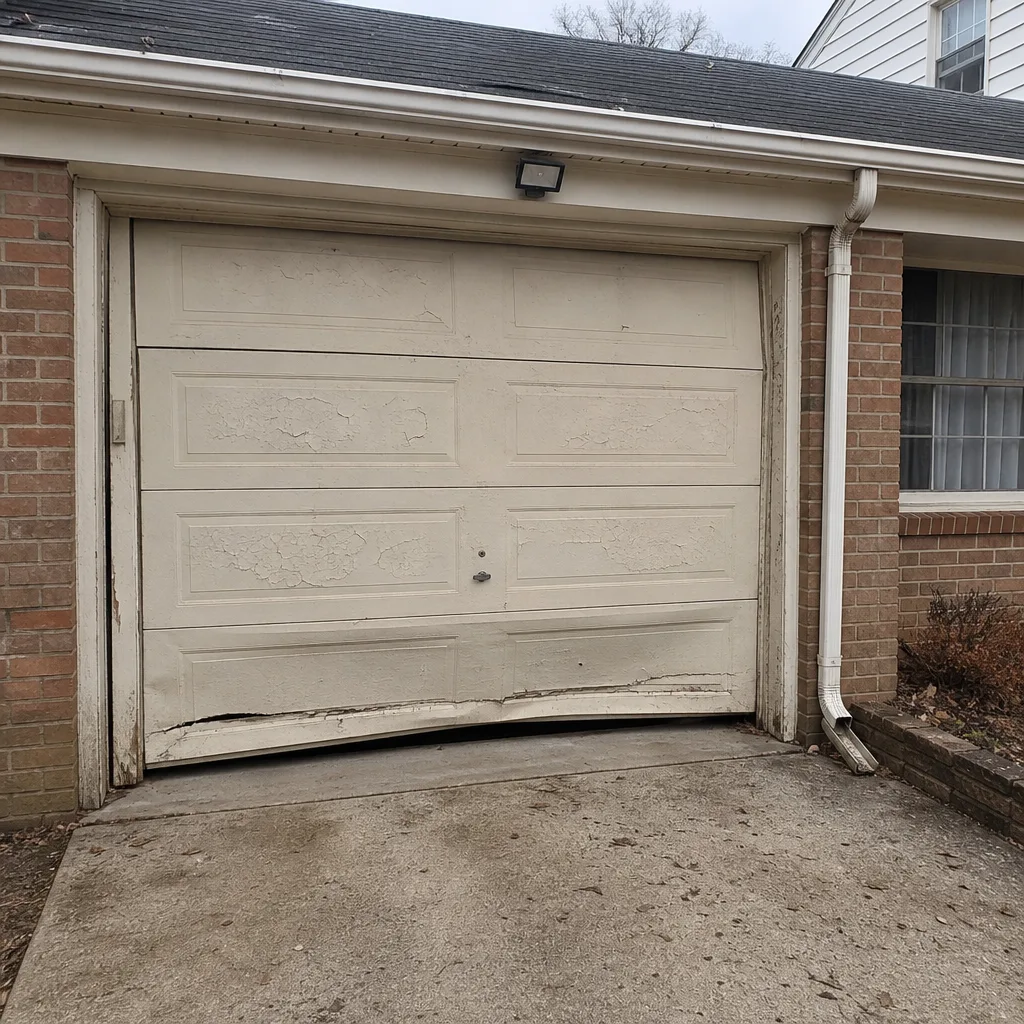 Before
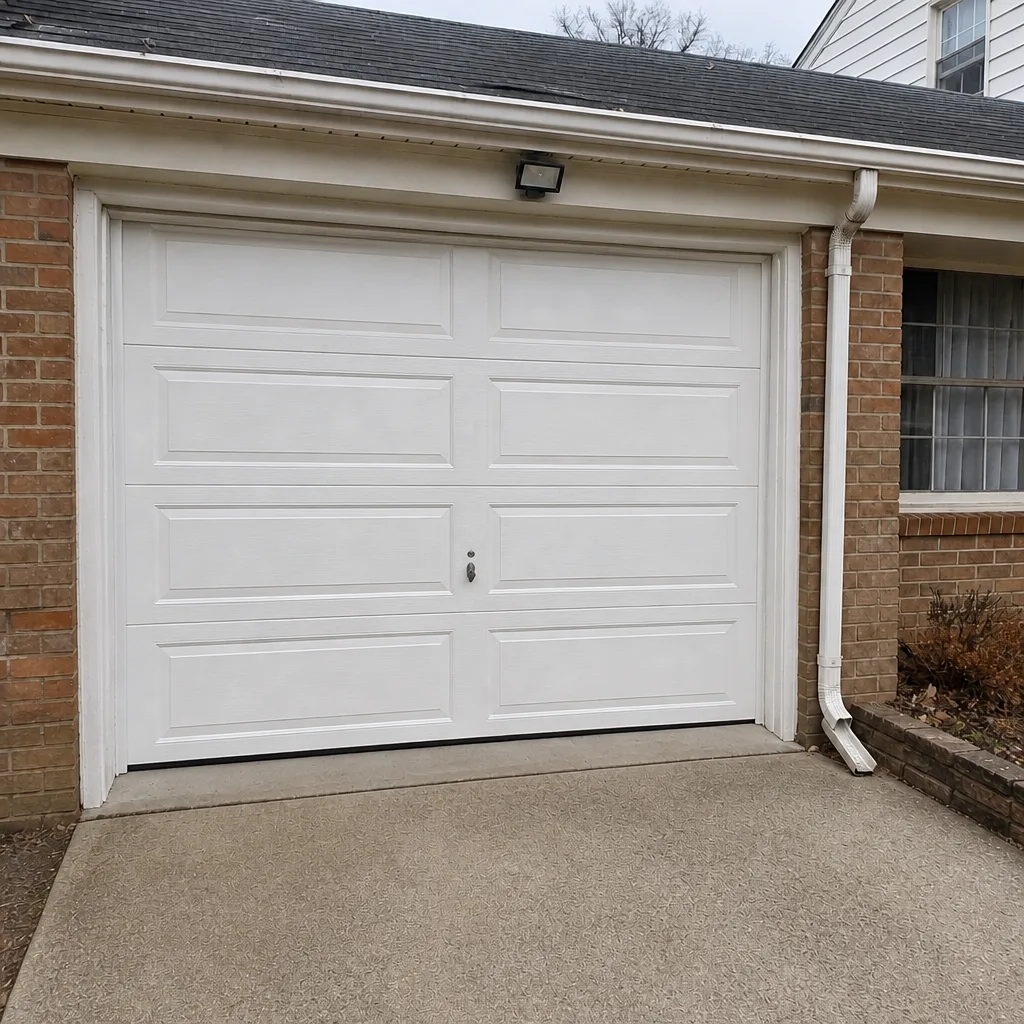 After
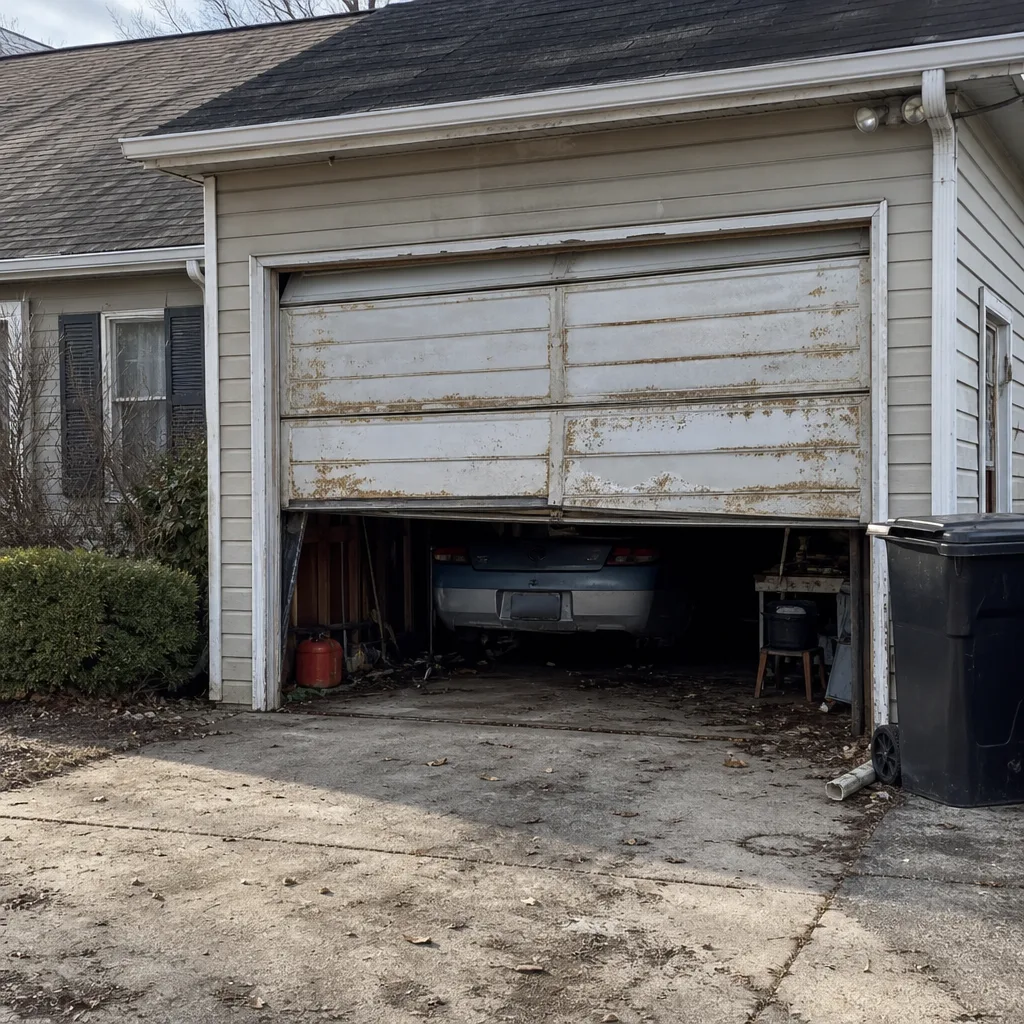 Before
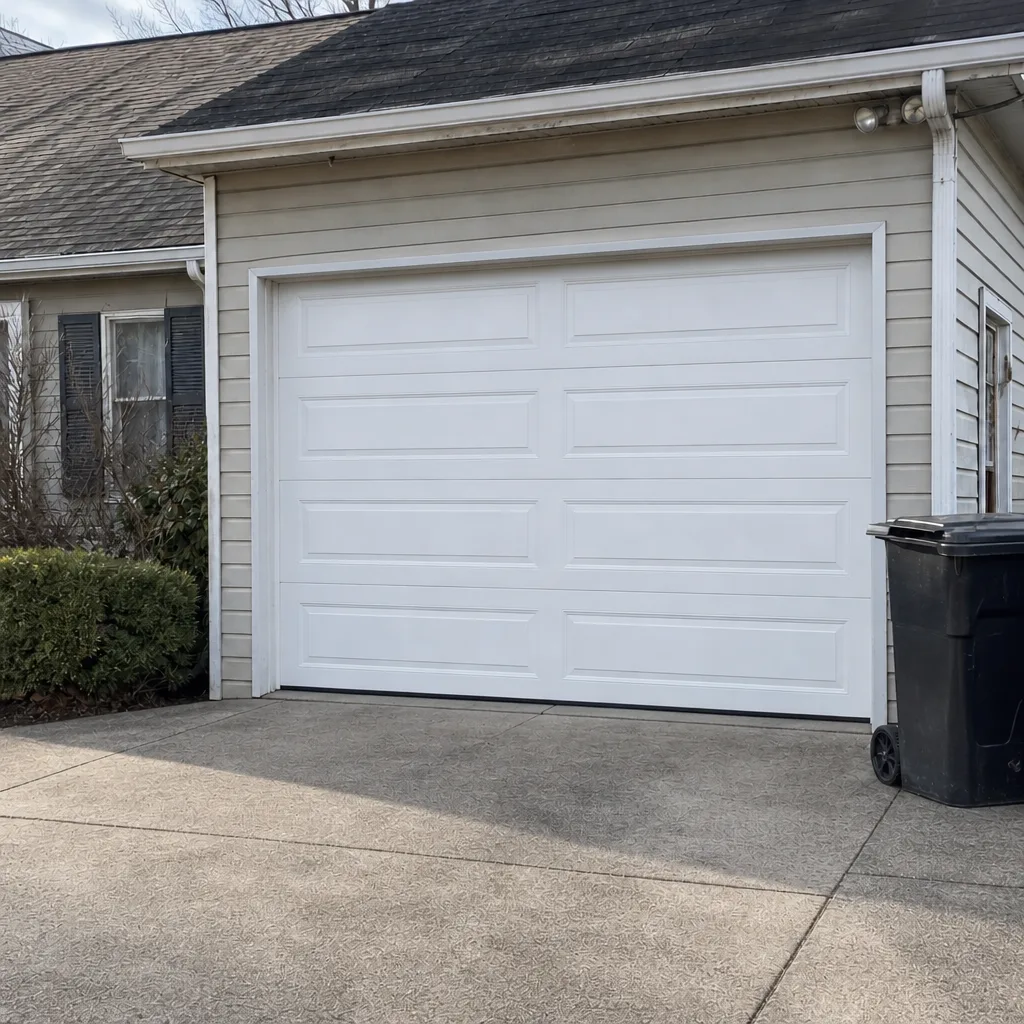 After
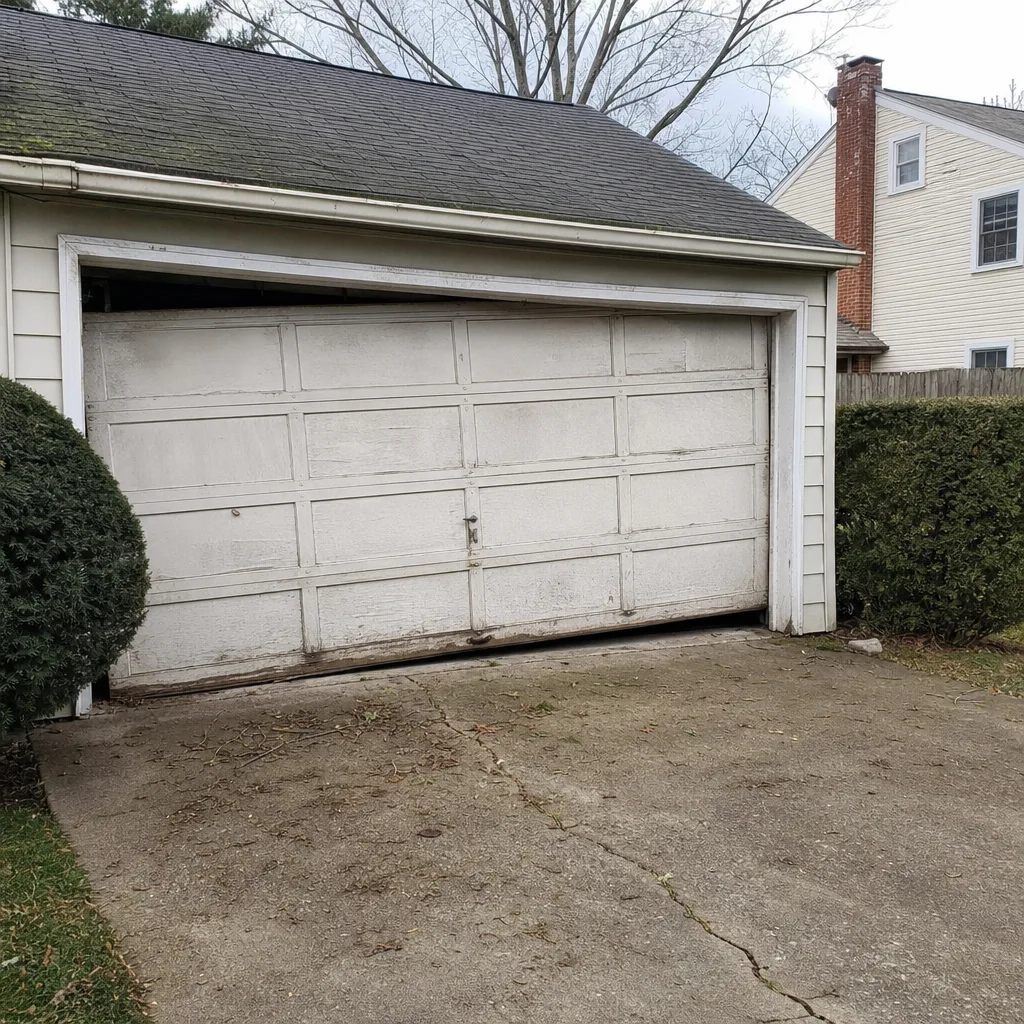 Before
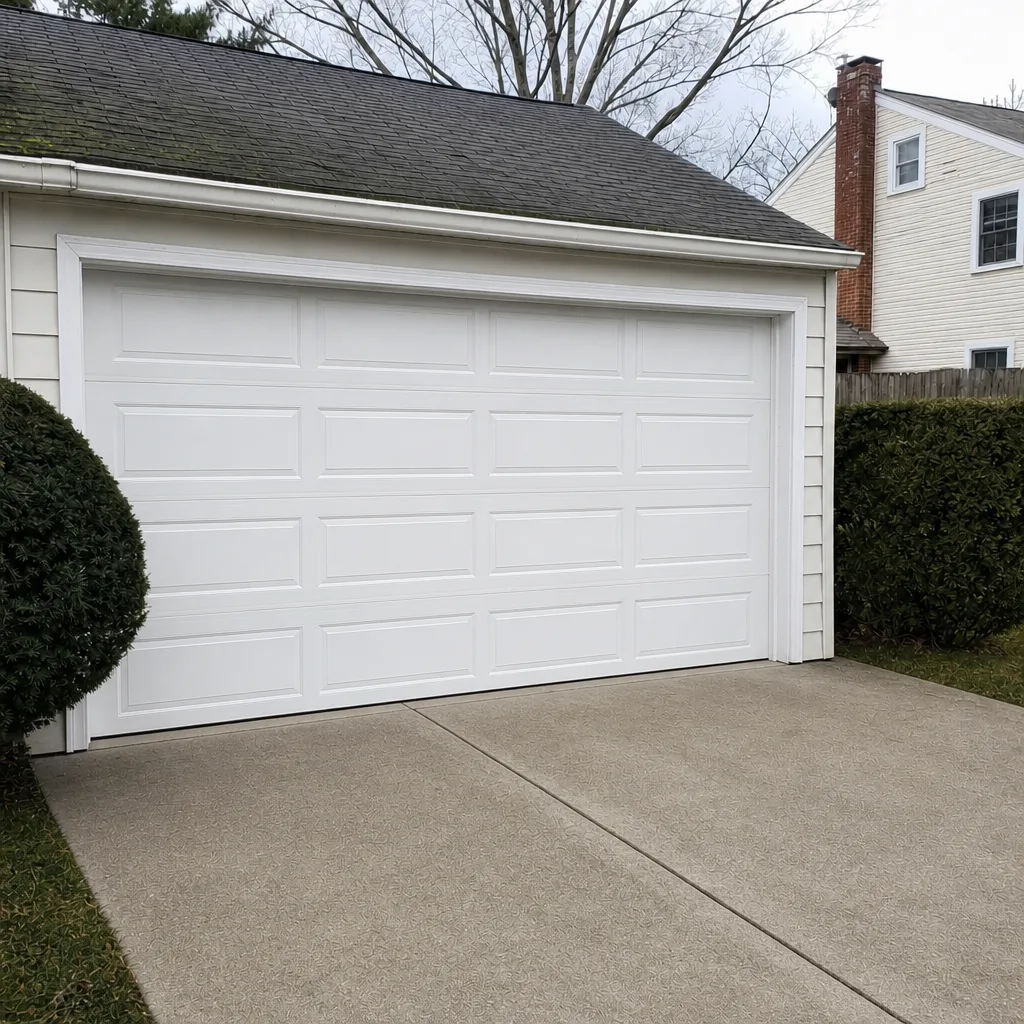 After
When to Call a Professional
Call a professional the minute the door stops balancing by hand, comes off the tracks, or hangs crooked in the opening. Call the same day if a spring has snapped, a cable has come loose, or the door is stuck open or closed and you need it secured. Call a specialist if the opener is straining, the door reverses near the floor, or you can’t tell which system is failing and want a diagnosis before you spend money. For everything that involves springs, cables, or a door under load, a trained technician is the safe answer, not a general handyman. In Washington, Stratford Garage Door Service offers free estimates. Call (844) 372-0752. We answer 24/7. Fast dispatch from 7am to 7pm, Sunday through Friday.
Frequently Asked Questions
A door that reverses before it reaches the floor is most often fighting something: a bowed track, a binding roller, or force settings compensating for a door that’s gotten heavier. The safety sensors are the first thing to rule out, but if the door reverses at the same spot every time, the fault is usually in the door’s travel, not the sensors. In Washington’s older wood-frame garages, seasonal humidity swings shift tracks out of plumb and cause exactly this. Run the disconnect test to see if the door balances; if it doesn’t, the springs are the problem. Call (844) 372-0752 for an exact quote. Estimates are free.
A broken spring usually announces itself with a sharp snap or bang, and afterward the door is dead weight and won’t stay up by hand. A slipped or broken cable is quieter, and the door tends to rise crooked or bind on one side. The disconnect test is the reliable way to tell: if the door sags when lifted halfway, treat it as a spring; if it rises easily but cocks sideways, it’s a cable. Stop using the door in either case. Call (844) 372-0752 for an exact quote. Estimates are free.
Yes. An opener that pushes too hard because its force settings are high, or because it’s been compensating for a binding track, will wear the springs and cables faster even though it’s opening the door. If your opener sounds like it’s straining during travel or the door reverses near the floor, get the door checked. Call (844) 372-0752 for an exact quote. Estimates are free.
Washington’s humidity swings move the wood framing that holds the tracks, and older garages built in wood can shift seasonally. A track that was straight in spring can bow by midsummer, which is why doors that ran quietly start to grind or reverse when the weather changes. Checking track alignment as the season turns is the practical fix. Call (844) 372-0752 for an exact quote. Estimates are free.
It depends on what the noise is. A new rattle or squeak with a door that still balances by hand is safe to use until a scheduled visit. A snap, a bang, or a grinding that follows the door up one side is not, and you should stop and get it looked at. When in doubt, do the disconnect test. Call (844) 372-0752 for an exact quote. Estimates are free.
Yes. We service, repair, and replace almost any residential garage door or opener brand, whether you bought it from us or not. Our brand-agnostic approach stays with LiftMaster, Chamberlain, Genie, Clopay, Amarr, Wayne Dalton, Craftsman, and Raynor, and we work on whatever door you already have. Visit our Washington service page or call (844) 372-0752 for an exact quote. Estimates are free.
The Bottom Line
Most garage door failures look like a mystery because homeowners treat one symptom instead of reading the door as a system. The disconnect test is the tool that cuts through it: run the door by hand and it tells you whether the problem is the door, the springs and cables, or the opener. In Washington, seasonal humidity makes track alignment a recurring issue, so checking it as the seasons turn pays off more than waiting for a failure. Anything involving springs or cables is a stop-and-call job. Anything that’s a setting or control issue with a door that balances by hand can wait for a scheduled visit. Read the symptom, confirm with the balance test, and you’ll know which one you have.
If your door has you guessing, we’re happy to diagnose it. Stratford Garage Door Service is a garage door specialist, not a general handyman, and the right answer for your door is our first job. Call (844) 372-0752 for a free estimate. We answer 24/7. Fast dispatch from 7am to 7pm, Sunday through Friday.
Written by the team at Stratford Garage Door Service, serving Washington since 2015.