
Last updated November 14, 2026
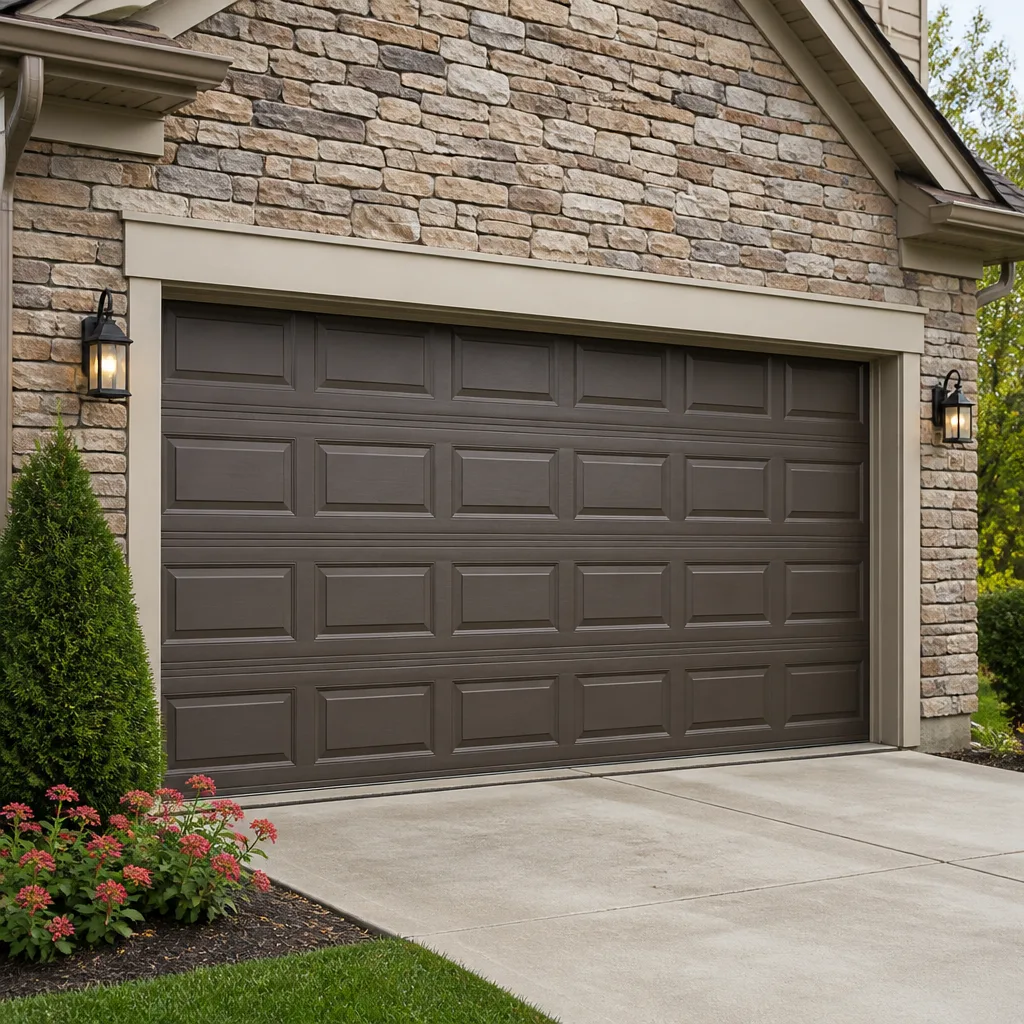 Raised-panel steel
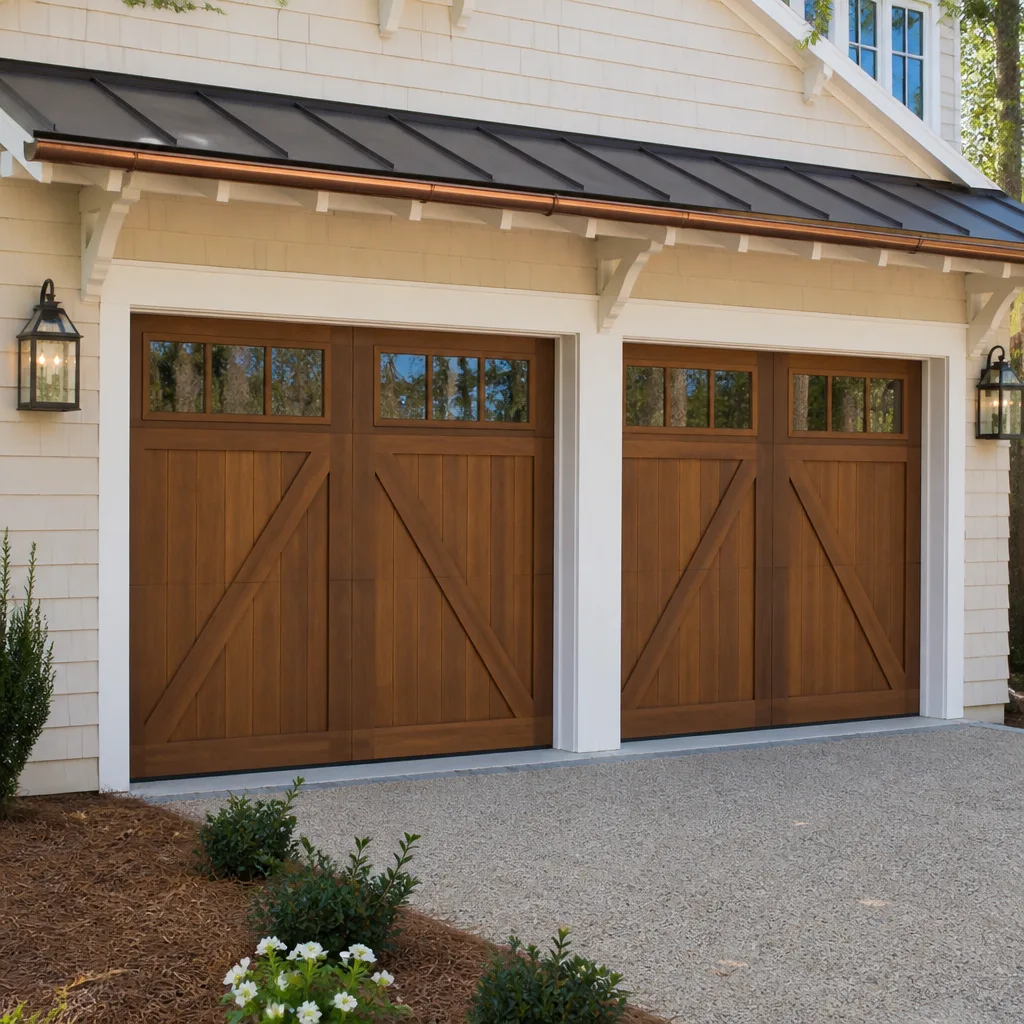 Carriage house
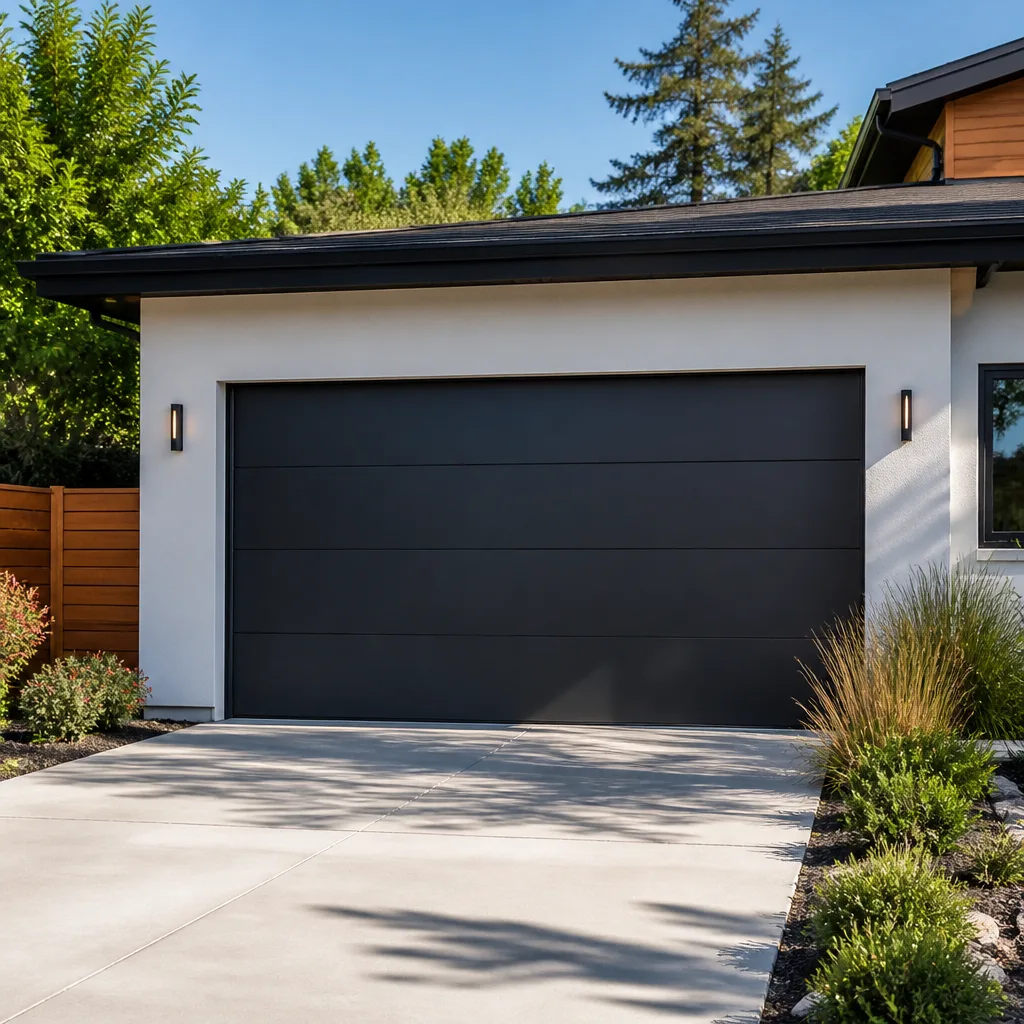 Modern flush
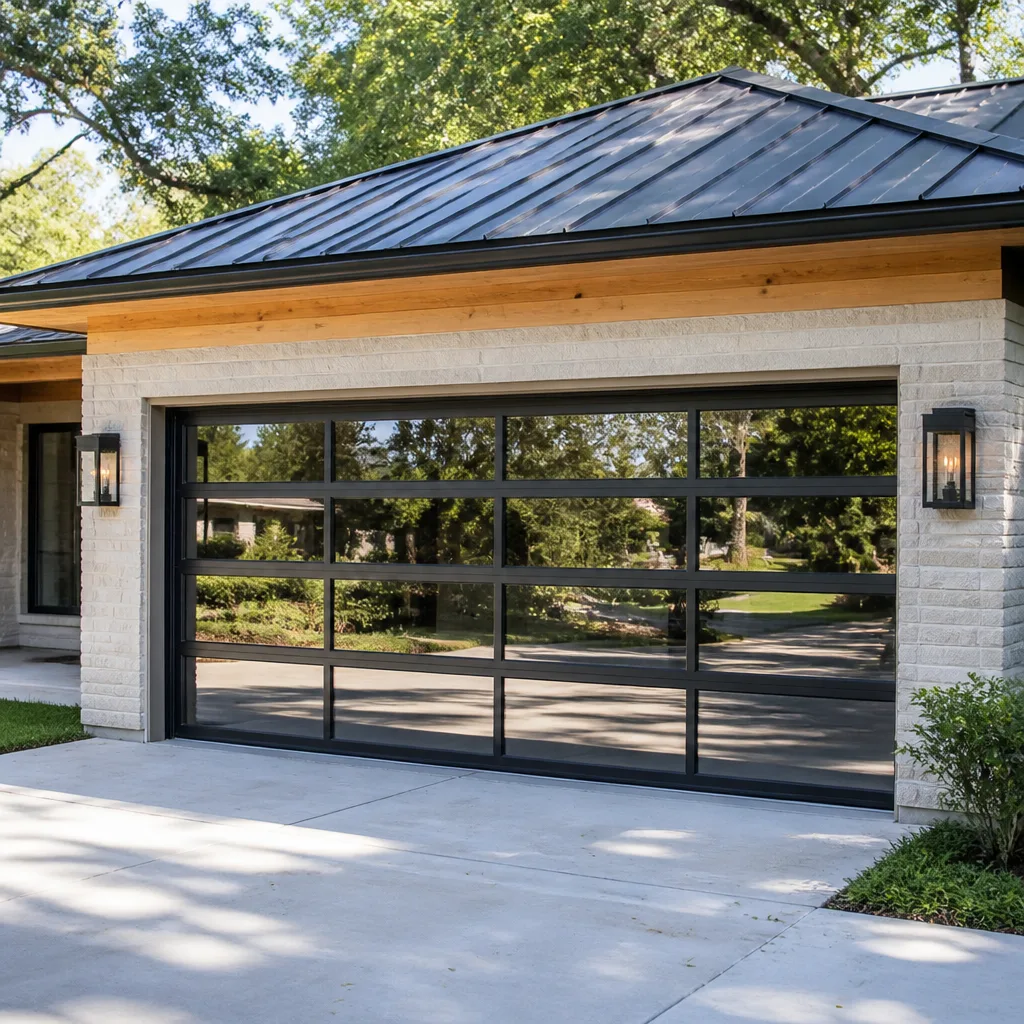 Full-view glass
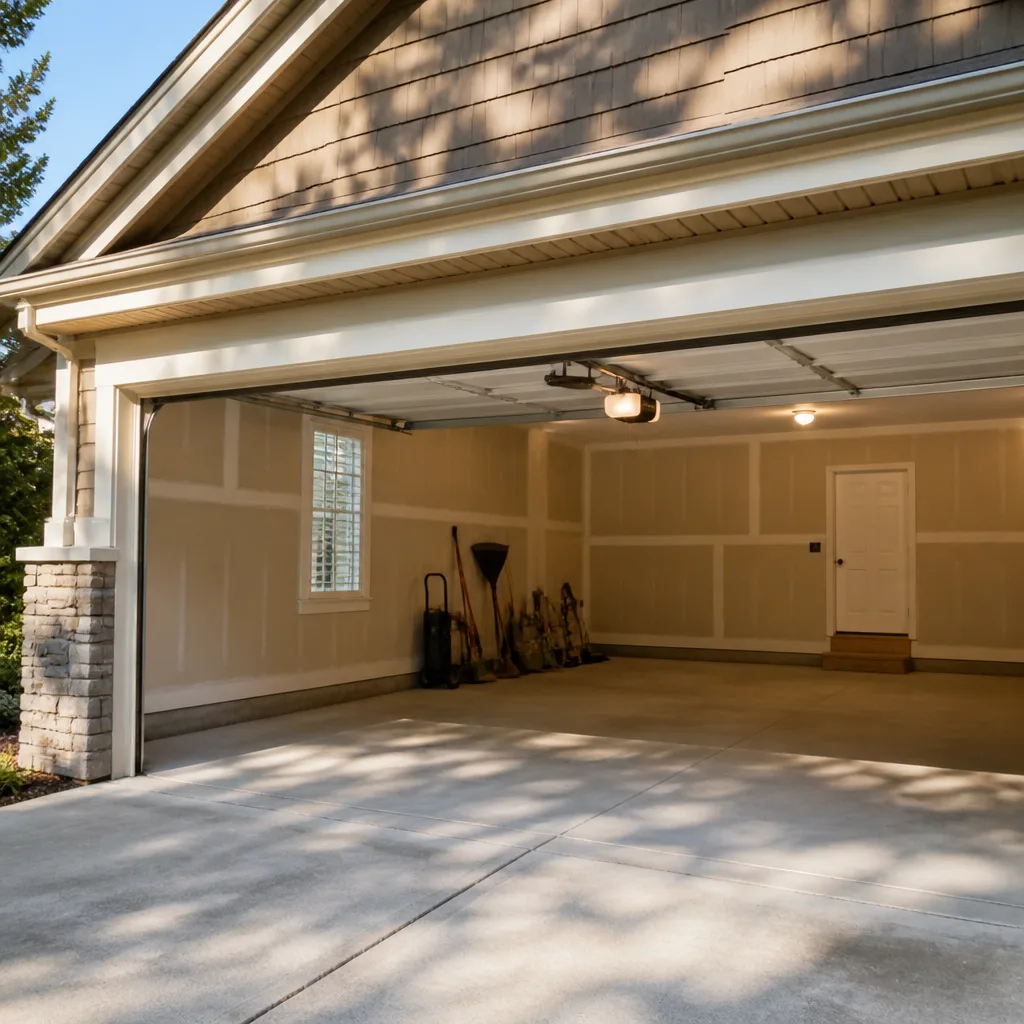 LiftMaster openers
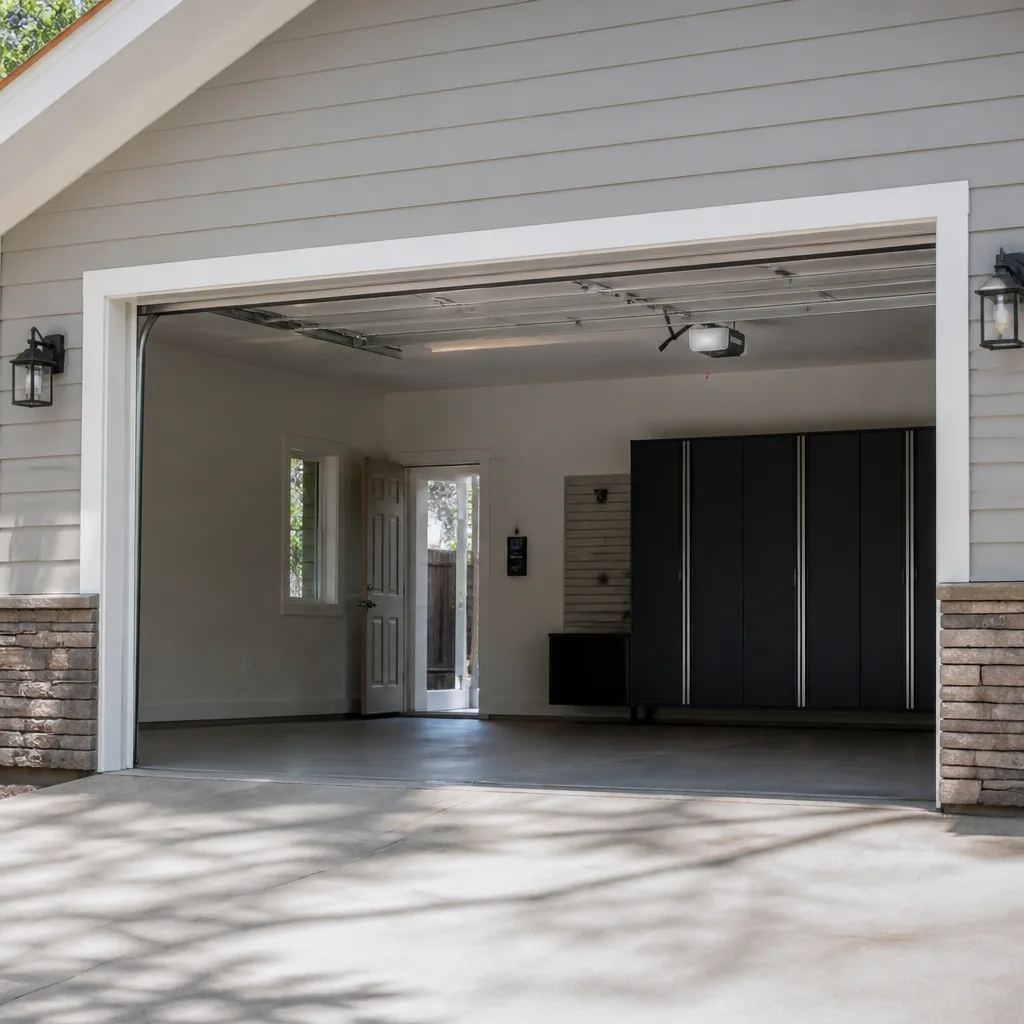 Chamberlain openers
Full 25-point door and opener safety check with every visit - springs, cables, rollers, tracks, and your LiftMaster or Chamberlain opener included
You get a price before we start. It does not change when the truck arrives.
Get your free estimateGarage Door Repair Maintenance Schedule: What to Do and When
A spring rated for 10,000 cycles sounds like it will outlast the house. Then you do the math. A typical Washington household opens and closes the garage door about 1,500 times a year, which puts that spring on a hard expiration date of roughly six to seven years no matter how carefully you treat it. That single number explains why “lubricate it every six months and hope” is not a maintenance schedule. It’s a guess. What follows is a condition-based schedule built on cycle counts, the two seasonal transitions that stress a door most in Washington, and the baseline measurements worth writing down so you can spot drift before it turns into a snapped cable.
Quick Answer
A garage door needs a light inspection and lubrication about every 6 months or 3,000 cycles, whichever comes first, plus a full mechanical check once a year. Predictable wear parts have known lifespans: springs last roughly 6 to 7 years at average use, steel rollers about 5 to 7 years, and cables should be inspected twice a year and replaced at the first sign of fraying. In Washington, the two dates worth circling are late March and late October, when temperature swings put the most stress on the whole system.
Styles & brands we work with
- Raised-panel steel
- Carriage house
- Modern flush
- Full-view glass
- LiftMaster openers
- Chamberlain openers
Table of Contents
- Why a Calendar Isn’t a Maintenance Schedule
- How to Calculate Your Door’s Real Cycle Count
- Component Replacement Windows: Springs, Rollers, Cables
- The Two Washington Seasonal Transitions That Matter
- What You Can Safely Do vs. What Needs a Technician
- What Lubrication Actually Means for Each Component
- Building a Written Maintenance Log
- Common Mistakes to Avoid
Why a Calendar Isn’t a Maintenance Schedule
A calendar-based schedule treats every door as identical. They aren’t. A two-car door on a house where someone works from home and leaves three times a day wears at a completely different rate than a single door on a garage that opens once in the morning and once at night. If you maintain both on the same “spring and fall” timetable, one gets serviced too often and the other gets ignored right up until something fails.
The better model is condition-based. You track three things: how many cycles your door has actually run, how old each wear component is, and what the door is telling you through sound, speed, and feel. Once you have those, the calendar becomes a backup reminder rather than the plan itself.
This matters more in Washington than people expect. Spring and fall here swing hard, sometimes twenty degrees within a day. A garage door is a tensioned mechanical system, and every temperature swing changes how the metal and the springs behave. A door that tracks cleanly in July can start rubbing in January without anything actually breaking. A condition-based schedule catches that drift. A calendar-based one waits for the noise to get loud enough to notice.
In our experience servicing doors across Washington, the failures we see most often aren’t sudden. They build over weeks: a roller that starts flat-spotting, a cable that frays one strand at a time, an opener that has to push a little harder every month. A schedule built around measurable conditions catches each of those while the repair is still small.
How to Calculate Your Door’s Real Cycle Count
One cycle is one full open and one full close. That’s the unit every spring, roller, and cable is rated in, so it’s the number your whole schedule should be built around. Most homeowners have never calculated theirs, and most of them are surprised by the result.
Here’s how to get a working estimate in five minutes:
- Count daily cycles per person. A typical commuter leaves and returns once, which is 2 cycles. Add a lunch trip, a school run, or a dog walk and it climbs fast.
- Add shared trips. Deliveries, errands run by a second driver, and any household member coming and going separately all count.
- Multiply by household members who drive. A household of three drivers with two cars often lands between 4 and 6 cycles a day.
- Multiply by 365. Four cycles a day is about 1,460 a year. Six is about 2,190.
- Add a margin for the door being left open and closed again, or opened partway and reversed. These partial cycles still wear the mechanism.
Once you have a yearly figure, divide the rated life of any component by it. A spring rated at 10,000 cycles on a door running 1,500 a year gives you a replacement window of about six to seven years. A heavy double door running 2,000 cycles a year is looking at five years. That’s the number to put on the log, not a vague “someday.”
If you don’t know your door’s exact rating, that’s normal. Most residential springs aren’t labeled anywhere a homeowner can see. A technician can identify the spring type and give you a realistic estimate during a service visit, and that estimate becomes the anchor for everything downstream: rollers, cables, and the opener’s own duty rating. If you’d like that baseline measured, our garage door repair team can identify the parts and hand you the numbers in writing.
Component Replacement Windows: Springs, Rollers, Cables
Every wear part on a garage door has a lifespan you can plan around. The trick is that they’re not all the same length, and replacing them in the wrong order wastes money. Here’s the general picture for a residential door in Washington running average household use.
| Component | Typical Service Life | What Fails First | Replace When |
|---|---|---|---|
| Torsion or extension springs | 6 to 7 years at 1,500 cycles/year | The spring itself, often on a cold morning | At the rated cycle count, or as a matched pair if one fails |
| Nylon or steel rollers | 5 to 7 years | Flat spots, cracked nylon, worn bearings | When the door gets noticeably louder or vibrates |
| Lift cables | Inspect twice a year; replace at first fray | Broken strands where the cable winds on the drum | Any visible fraying, kinking, or rust |
| Hinges | 10+ years with lubrication | Worn pin, loose plate | When the door starts squeaking at a hinge point |
| Bottom seal | 3 to 5 years | Cracks, hardening, gaps at the floor | When daylight or drafts get through |
| Opener drive gear and belt/chain | 8 to 12 years | Worn gear teeth, stretched belt | When the door jerks or the opener strains |
A few notes on that table. The spring figure is for one spring. Most doors have two and they’re replaced as a matched pair, so the parts cost roughly doubles at replacement time. That’s not an upsell, it’s how the system is designed; running one new spring against one old spring loads them unevenly and shortens the life of both.
Rollers are the part most homeowners overlook. A cheap steel roller that has flat-spotted will rattle the entire door, wear the hinges, and make the opener work harder. Nylon rollers run quieter and are common on newer doors from Clopay and Amarr, but they crack with age. If your door has gotten louder in the last two years, rollers are the first thing to inspect.
Cables rarely have a scheduled replacement date the way springs do. They’re inspected, not timed. That’s because cable failure is usually tied to a specific cause: a worn drum, a misaligned track, or the shock of a spring breaking. Two inspections a year catch it early.
The opener has its own schedule. Legacy units from Craftsman and Genie hold up well but the drive gear inside them wears after about a decade. Smart units from LiftMaster and Chamberlain have logic boards and Wi-Fi modules that can fail before the mechanical parts do. When the opener is struggling, it’s worth knowing whether to repair the drive or the electronics, which is exactly the kind of diagnosis our garage door opener repair specialists handle.
The Two Washington Seasonal Transitions That Matter
In Washington, the two dates that stress a garage door most are late March and late October. They follow the same logic: these are the weeks when outdoor temperatures swing hardest, and the whole door, track, and hardware expand and contract at different rates. If something is going to announce itself, it’s usually one of those two months.
Late March: The Spring Transition
As temperatures climb, metal expands. A track that was tight through winter can bind. A spring that sat through the cold with stiff grease starts to move differently. The specific checks worth doing in late March:
- Run the door fully open and closed twice and listen for new sounds, especially a scrape or rub at the tracks.
- Check the track alignment with a level; expanding metal sometimes pulls a bracket slightly out of line.
- Look at the bottom seal for cracking after winter, since a hard seal won’t compress to the floor properly.
- Test the safety reverse (more on this below) since the mechanism is temperature sensitive.
- Lubricate hinges, rollers, and the spring (never the track) with the right product for each.
Late October: The Cold Transition
The fall transition is the harder one. Metal contracts, and a spring that’s already near the end of its life is more likely to fail in cold weather than any other time. The checks are similar but the emphasis shifts:
- Test the door’s balance by disengaging the opener and lifting it halfway; it should hold with light effort. A door that drops means the spring is losing tension.
- Listen for a duller, heavier sound as the door moves; that’s usually dried-out lubrication in cold weather.
- Inspect the weather seal and bottom seal for gaps before winter drafts get in.
- Look closely at the lift cables for rust or fraying, since moisture lingers longer in cool weather.
- Check the opener’s force settings; a door that ran fine in summer may need slightly more assist in the cold, and the opener should be telling you that automatically.
These two windows aren’t the only times to inspect, but they’re the times when a small issue is easiest to catch before it becomes a repair. If you’d rather have a trained eye walk through it, we handle Washington homes throughout the year and can schedule a check in either window.
What You Can Safely Do vs. What Needs a Technician
There’s a real line here, and it’s worth being honest about where it sits. Some maintenance tasks are genuinely homeowner-safe. Others carry serious injury risk, and the difference isn’t about skill – it’s about stored mechanical energy.
Safe for Homeowners
- Visual inspection. Looking at springs, cables, rollers, and tracks from a safe standing distance is always safe.
- Lubrication. Applying the right lubricant to hinges, rollers, and the spring surface is safe when the door is closed and the opener is disengaged.
- Testing the safety reverse. Placing an object in the door’s path and watching it reverse is safe and important.
- Cleaning the tracks. Wiping them down with a rag is fine. Never lubricate them.
- Checking balance. Disengaging the opener and lifting the door by hand is safe as long as you stay clear of the springs and cables.
- Replacing the bottom seal. Usually manageable for a homeowner with basic tools.
Needs a Technician
- Anything involving the torsion spring or extension springs. These hold hundreds of pounds of stored tension. Releasing that energy incorrectly can cause serious injury. There is no safe homeowner method for adjusting or replacing a spring, and we strongly recommend against attempting it.
- Cable replacement or adjustment. Cables are under tension too, and a cable that snaps loose can whip. This is not a repair to try at home.
- Track realignment involving brackets. The brackets are anchored to the structure and hold the track’s alignment under load.
- Opener motor or gear replacement. Not dangerous if the power is off, but alignment errors can damage the door and the new parts.
- Hinge replacement on the high-tension points (the ones closest to the spring), which carry load.
The safety reasoning here is simple. A garage door’s springs and cables hold stored tension, and that stored energy is designed to lift a door that can weigh several hundred pounds. Released incorrectly, that energy goes somewhere, and whoever is nearby gets hurt. We’re not being cautious to sell a service – we’re being cautious because this is the one part of the system where a homeowner’s mistake causes real injuries.
What Lubrication Actually Means for Each Component
“Lubricate the garage door” is not one task. It’s six or seven tasks that each need a different product. Using the wrong one on a given part makes things worse, and the two biggest lubrication mistakes we see in Washington are applying oil or grease to the tracks and using WD-40 as a general-purpose solution.
The Right Product for the Right Part
- Torsion spring: White lithium grease or a dedicated garage door spring lubricant, applied sparingly to the coils. Never oil. Oil will attract grit and create a grinding paste.
- Extension springs: A light spray lubricant, sparingly. Full grease is unnecessary and collects dust.
- Rollers (steel): A drop of light oil or spray lubricant at the bearing. If the rollers are nylon, no lubricant is needed at all – nylon is self-lubricating and product will only attract dirt.
- Hinges: A drop of light oil or a dab of white lithium at each hinge point, worked in by opening and closing the door a few times.
- Track: Nothing. Ever. Tracks must stay clean and dry so the rollers can grip. Lubricating them causes the rollers to slide and wear unevenly, and it makes the door noticeably harder to control.
- Opener drive (chain or belt): Follow the manufacturer’s spec. LiftMaster and Chamberlain belts typically need no lubrication at all; chains usually call for a small amount of chain lubricant.
- Weather seals: A silicone spray keeps rubber supple and prevents cracking, especially relevant through Washington’s dry spells.
The pattern is: metal-to-metal contact gets a light lubricant, tracks stay dry, rubber gets silicone, and the whole job takes about ten minutes when you have the right products on hand. Once a year is generally enough for a lightly used door; twice a year is safer in Washington because of the temperature swings.
One more point about WD-40: it’s a light solvent product, not a long-term lubricant. Spraying it on hinges feels helpful for a week, then it dries and the noise comes back worse. Use it for what it’s designed for, and use a real lubricant for the door.
Building a Written Maintenance Log
A written log is the single highest-value thing you can add to your garage door maintenance. It turns vague impressions into measurable conditions, and it lets any technician walk into the job knowing the history. It also catches drift: the tiny changes that signal something is about to fail.
Here’s what to record, and how often to record it:
- Spring type and date of last replacement. Torsion or extension, single or pair, and the approximate date. If you don’t know the type, a technician can tell you during any service call.
- Travel time. Time how long it takes for the door to open fully from closed, in seconds. Changes here signal strain in the opener or the springs. Compare month to month.
- Reversal test result. Place a small object (a roll of paper towels works) in the door’s path and note whether the door returns cleanly. Every test is pass or fail; log the date and result.
- Balance test result. Disengage the opener, lift the door halfway, and let go. It should hold with light effort. Note any drift, upward or downward.
- Noise level. Subjective, but log it: quiet, slight rattle, loud rattle. You’ll notice a trend within a few months.
- Visual findings. Any fray on the cables, flat spots on the rollers, rust spots, or cracks in the seal. Describe them in plain language rather than trying to grade them.
- Date of last lubrication, and what you used. This is what makes “did I do this already?” a one-second question.
The log doesn’t need to be elaborate. A page in a notebook or a note file on your phone works fine. What matters is that the measurements are dated and consistent, so a change stands out. A door whose travel time has crept from 14 seconds to 18 seconds over four months is telling you something specific, and the log is what makes that visible.
If you’d like a starting point, ask any technician who services your door for the baseline numbers – spring type, measured cycle estimate, travel time, and opener model – and start the log with those. That’s the actual foundation of a maintenance plan that follows your door instead of the calendar.
Common Mistakes to Avoid
- Lubricating the tracks. It feels like the right thing to do, and it’s the fastest way to make the door unsteady. Tracks stay clean and dry.
- Replacing one spring of a pair. The old spring is fatigued, so the new one takes more of the load and both fail sooner. Springs are replaced as a matched pair, and both springs should be treated as a single wear item.
- Waiting for a loud noise. A door that screeches is already worn past its scheduled replacement window for at least one component. The maintenance plan exists so you never reach that point. Noise is the last signal, not the first.
- Using a general-purpose spray on every part. The right lubricant for hinges is the wrong one for the spring, and the right one for the spring is the wrong one for the tracks. Product per part matters.
- Ignoring the safety reverse test. This is the one test that has nothing to do with the door’s operation and everything to do with safety. It should pass every time, without exception.
- Adjusting spring tension yourself. This is the single most dangerous garage door task and the one most worth paying a technician for. The stored energy in a wound torsion spring is not something to learn on.
- Assuming a newer door doesn’t need maintenance. A door installed two years ago still has springs, rollers, and cables, all of which wear on the same schedule. Newer doors from Clopay or Wayne Dalton may be quieter, but the components under the skin age the same way.
See the difference
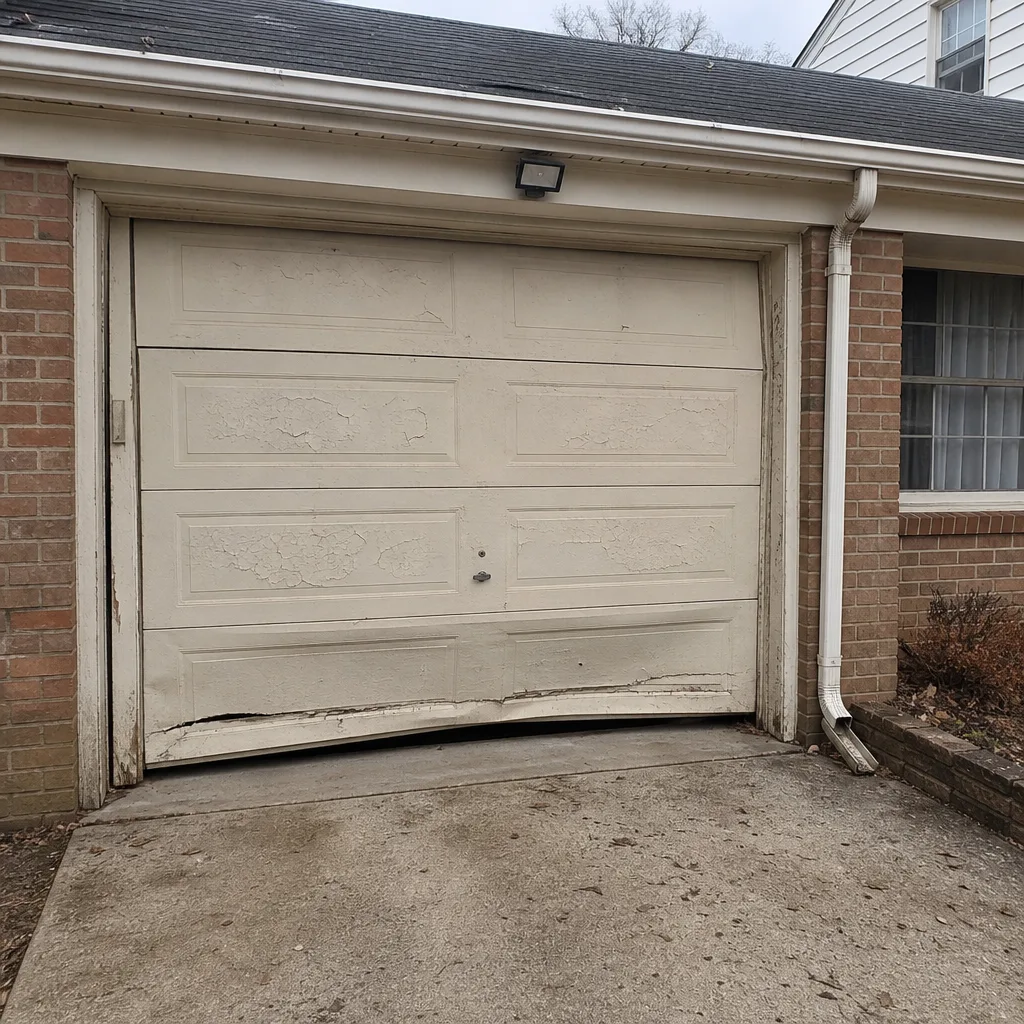 Before
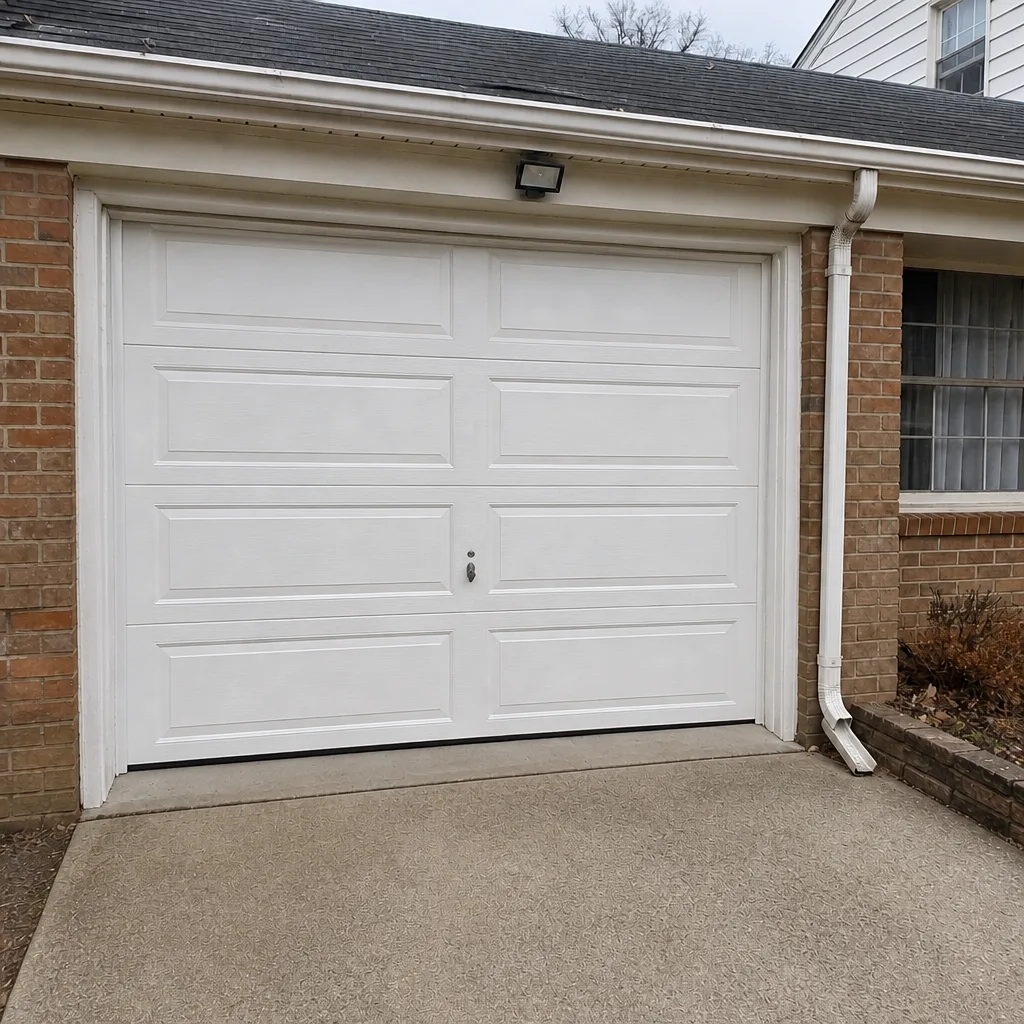 After
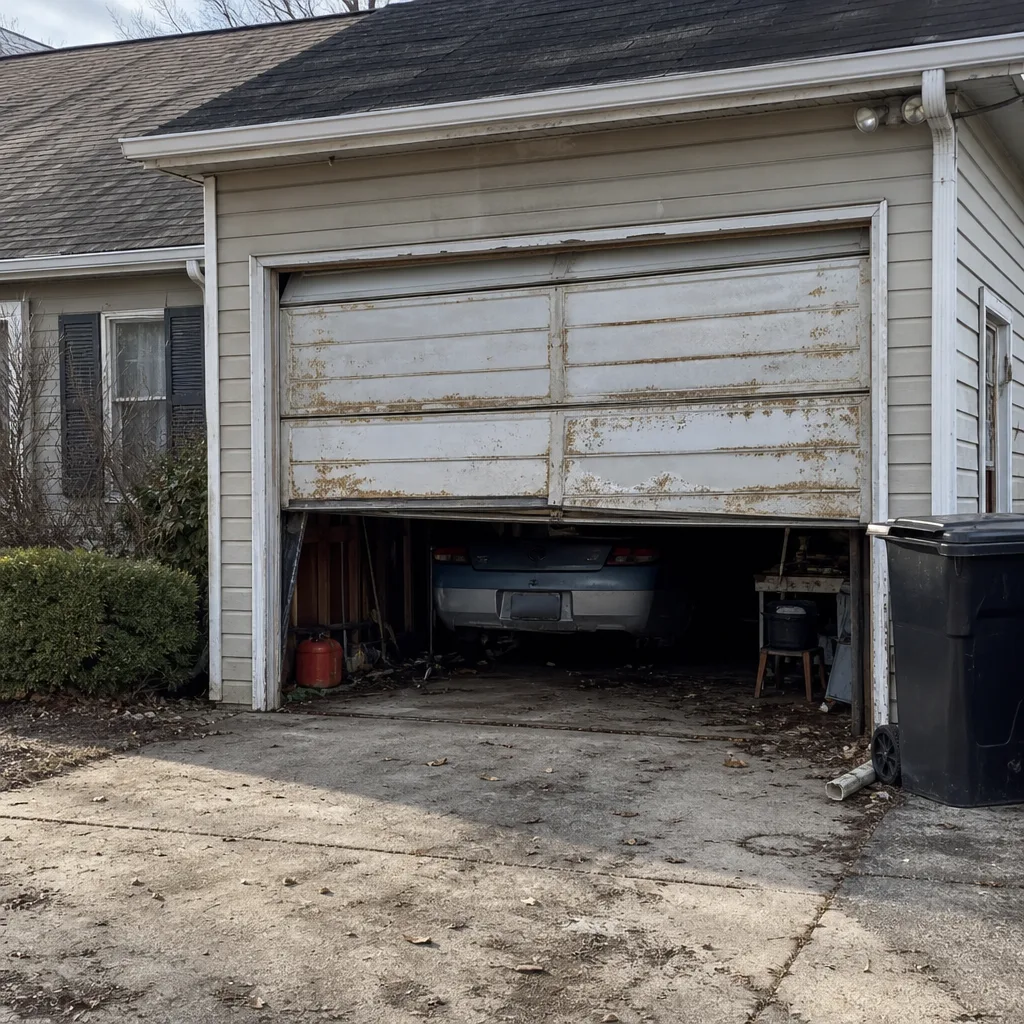 Before
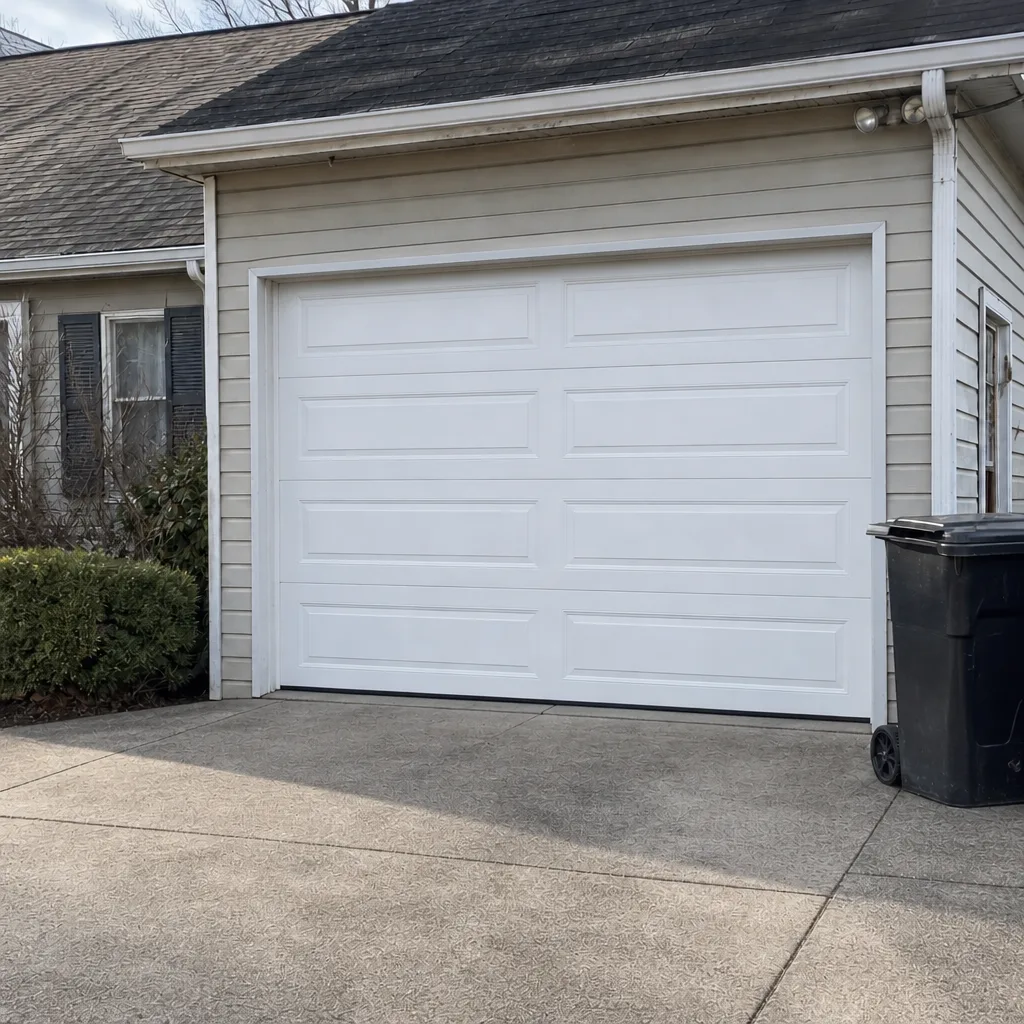 After
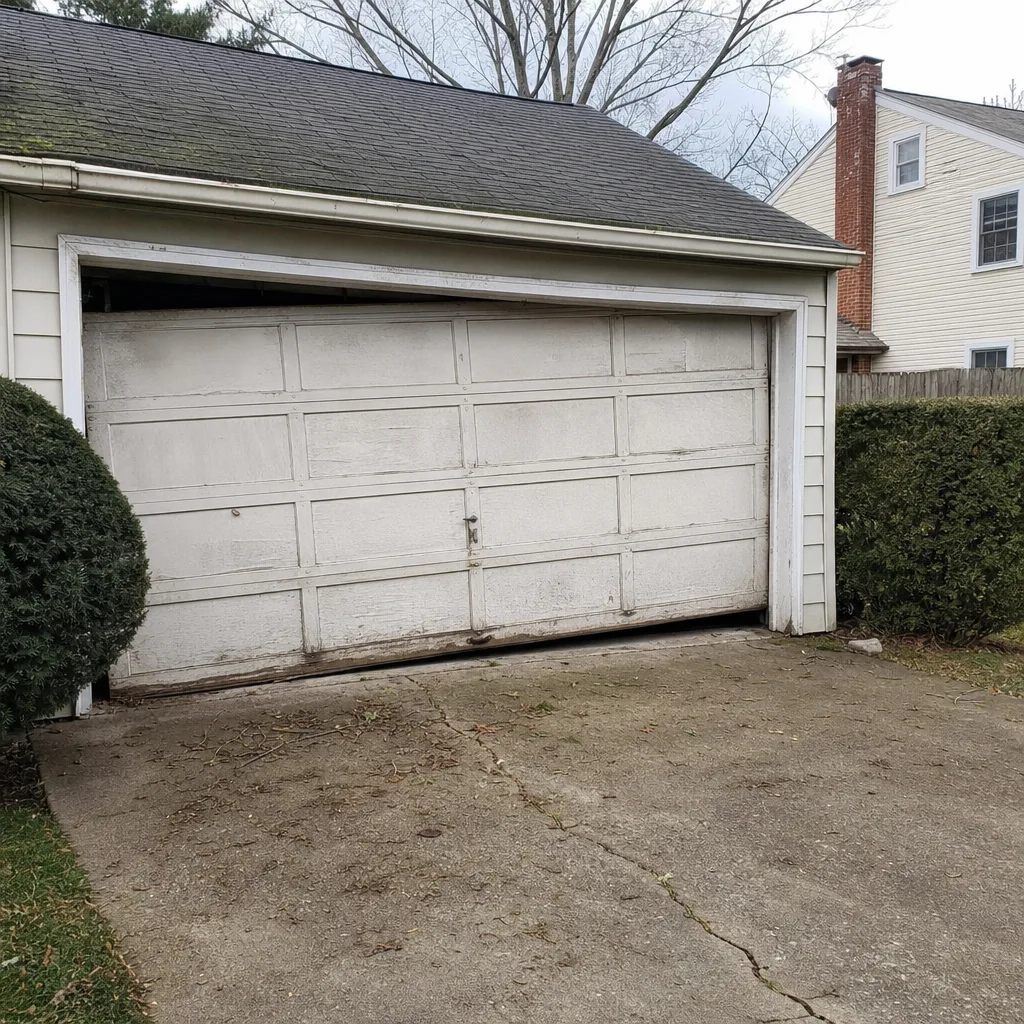 Before
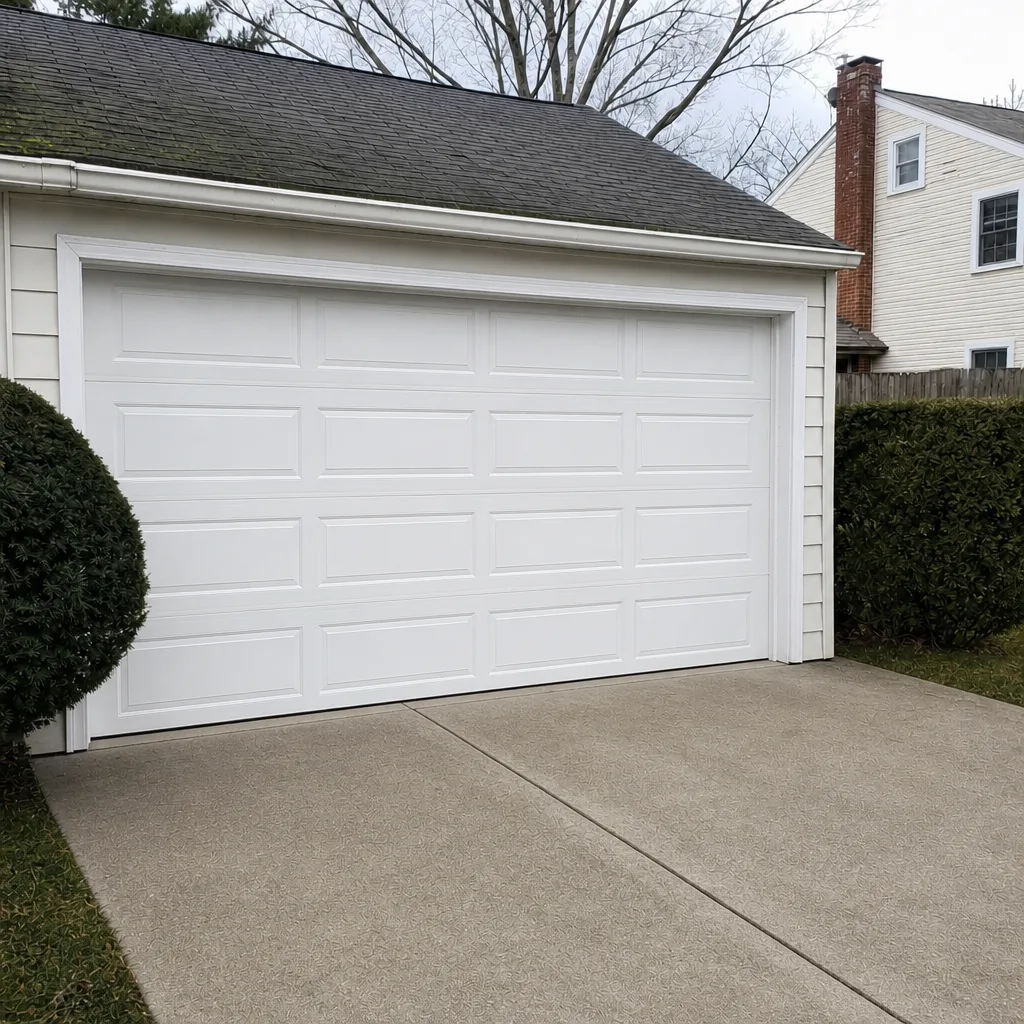 After
When to Call a Professional
Some situations don’t wait for a scheduled check. If the door won’t open or close, if you hear a loud bang from the garage, if the door hangs at an angle when it moves, or if you can see fraying on either cable, call a technician before running the door again. Those are signs that a component has already failed or is about to, and forcing the door through the motion tends to make the repair bigger. The same applies if the opener runs but the door doesn’t move, or if the safety reverse fails, which is a safety issue rather than a convenience one. Anything spring or cable related should be handled by a trained technician. Stratford Garage Door Service offers free estimates in Washington – call (844) 372-0752. We answer 24/7. Fast dispatch from 7am to 7pm, Sunday through Friday.
Frequently Asked Questions
About every 6 months or 3,000 cycles, whichever comes first, with a full mechanical inspection once a year. Washington’s temperature swings make the late March and late October windows the most important, since that’s when the door takes the most stress and small issues are easiest to catch. Call (844) 372-0752 for a free estimate on a full service visit – estimates are free.
Roughly 6 to 7 years at average household use of about 1,500 cycles a year, since most residential springs are rated for around 10,000 cycles. A door used more heavily will wear through them sooner. That lifespan is a mechanical rating, not an opinion; when a spring reaches its count, it’s due regardless of how well it was maintained. Call (844) 372-0752 for an assessment of your springs’ remaining life.
No. The torsion spring holds hundreds of pounds of stored tension, and releasing it incorrectly causes serious injury. There’s no safe homeowner method for this repair, and we strongly recommend calling a trained technician. We can assess the springs and quote the repair before any work starts. Call (844) 372-0752 for a free estimate.
Torsion springs mount above the door on a metal shaft and twist to lift the door; extension springs run along the horizontal tracks on each side and stretch. Torsion springs are common on newer doors from brands like Amarr and Clopay and are generally more reliable. Extension springs are found on older installations and have a slightly different wear pattern, but both are inspection items at every service. Call (844) 372-0752 if you’re not sure which type you have.
Yes, and it’s the cheapest form of insurance you can buy for a garage door. Two measured numbers, travel time and reversal test result, catch wear long before it becomes a failure. A log also makes diagnosis faster for any technician who works on the door, which saves you money on the repair itself. Call (844) 372-0752 to have baseline measurements taken – estimates are free.
No. The price is quoted and agreed before any work starts, so the written estimate is the price. If we find something during the visit that changes the scope, we stop and confirm it with you first. Call (844) 372-0752 for a free estimate – we answer 24/7, with fast dispatch from 7am to 7pm, Sunday through Friday.
The Bottom Line
The right maintenance schedule for a garage door isn’t a calendar. It’s a small set of measurable conditions: how many cycles your door actually runs, how old each wear component is, and what the door is telling you through sound, speed, and balance. Get those numbers, log them, check the door twice a year in late March and late October, and lubricate with the right product for each part rather than one product for the whole door. Springs and cables stay in technician territory, always. Everything else, a homeowner with a notebook and ten minutes can handle. That’s the whole system, and it’s what Stratford Garage Door Service builds into every service visit. Need a baseline or a repair? Call (844) 372-0752 for a free estimate. We answer 24/7. Fast dispatch from 7am to 7pm, Sunday through Friday. Visit Stratford Garage Door Service to see the full range of what we do.
Written by the team at Stratford Garage Door Service, serving Washington since 2015.